Animal Bites First Aid to Prevent Rabies
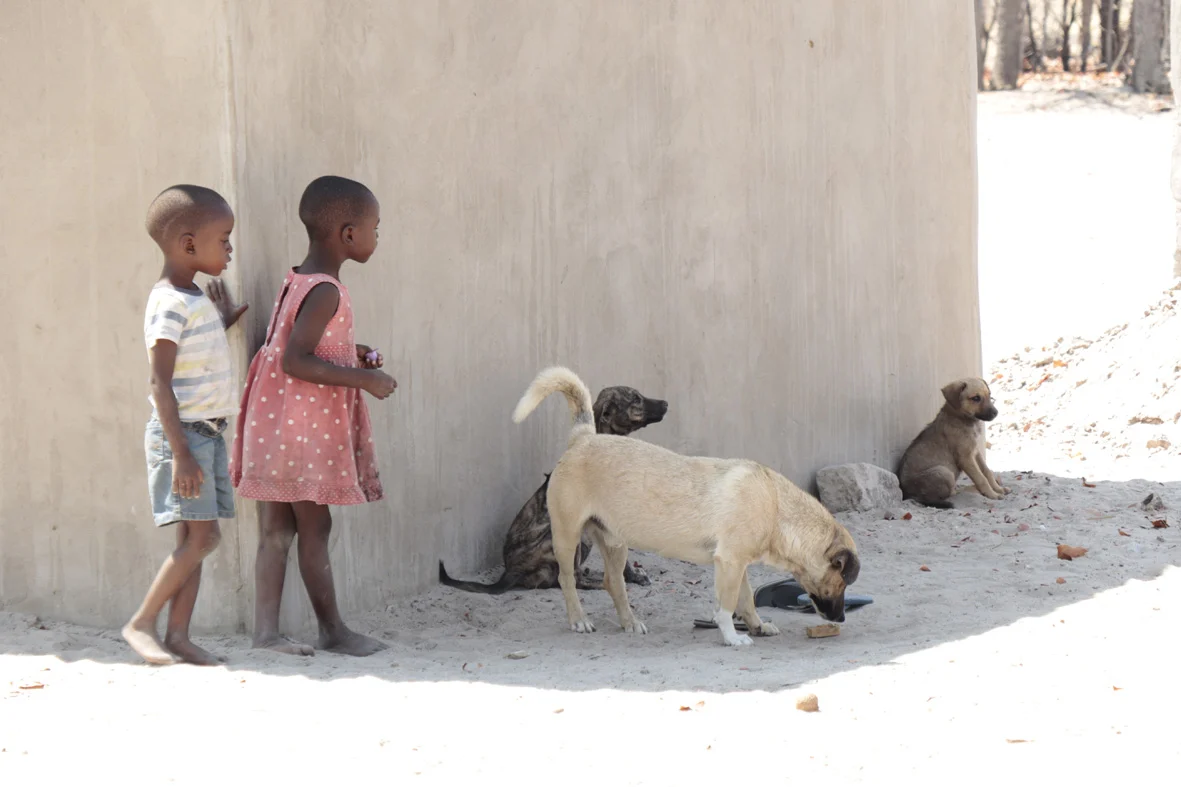
Animal bites, especially dog bites, should never be ignored. Even a small bite or scratch can lead to serious problems if not handled properly. One of the biggest dangers after an animal bite is rabies. Here we explains, in simple terms, what to do immediately after a dog bite or any animal bite to protect your life and health.
Why Animal Bites Are Dangerous
When an animal bites, germs from its mouth can enter the body through the broken skin. One of these germs can be the rabies virus. Rabies is deadly once signs start, but it can be stopped if the right steps are taken early.
Many people wait to see if the wound is serious or if the animal “looks fine.” This delay can cost a life. Every animal bite is an emergency until a health worker says it is safe.
Step 1: Wash the Wound Immediately
This is the most important first step and should be done right away.
-
Wash the bite or scratch with plenty of clean running water and soap
-
Do this for at least 15 minutes
-
If soap is not available, use clean water only and wash thoroughly
Washing the wound early can remove a large amount of the rabies virus before it enters the body.
Do not rush past this step. Many lives have been saved just by proper washing.

Step 2: Do Not Apply Harmful Substances
After washing, do not:
-
Put herbs, leaves, ash, soil, oil, salt, or chemicals on the wound
-
Burn the wound or tie it tightly
-
Suck the wound with your mouth
These practices do not stop rabies and can make the wound worse or cause infection.
If available, you may gently apply an antiseptic like iodine or alcohol after washing, but washing with soap and water is more important than anything else.
Step 3: Go to a Health Facility Immediately
After washing the wound, go to the nearest hospital, clinic, or health center immediately, even if:
-
The bite is small
-
There is no pain
-
The bleeding has stopped
-
The animal is known to you
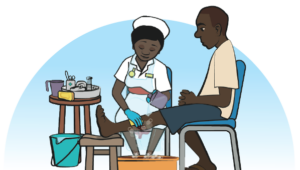
A health worker will:
-
Check the wound
-
Decide if you need anti-rabies injections
-
Start treatment that can stop rabies before it reaches the brain
These injections are very effective only if given early.
Step 4: Observe the Animal (Do Not Kill It)
If the animal is a dog or cat and can be safely observed:
-
Do not kill it immediately
-
Keep it under watch for 10 days, if possible
-
If the animal becomes sick, behaves strangely, or dies, report this to health workers at once
Do not try to handle or treat a strange or aggressive animal yourself.
If the animal runs away or is wild, still go to the health facility. Treatment should not wait.
Step 5: Take All Prescribed Treatment Seriously
If a health worker starts rabies prevention injections:
-
Take all doses exactly as instructed
-
Do not stop halfway, even if you feel fine
-
Do not replace hospital treatment with traditional remedies
Rabies prevention only works when the full treatment is completed.
Special Warning for Children
Children are at higher risk because:
-
They play with animals more
-
They may hide bites out of fear
-
Bites are often on the face, hands, or neck
Parents and caregivers should:
-
Check children for bite marks if they cry after playing with animals
-
Teach children not to tease or play with unfamiliar animals
-
Take any bite seriously, no matter how small
Key Things to Remember
-
Every dog bite or animal bite is an emergency
-
Wash the wound immediately with soap and water for 15 minutes
-
Do not apply harmful substances
-
Go to a health facility right away
-
Complete all medical treatment given
Rabies can be prevented, but only if action is taken early. Waiting is dangerous. READ MORE >>