Basic Asthma First Aid
.jpg)
Asthma can feel like a thief stealing the air from someone’s lungs. Whether you're a parent, friend, co-worker, or passerby—knowing how to help during an asthma attack can truly save a life. Let's break down what you should do, step by step.
Are you in an emergency situation right now? Skip ahead to the "Step-by-Step First Aid" section for quick actions you can take immediately.
What Is Asthma?
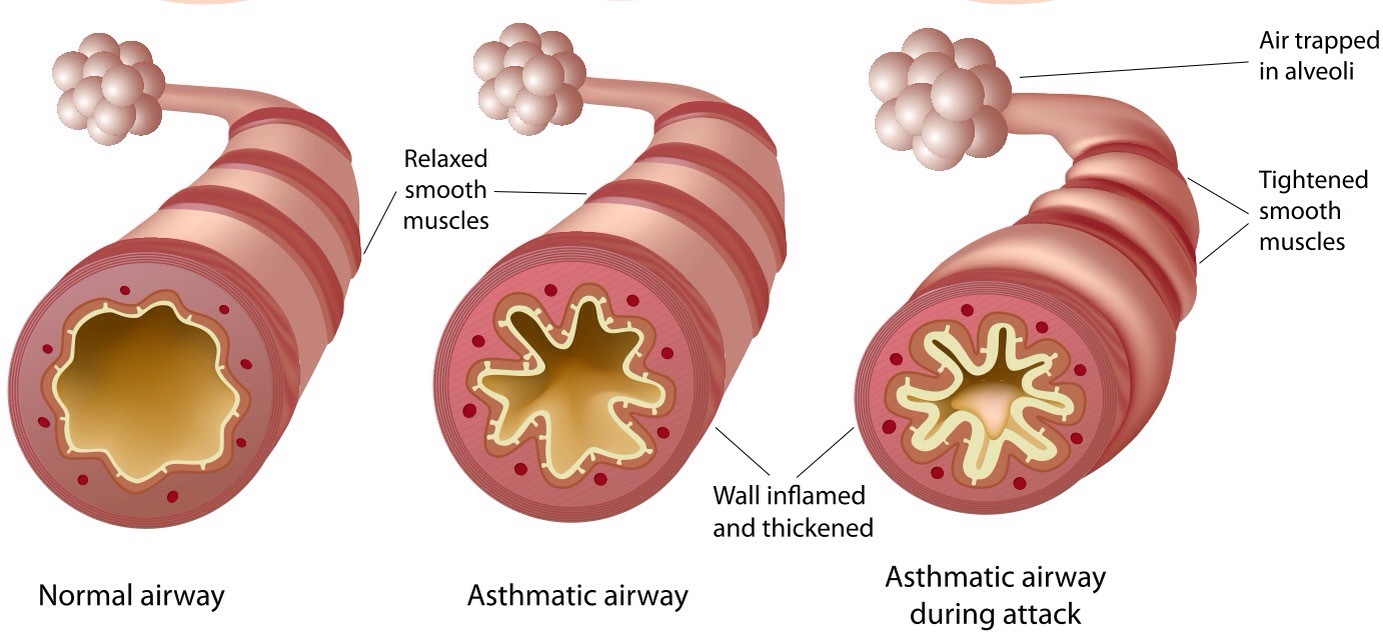
Asthma is a chronic condition where the airways in the lungs become inflamed and narrowed due to certain triggers. This can make it extremely difficult to breathe. During an asthma attack, the lining of the airways swells, the muscles around the airways tighten, and excess mucus is produced—creating a perfect storm of breathing difficulty.
Common Asthma Triggers
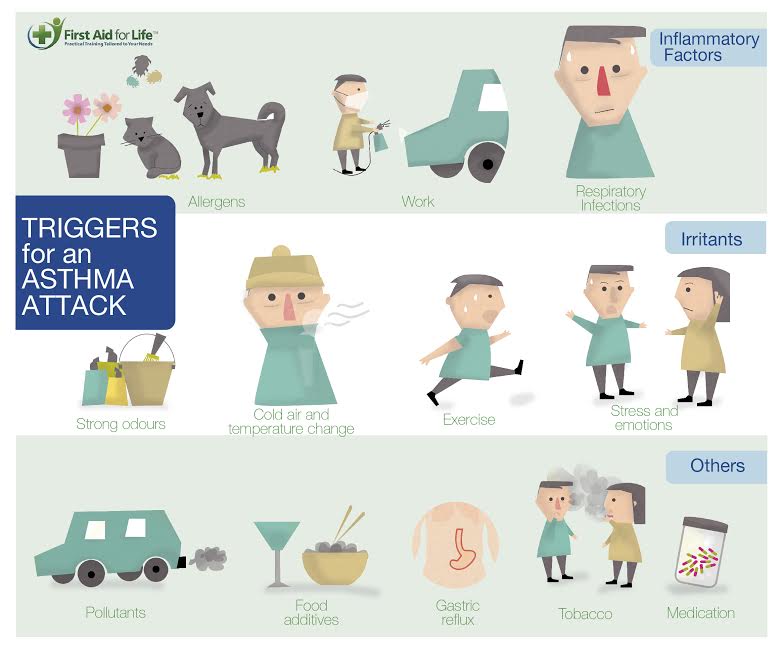
Knowing what can set off an asthma attack is key to prevention and fast response. Triggers include:
- Respiratory infections (like the common cold or flu)
- Physical activity (especially in cold air)
- Sudden weather changes or temperature extremes
- Dust, mold, pollen, or pet dander (allergens)
- Air pollution or smoke
- Strong smells or chemical fumes
- Stress or intense emotions
- Certain medications (e.g., NSAIDs like ibuprofen)
Step-by-Step First Aid
When someone is struggling to breathe, stay calm. Your calmness can help ease their panic.
Step 1: Scene Safety and First Impression
Make sure the environment is safe. Approach the person, observe their condition, and ask for consent to help. If you're trained and have personal protective equipment (PPE), put it on.
Step 2: Look for Warning Signs
Here are the most common signs of an asthma attack. Those marked with green background require immediate medical help:
- Wheezing or persistent coughing
- Trouble breathing or shortness of breath
- Rapid, shallow breathing*
- Inability to speak in full sentences
- Tightness in the chest
- The feeling of not getting enough air
- Bluish lips or fingertips*
- Anxiety or fear
- Sweating and fatigue
- Weak cry in children
Step 3: Call for Emergency Help
If the person shows any of the emergency symptoms or isn’t improving, call 911 immediately. If available, ask someone else to do this while you assist the person.
Step 4: Administer Asthma Medication
If You're Trained:
- Confirm the person’s prescribed quick-relief inhaler (usually a bronchodilator like albuterol).
- Shake the inhaler well and remove the cap.
- Attach a spacer if available (especially helpful for kids).
Instruct them to:
- Exhale completely.
- Seal their lips around the mouthpiece (or place face mask over mouth and nose for young children).
- Press down the inhaler and breathe in slowly and deeply.
- Hold the breath for 5–10 seconds (or take 5–6 normal breaths through a spacer).
Wait and observe.
If no improvement after 10–15 minutes and help hasn’t arrived, a second dose can be administered.
If You're Untrained:
- Help the person sit up straight—never lie them down.
- Confirm their medication.
- Shake the inhaler and give it to them.
- Encourage them to use it exactly as directed by their doctor.
- Stay with them and monitor their condition.
Important: Never use someone else’s inhaler or give medication unless it’s prescribed to the person experiencing the attack.
Helpful Tips While Waiting for Help
- Encourage the person to stay calm.
- Remove them from the trigger (e.g., smoky or dusty area).
- Loosen any tight clothing around the neck or chest.
- Keep the person warm but not overheated.
- Reassure them: "You're not alone. Help is coming."

Know When It’s More Than Asthma
Sometimes, a severe asthma attack can mimic other emergencies like anaphylaxis (a serious allergic reaction). If they’ve had exposure to a known allergen and are showing signs like swelling of the lips or tongue, vomiting, or collapse, treat it as anaphylaxis and use an epinephrine auto-injector if available, followed by asthma medicine.
Why Everyone Should Learn Asthma First Aid
With asthma affecting over 262 million people globally and causing more than 455,000 deaths annually (WHO), your ability to act in an emergency could be life-changing. First aid skills are not just for health professionals—they’re for everyone.
Know someone with asthma? Share this post. You might just save a life.