Bleeding Wound - First Aid
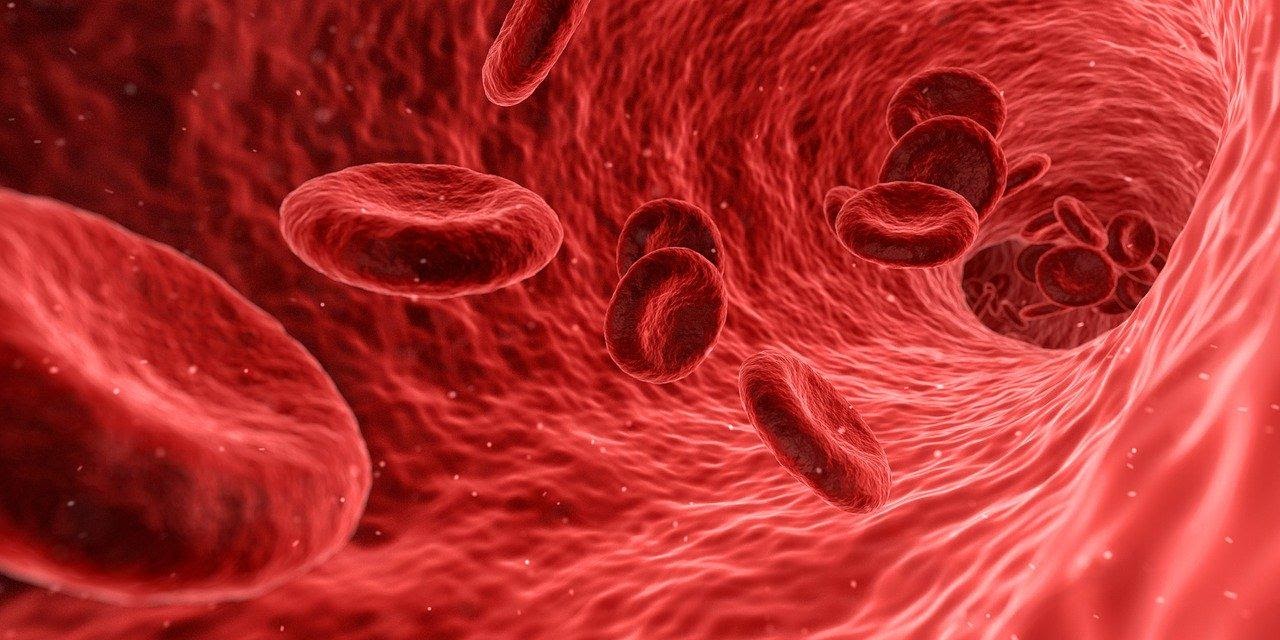
Bleeding, the loss of blood from the circulatory system, can vary in severity, from minor cuts to life-threatening injuries. Whether it’s external or internal, timely first aid is crucial in limiting blood loss and preventing complications until professional medical help arrives. Here's an essential guide to first aid steps and important things to remember when dealing with bleeding.
Where to Get Help
In an emergency, it’s vital to seek immediate medical assistance.
- Call the emergency services.
- Visit the Emergency Department of the nearest hospital.
- Contact your doctor for follow-up care.
Things to Remember
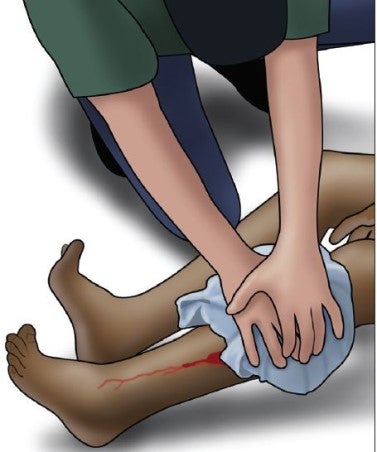
- Severe external bleeding: Apply direct pressure to the wound, use pads and bandages, and elevate the injured area above the heart level if possible.
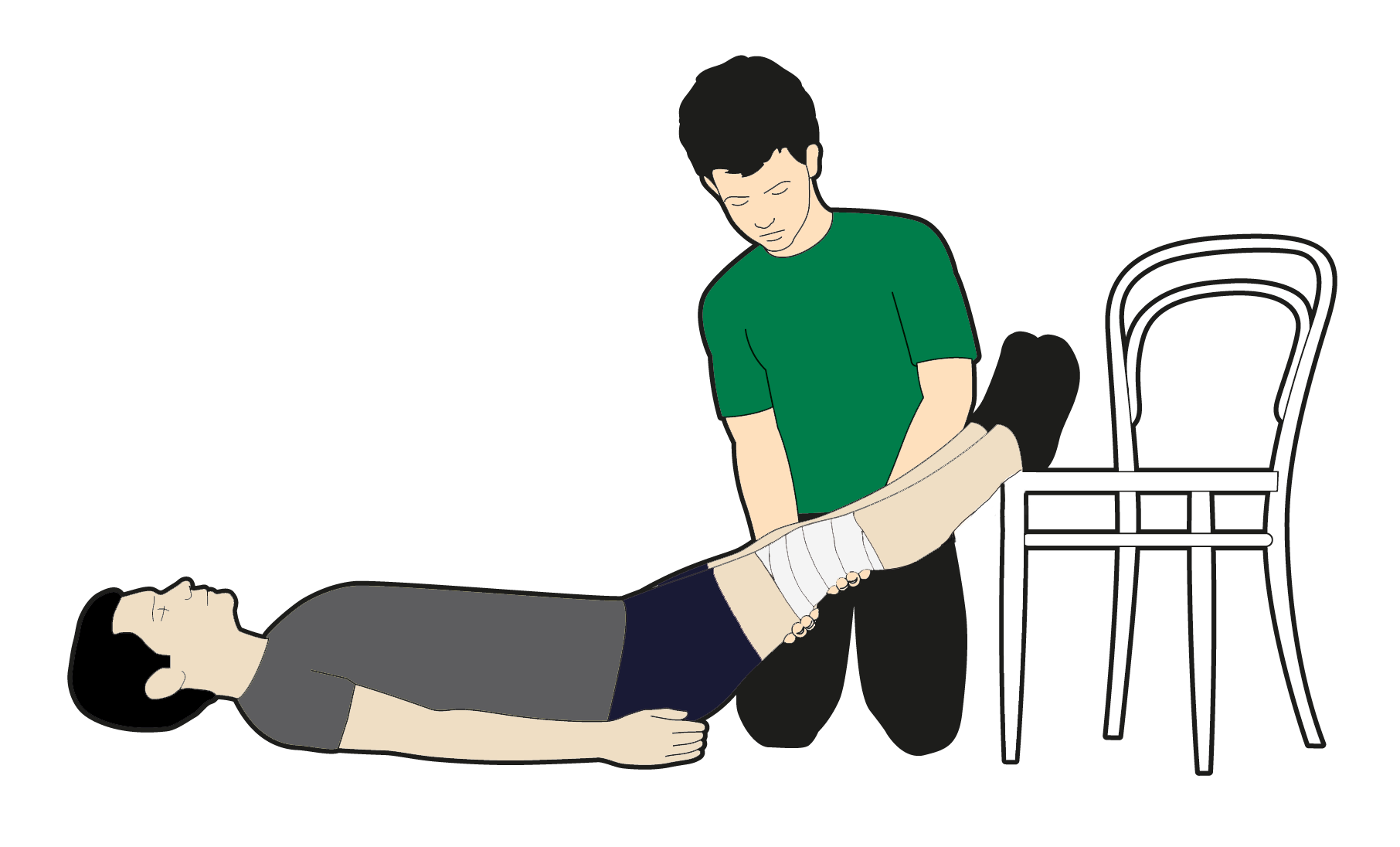
- Internal bleeding: Lay the person down, elevate their legs above the heart, and avoid giving them anything to eat or drink.
- Call emergency lines for help in any emergency situation.
Minor Bleeding
Small cuts and abrasions often don’t require urgent care but should be treated properly to avoid infection. First aid for minor bleeding includes:
- Clean the wound with sterile gauze or clean water.
- Apply an appropriate dressing, such as a band-aid or non-adhesive dressing, and secure it with hypoallergenic tape.
- Seek medical attention if dirt or foreign matter is present and can’t be removed easily.
- If it’s been more than five years since your last tetanus booster, see your doctor.
Nosebleeds
Nosebleeds are generally not severe, but they can be uncomfortable. Here's how to handle them:
- Sit the person upright and tilt their head forward to avoid swallowing blood.
- Pinch the nostrils shut for at least 10 minutes to stop the bleeding.
- If bleeding persists beyond 20 minutes, seek medical aid.

Severe External Bleeding
Even a seemingly minor injury can lead to severe bleeding, potentially causing shock. Shock is a life-threatening condition where the body doesn’t have enough blood circulating to vital organs. Here’s what to do in the event of severe external bleeding:
- Ensure safety by checking for any dangers before approaching the injured person.
- Call for help if possible.
- Lie the person down and raise the injured limb above the level of the heart if possible.
- Apply direct pressure on the wound using your hands or a cloth.
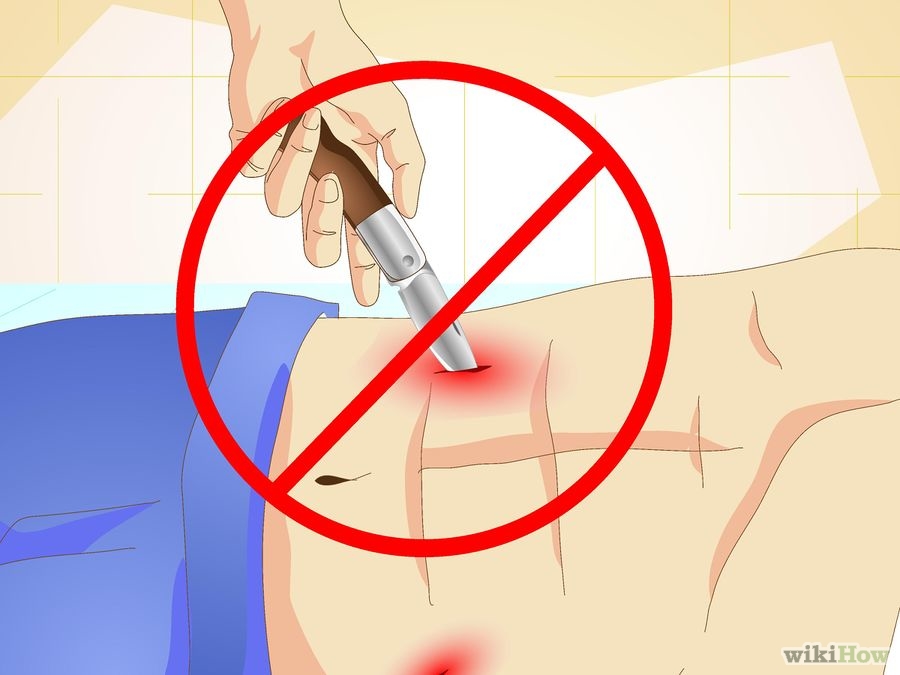
- Don’t remove embedded objects. Instead, apply pressure around the object.
- Avoid using a tourniquet unless advised by professionals.
- If the dressing becomes saturated, add more padding and continue applying pressure.
Internal Bleeding – Visible and Concealed
Internal bleeding can be serious and may not always be immediately visible. Common visible signs include:
- Bruising from blood vessels leaking under the skin.
- Bleeding from orifices such as the anus, ears, or nose.
Concealed internal bleeding is harder to detect and may include signs like:
- Pain, swelling, or tightness in the abdomen.
- Nausea, vomiting, and pale skin.
- Breathlessness or extreme thirst.
In cases of suspected internal bleeding, seek immediate medical attention. Symptoms like loss of consciousness, headache, confusion, and dizziness can be warning signs of concussion or other serious injuries.
First Aid for Internal Bleeding
- Seek/Call for medical help.
- Lay the person down, and keep them warm with a blanket.
- Raise the legs above the heart to increase blood flow to vital organs.
- Don’t give food or drink.
- Reassure the person and monitor their breathing. If they lose consciousness, turn them onto their side and check their airway regularly.
First Aid for Heavy Bleeding
When dealing with heavy bleeding, time is crucial. Follow these steps:
- Apply pressure to the wound to slow down the bleeding.
- Call 999 emergency services in your region for help.
- Keep pressure on the wound until help arrives.
For children, the first aid steps are generally the same, but ensure you provide reassurance and comfort to avoid them becoming too distressed.
FAQs About Bleeding First Aid
1. What should I do if the blood soaks through the bandage? Replace the soaked bandage with a fresh one while maintaining pressure on the wound.
2. Can I remove an embedded object from a wound? No, don’t remove the object; it may help prevent further blood loss.
3. Should I wash a bleeding wound? Avoid washing heavily bleeding wounds, as it may worsen the bleeding. For minor cuts, wash gently with water and soap.
Final Note
When dealing with bleeding, quick and appropriate action can make the difference between life and death. Whether it’s a minor cut or severe bleeding, remember to apply pressure, call for help, and monitor the person’s condition closely. By following these essential first aid steps, you can help prevent further harm and ensure the person gets the medical attention they need as soon as possible.