Breast Cancer Awareness: Knowledge, Courage, and Early Action
Breast cancer is not just a medical condition — it’s a story that touches families, friends, and communities. Across Africa and the world, millions of women — and even some men — face it every year. Yet, with the right knowledge, early detection, and support, breast cancer doesn’t have to mean despair. It can mean hope, strength, and survival.
What Is Breast Cancer?
Your breasts are made up of fatty tissue, milk glands, and small tubes that carry milk. Sometimes, some of these cells begin to grow uncontrollably, forming a lump or a tumor. This could be breast cancer.
Not all lumps are cancerous — some are harmless. But any new lump, swelling, or change in your breast should always be checked by a doctor. Cancer can spread (or “metastasize”) to other parts of the body if not treated early, which is why early detection is so critical.
How Common Is It?
According to the World Health Organization (WHO), breast cancer is the most common cancer in the world, affecting over 2.3 million women each year. In Africa, the numbers are rising — partly because people are living longer and lifestyles are changing.
In Ghana, Nigeria, Kenya, South Africa, and many other countries, breast cancer has become one of the leading causes of cancer-related deaths among women. However, many of these deaths could be prevented with early diagnosis and access to proper treatment.
Who Is at Risk?
Anyone can get breast cancer, but some factors increase the risk. Knowing them helps you stay alert — not fearful, just aware.
-
Age: The risk increases as we get older, especially after 40.
-
Family history: If your mother, sister, or daughter had breast cancer, your own risk may be higher.
-
Genetics: Certain inherited genes (like BRCA1 and BRCA2) can increase risk, but they’re not common.
-
Hormonal and reproductive factors: Early menstruation (before age 12), late menopause, not having children, or having the first child after 30 slightly increase risk.
-
Lifestyle factors: Being overweight, lack of exercise, smoking, and heavy alcohol use can all raise the risk.
-
Radiation exposure or previous chest treatments can also play a role.
It’s important to note that having risk factors doesn’t mean you will get breast cancer, and many people diagnosed have no known risk factors. Awareness is power — it helps you take control of what you can.
Warning Signs You Should Never Ignore
Many women first notice a lump in the breast, but there are other warning signs too:
-
A lump or thickening in the breast or underarm
-
Changes in breast size or shape
-
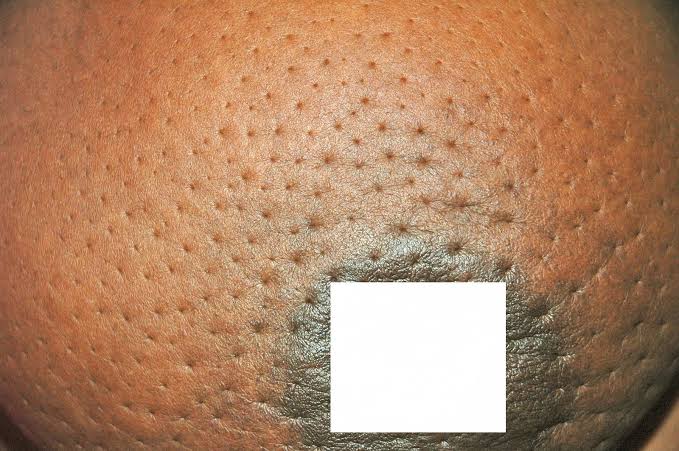
Dimpling or puckering of the skin (like an orange peel)
-
Nipple changes — such as inversion, discharge, or scaling
-
Redness, swelling, or pain that doesn’t go away
These signs don’t always mean cancer, but they should always be checked by a healthcare professional.
Why Early Detection Saves Lives
Early detection is the key to surviving breast cancer. When found early, treatment is simpler, less expensive, and more likely to succeed.
There are three main ways to detect breast cancer early:
-
Breast Self-Examination (BSE): Every woman should know how her breasts normally feel. Check once a month — a few days after your period — by gently pressing around the breast and armpit. If you notice something unusual, don’t panic; just see a doctor.
-
Clinical Breast Examination (CBE): This is when a trained health worker examines your breasts. It should be part of regular check-ups, especially for women over 30.
-
Mammography: This is an X-ray of the breast that can find lumps too small to feel. It’s recommended for women over 40 (earlier if there’s family history). Unfortunately, mammogram machines are not yet widely available across Africa, but community programs and NGOs are helping to close that gap.
Challenges in the Fight Against Breast Cancer
Despite progress, many countries still face serious barriers in the fight against breast cancer.
-
Late presentation: Many women only seek help when the cancer is already advanced — often because they didn’t know the symptoms or feared the diagnosis.
-
Limited access to screening and treatment: Mammography centers and oncology specialists are still scarce in rural areas.
-
Cultural stigma and myths: Some people believe breast cancer is a curse, punishment, or contagious. Others think only older or wealthy women get it — all untrue.
-
Financial burden: Even when treatment is available, it can be expensive and emotionally draining for families.
We need more community education, open conversations, and government investment to change this story.
Breaking the Myths
Let’s set the record straight on a few common myths:
-
“Breast cancer is a curse.”
No — it’s a medical condition, not spiritual punishment. Science, not stigma, saves lives. -
“Only older women get it.”
False — while it’s more common with age, younger women can also be affected. -
“If you feel no pain, it’s nothing.”
Wrong — early breast cancer often causes no pain at all. -
“Men can’t get breast cancer.”
They can, though it’s rare. Men should also check for lumps and report any changes.
Hope, Strength, and Support
A breast cancer diagnosis can feel devastating, but it’s not the end of the story. Across Africa, survivors are raising their voices, supporting others, and proving that early detection and proper treatment lead to survival.
Support networks — both in-person and online — can help patients and families cope emotionally and financially. Sharing stories, joining awareness walks, and supporting NGOs that offer free screening can make a real difference.
Here are some groups you can reach out to:
| Name | Location / Mode | What They Offer |
|---|---|---|
| Breast Society of Ghana (BSoG) | Ghana, Accra | Educational programs, helpline, emotional support & survivor stories. Visit↗️ |
| Safe Haven Cancer Support Centre | Ghana | Emotional and other supports for patients, survivors, and their families. Visit↗️ |
| Naomi Mikafui Breast Cancer Foundation | Ghana | Awareness, emotional & financial support, free screenings in some cases. Visit↗️ |
| Trust Hospital Breast Cancer Survivors Support Community | Ghana | Survivors’ community, sharing journeys, outreach & education. Visit↗️ |
| CANSA (Cancer Association of South Africa) | South Africa | Local support groups, online/WhatsApp groups, resources for caregivers. Visit↗️ |
| Queen B’s | KwaZulu-Natal, South Africa | Free access to resources, family and patient support, wellness education. Visit ↗️ |
| Reach for Recovery | South Africa | Peer support from survivors; also practical & emotional help. Visit↗️ |
| Aga Khan University Hospital (AKUH) Breast Cancer Support Group | Nairobi, Kenya | Peer support, workshops, coping strategies for patients & caregivers. Visit↗️ |
| MyBCTeam (online) | Virtual / Global | Connects people living with breast cancer; discussion boards, shared experiences. Visit↗️ |
| Breast Cancer Support Network (USA-based but virtual) | Virtual | Weekly/Monthly groups, mentorship from survivors, helps people worldwide. Visit↗️ |
What You Can Do Today
-
Check your breasts regularly.
-
Encourage your mother, sisters, and friends to do the same.
-
Visit a health facility for screening if you notice anything unusual.
-
Share accurate information. Help dispel myths and replace fear with knowledge.
Together, we can make breast cancer less frightening and more preventable.
Let’s build a culture where women (and men) feel safe to talk, check, and seek care early. Early detection is not just medical advice — it’s an act of love for yourself and your community.