Cervical Cancer In Simple Terms
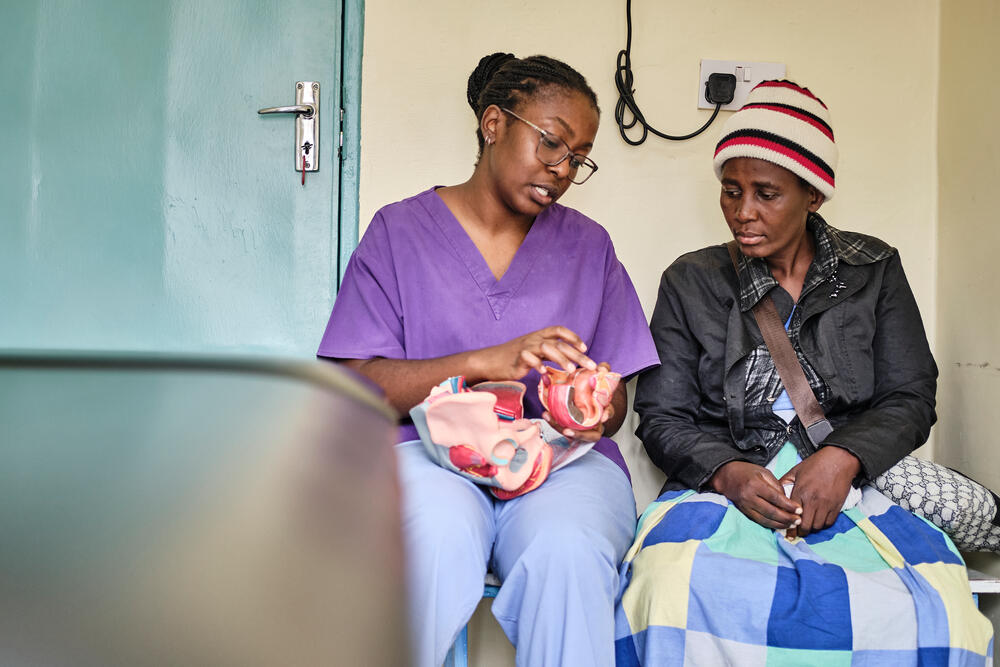
She felt fine—until she didn’t. No pain, no warning… just a routine checkup that changed everything. Cervical cancer doesn’t shout; it whispers—quietly, dangerously, and often undetected. What if one simple test could save a life? Maybe yours?
Did you know that a virus so common it affects nearly 80% of sexually active people could lead to a cancer that kills over 350,000 women every year? That’s HPV—and it’s not just a women’s issue. Whether you’re a man or a woman, HPV can impact your health or the health of someone you love.
What Is HPV, and How Does It Relate to Cervical Cancer?
HPV, or human papillomavirus, is a super common virus that spreads through sexual contact. In fact, most people who are sexually active will come across it at some point in their lives. Usually, your body fights it off without any trouble, and you might not even know you had it. But in some cases, certain types of HPV can stick around, and that’s when things can get tricky.
The good news? Cervical cancer usually takes years to develop, which means there’s plenty of time to catch and stop it if you know what to look for.
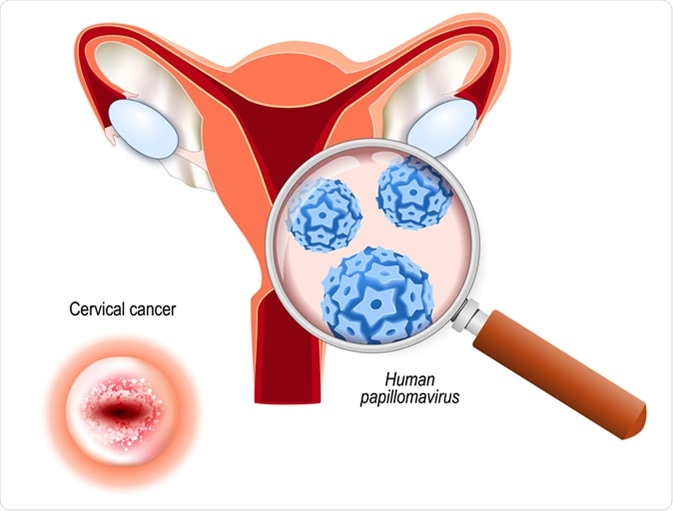
How Does HPV Spread?
HPV spreads through close contact, usually during sexual activity. This includes:
- Sexual intercourse
- Skin-to-skin contact in the genital area
- Contact with mucosal surfaces (like the lining of the vagina or mouth)
- Body fluids
What Increases Your Risk of Cervical Cancer?
While HPV is the main cause of cervical cancer, certain things can make you more likely to develop it if you have the virus. Here’s what to keep in mind:
- Starting sexual activity at a young age: The earlier you become sexually active, the higher your risk of getting HPV.
- Having multiple sexual partners: More partners can increase your chances of coming into contact with HPV.
- Having a high-risk partner: If your partner has had multiple partners, it can raise your risk too.
- Multiple births or early first birth: Having many children or having your first child at a young age can play a role.
- Smoking: Smoking makes it harder for your body to fight off HPV, increasing your risk.
- A weakened immune system: If your immune system isn’t strong—like if you’re living with HIV—you’re more likely to develop cervical cancer. In fact, women with HIV are 6 times more likely to get it.
- Long-term use of oral contraceptives: Using birth control pills for 5 years or more might slightly increase your risk if you have HPV.
- Low socioeconomic status: Limited access to healthcare and screening can make it harder to catch problems early.
On the flip side, using certain types of IUDs (like copper or levonorgestrel ones) might actually lower your risk, which is a nice bonus if you’re using one for birth control!
What Are the Signs of Cervical Cancer?
Here’s the tricky part: early on, cervical cancer often doesn’t cause any symptoms, which is why regular checkups are so important. But as it progresses, you might notice things like:
- Unusual vaginal bleeding, like bleeding between periods, after sex, or after menopause
- Heavier or longer periods than usual
- Watery or bloody vaginal discharge that might smell bad
- Pain in your pelvis or during sex
These symptoms don’t always mean cancer—they could be caused by other things—but if you notice any of them, it’s a good idea to check in with your doctor. Better safe than sorry, right?
How Can You Protect Yourself from Cervical Cancer?
The great news is that cervical cancer is one of the most preventable cancers out there! Here are some simple steps you can take to stay safe.
1. Get the HPV Vaccine
The HPV vaccine is a game-changer. It protects against the high-risk HPV types (like 16 and 18) that cause most cervical cancers. Vaccines like Gardasil and Cervarix are super effective, especially if you get them before you become sexually active—ideally between ages 9 and 14. If you’re older, you can still get vaccinated (it’s free in some places for people up to age 25), so ask your doctor if it’s right for you. Some countries even vaccinate boys to help lower HPV spread overall.
2. Go for Regular Screenings
Screening is like a safety net—it helps catch any problems before they turn into cancer.
- Start at the right age: For most women, screening begins at age 25 (or 30, depending on where you live). If you’re living with HIV, start at 25 since your risk is higher.
- How often: You’ll typically need a test every 3 to 5 years.
- What to expect: During a screening, your doctor or nurse might collect a sample from your cervix (it’s quick, though it might feel a bit uncomfortable). Or, you might be able to do a self-collection test, where you take a sample yourself in a private space at the clinic—super easy and less awkward!
If a test shows something unusual, your doctor might suggest a closer look with a colposcopy (a special exam to check your cervix) or a small procedure to remove any abnormal cells before they become cancer.
3. Practice Safe Habits
- Using condoms during sex (they don’t fully protect against HPV, but they help). With condoms you still have a risk of getting it due to potential of transmission of the virus through contact with external genital organs.
- Limiting your number of sexual partners
- Not smoking, since smoking makes it harder for your body to clear HPV
- Waiting to become sexually active until you’re older
- Stay Informed
Key Points to Remember
- HPV is a common virus that can lead to cervical cancer,.
- You can lower your risk by getting the HPV vaccine (best before you’re sexually active), going for regular screenings, and making safe choices like not smoking.
- Screening usually starts at age 25 or 30 and can catch problems early, often every 3 to 5 years.
- Watch for symptoms like unusual bleeding or pelvic pain, and see your doctor if something feels off.
- Cervical cancer is preventable, and global efforts are underway to eliminate it—so let’s stay proactive!
- How This Blog Was Crafted
Learning about HPV and cervical cancer empowers you to take charge of your health. Share what you know with friends and family—spreading awareness can help others stay safe too!