Childhood Solid Tumors

Childhood is supposed to be full of scraped knees, wild imaginations, and boundless energy. But sometimes, life throws a curveball that no parent sees coming. A child starts to tire easily. They wince when climbing stairs. A lump appears where none should be. And suddenly, everything changes.
Solid tumors in children aren’t common, but when they happen, they can shake a family’s entire world. These are not just medical conditions—they are stories of interrupted playtimes, postponed dreams, and brave little hearts facing battles far too early.
As parents, guardians, or simply people who care, it’s important to recognize the signs—because early action can make all the difference. This guide breaks down the types of solid tumors that can affect children, what to watch for, and why awareness isn’t about fear—it’s about being ready, informed, and hopeful.
General Warning Signs
While many symptoms can be attributed to common childhood illnesses, persistent or unusual signs warrant medical attention. Be alert for:
- Unexplained weight loss
- Persistent pain in bones or joints
- Lumps or masses anywhere on the body
- Frequent infections
- Unusual bruising or bleeding
- Persistent fatigue
- Changes in vision or eye appearance
Brain Tumors
Brain tumors are the most common solid tumors in children. Signs to watch for include:
- Persistent or worsening headaches, especially in the morning
- Nausea or vomiting not linked to other illnesses
- Balance issues, clumsiness, or difficulty walking
- Vision problems or eye movement abnormalities
- Unexplained fatigue or behavioral changes
Osteosarcoma (Bone Cancer)
Osteosarcoma is the most common type of bone cancer in children, often affecting the long bones. Symptoms include:
- Persistent bone pain, especially if it worsens at night
- Swelling or a noticeable lump over a bone
- Limping or difficulty using a limb
- Unexplained fractures
Retinoblastoma
Retinoblastoma is a rare eye cancer that typically affects children under five. Key signs are:
- A white reflection in the pupil, noticeable in photos (leukocoria)

- Crossed eyes or misaligned eyes (strabismus)
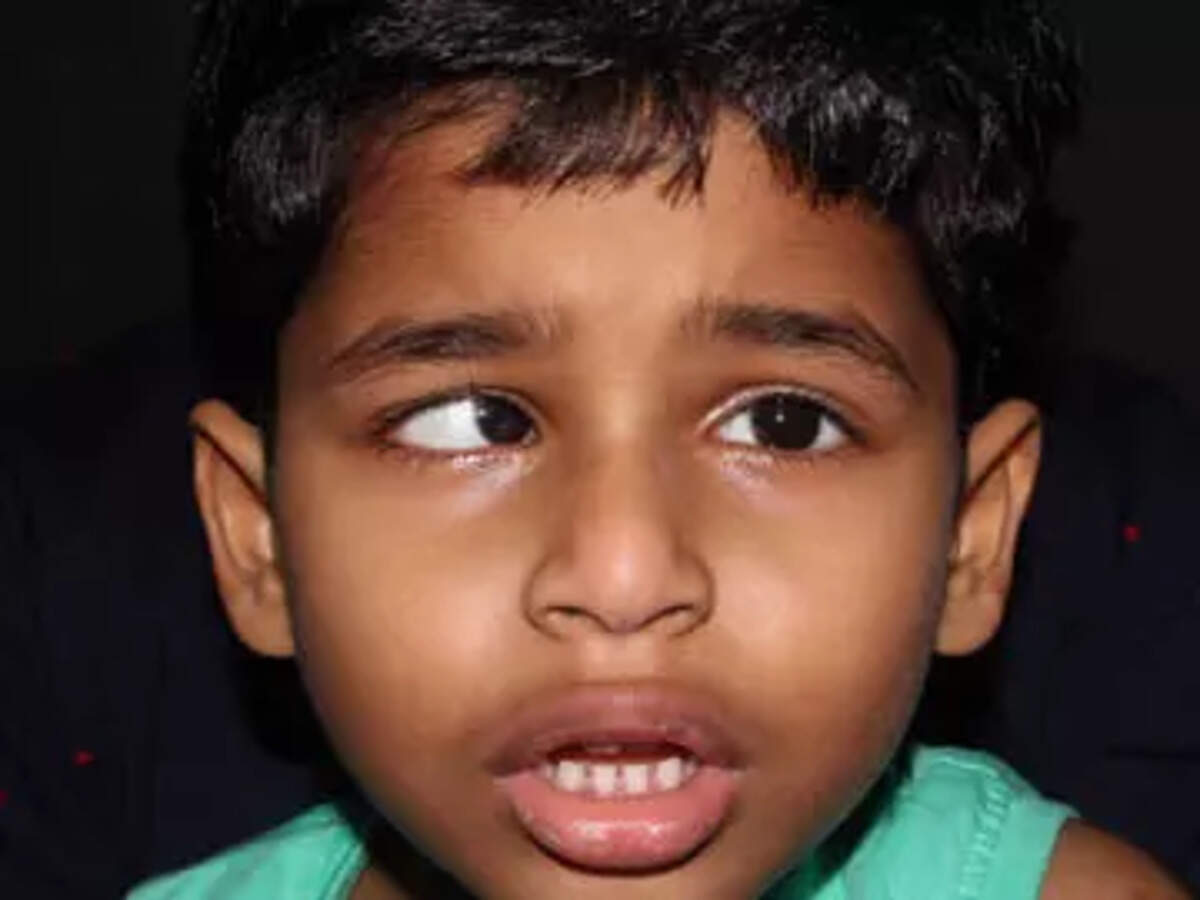
- Redness or swelling in the eye
- Vision problems
Neuroblastoma
Neuroblastoma commonly arises in the adrenal glands and affects children under five. Watch for:
- A firm, painless mass in the abdomen or neck
- Abdominal swelling or discomfort
- Unexplained weight loss or loss of appetite
- Fatigue or general malaise
Wilms Tumor (Kidney Cancer)
Wilms tumor is the most common kidney cancer in children, typically under age five. Signs include:
- A firm mass or swelling in the abdomen
- Abdominal pain
- Blood in the urine
- Fever or high blood pressure
Rhabdomyosarcoma
Rhabdomyosarcoma is a cancer of the soft tissues, such as muscles. Symptoms
- A lump or swelling that may or may not be painful
- Bleeding from the nose, vagina, or rectum if tumors are in these areas
- Eye bulging or vision changes if near the eye
- Urinary or bowel problems if in the pelvic region
Lymphomas
Lymphomas are cancers of the lymphatic system and are categorized mainly into Hodgkin and Non-Hodgkin types. Common signs include:
- Swollen lymph nodes, especially in the neck, armpit, or groin. Watch of for
- Unexplained weight loss
- Fever and night sweats
- Persistent fatigue
- Coughing or trouble breathing if lymph nodes in the chest are affected
Importance of Early Detection
Early detection of solid tumors in children significantly improves treatment outcomes. Regular pediatric check-ups and prompt attention to unusual symptoms are vital. If you notice any persistent or concerning signs in your child, consult a healthcare professional promptly.