Diabetes - What Everyone Should Know
Let’s talk about diabetes. Yes — that word we hear almost as often as we hear “password incorrect.” For many people, diabetes is part of daily life, whether it affects them directly or someone they care about. But here’s something you might not know: diabetes isn’t just one-size-fits-all. It comes in different types, like a confusing menu you didn’t ask for — and no, it doesn’t just mean someone ate too much cake.
Did you know, for example, that diabetes can even show up during pregnancy? Or that a brand-new type (Type 5!) was recently added to the list? It’s a constantly evolving topic, and staying informed is like giving your future self a high five.
And don’t worry — we’ll walk through it together, with facts, empathy, and a few chuckles to keep things light. So whether you’re here to understand the basics, explore lesser-known types, keep up with the latest breakthroughs, or just figure out what all the fuss is about — you’re in the right place.
What Exactly Is Diabetes? (Think: Sugar Without a Key)
At its core, diabetes is when your body struggles to manage sugar — not the candy kind, but glucose, your cells’ favorite fuel. The twist? Your body needs insulin, a kind of biological "key," to open the door and let sugar into your cells.
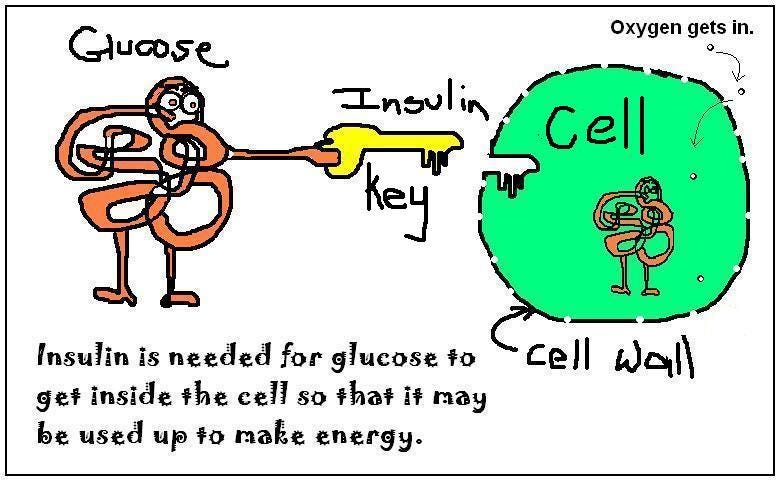
When diabetes steps in, one of two things happens:
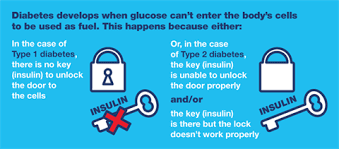
- Your body doesn’t make enough insulin (the keys are missing).
- The insulin you make doesn’t work well (the key is bent or stuck).
So sugar hangs out in your bloodstream like an awkward guest who won’t leave. And over time, high blood sugar can cause real damage — which is why managing it matters.
The Main Types of Diabetes
Type 1 Diabetes (T1D) - When Your Body Gets a Little Too Defensive
This is an autoimmune condition — your immune system gets overzealous and attacks the insulin-producing cells in your pancreas. It’s like friendly fire, but less friendly. Type 1 often shows up in children, teens, or young adults, but it can affect any age.
You’ll need insulin for life because your body simply isn’t making it. But here’s the important bit: it’s not your fault, and it has nothing to do with eating too much sugar.
Type 2 Diabetes (T2D) - The Common One That Sneaks Up on You
This is the most common type, and it's often linked to lifestyle and genetics. Think of your insulin like a Wi-Fi signal: sometimes it’s weak, sometimes your body ignores it altogether.
It mostly affects adults, but more and more kids are being diagnosed too. The good news? Type 2 is often preventable and manageable with lifestyle tweaks.
Gestational Diabetes - The Unexpected Pregnancy Plus-One
This one shows up during pregnancy, when hormones make insulin but not as effective -like a broken umbrella. It usually disappears after delivery, but it leaves behind a note saying, “I might be back,” since it increases future risk for Type 2 diabetes in both mom and baby.
Moral of the story? Prenatal screening isn’t just a formality — it’s a sugar-level reality check.
Type 5 Diabetes - The New Kid on the Block
No, we’re not making this up. Officially identified in 2025, Type 5 diabetes is linked to long-term malnutrition and is seen mostly in lean teenagers and young adults in regions facing food insecurity.
In this type, the pancreas becomes so undernourished, it stops producing insulin effectively. It’s a sobering reminder of how deeply nutrition and poverty are tied to health.
Common Diabetes Symptoms (aka Red Flags Your Body is Waving)
Whether it’s Type 1, 2, or one of the rarer ones, symptoms often overlap. If your body could text you, it might say:
- “Super thirsty. Again.” - You tend to drink a lot of water
- “Bathroom trips are now a full-time job.” - You urinate frequently
- “So tired I could sleep standing up.” - You become fatigued
- “Why is this wound taking forever to heal?” - Your wounds take longer than usual to heal
- “Why am I losing weight when I still eat like a goat?” - You lose weight despite eating a lot.
- “Things are blurry... did I forget my glasses?” - You might also get blurry vision
If you’re nodding to any of these, talk to a healthcare provider — not Dr. Google.
How Do I Know My Status? Get Screened!
- Type 2: Around age 35, or earlier if you’ve got risk factors like being overweight, a sedentary lifestyle, or a family history.
- Gestational: Pregnant? You’ll likely be screened between 24–28 weeks.

Managing & Treating Diabetes (You’re the Boss Now)
There’s no cure (yet), but diabetes management has come a long way — think high-tech gadgets, smart eating, and tailored meds. The goal is balance: keep your blood sugar in check, and you can absolutely live a vibrant, happy life.
Here's the general toolkit:
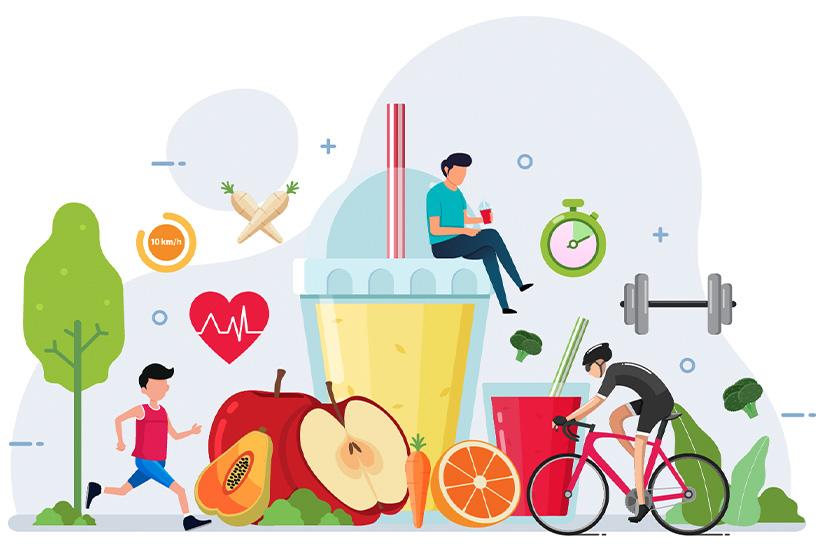
- Healthy Eating: Not a punishment — think delicious, balanced meals with color, crunch, and flavor (yes, even carbs).
- Exercise: Even a brisk walk counts. Bonus: it helps with mood and stress too.
- Medication:
- Insulin: Mandatory for Type 1, and sometimes for other types.
- Oral meds: Help boost insulin or reduce sugar absorption.
- Regular Checkups: Stay on track and adjust when needed.
Prevention
You can’t prevent every type of diabetes — Type 1 and some rare forms come uninvited. But you can reduce your risk of Type 2 and gestational diabetes with smart, doable choices:
- Eat Well: Your plate doesn’t have to look like a diet prison — just a bit more whole and colorful. Eat balanced diets. If you are not sure see a qualified dietician.
- Stay Active: Move like you love your future self. Avoid sedentary lifetyle.
- Lose a Little Weight: Even 5-10% makes a huge difference.
- Quit Smoking: For your blood vessels, your lungs… and basically everything.
Why Good Management Matters (Hint: It's Not Just About Sugar)
Unmanaged diabetes can quietly damage your body over time - dangerous and expensive. Here’s what’s at stake:
- Heart Disease & Stroke: Sugar overload strains your cardiovascular system.
- Kidney Damage: Sugar can clog the filters — not fun.
- Eye Problems: From blurry vision to blindness if ignored.
- Nerve Damage: Especially in the feet — a silent but serious risk.
Whether you’re newly diagnosed, helping someone you love, or just curious — you’ve already taken the first step by reading this far. Diabetes can be overwhelming, but it’s not a life sentence. With knowledge, support, and a few good habits, it’s 100% possible to live fully and well.
Remember, small changes lead to big wins. And if you ever feel stuck, your healthcare team is your backup squad — no judgment, just help.