Drug Addiction

Drug addiction doesn’t always start with a choice—it often starts with a moment. A little stress relief, curiosity, a bad influence, or even a prescription. Before long, what once felt like an escape becomes a cage.
Addiction isn’t just about substances; it’s about pain, patterns, and a longing to feel something different—or sometimes, to feel nothing at all. It touches people from all walks of life, quietly weaving its way through homes, schools, workplaces, and communities.
But here’s the truth: With the right support, recovery is not only possible—it’s powerful.
Let’s talk about it openly. Let’s break the silence. Let’s heal.
The Brain's Role in Addiction
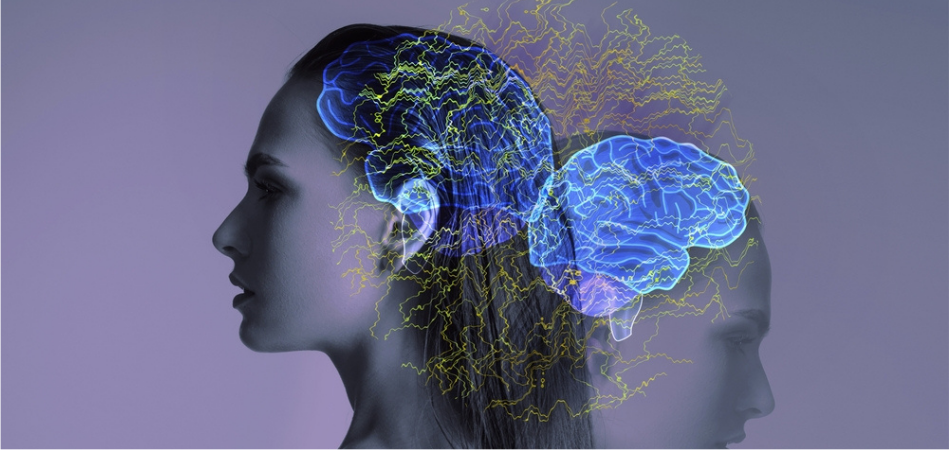
Addictive drugs target your brain’s reward system, flooding it with dopamine and creating intense pleasure. This makes you want to repeat the experience. Over time, your brain adapts, needing more of the drug for the same "high," and other enjoyable activities may lose their appeal. Long-term drug use can also alter other brain systems, affecting judgment, decision-making, memory, and learning, further driving the compulsive drug-seeking behavior.
Who is Most at Risk for Addiction?
While anyone can develop an addiction, certain factors can increase the risk.
- Family History: Genetics play a significant role; if parents or siblings have struggled with substance abuse, your risk is higher.
- Early Drug Use: Starting drug use at a young age can disrupt brain development, increasing the likelihood of addiction later in life.
- Mental Disorders: Untreated mental health conditions like depression, anxiety, or ADHD can lead individuals to self-medicate with drugs, increasing addiction risk. A history of trauma also elevates this risk.
- Troubled Relationships: Difficult family environments or a lack of close relationships can increase vulnerability.
- Peer Influence: Spending time with others who use drugs can encourage experimentation.
Signs of Addiction
If you're concerned about yourself or someone else, look for these warning signs:
- A strong urge to use the drug daily or multiple times a day.
- Using more of the drug or for longer periods than intended.
- Constantly having the drug with you, or buying it even if you can't afford it.
- Continued drug use despite problems at work, school, or in relationships.
- Spending more time alone and neglecting personal care or appearance.
- Engaging in risky behaviors like driving while high, stealing, or lying to get drugs.
- Spending most of your time obtaining, using, or recovering from the effects of the drug.
- Feeling sick (withdrawal symptoms) when trying to quit.
Most people who take pain medication exactly as prescribed by their doctor do not become addicted, even with long-term use. If you have a history of drug misuse or addiction in your family, it's wise to be cautious and communicate openly with your doctor about your concerns.
To Minimize the Risk of Pain Medicine Addiction
Take the drug exactly as prescribed.
Inform your doctor about any personal or family history of drug misuse or addiction. This helps them prescribe the most appropriate medications for you.
Remember, developing a tolerance to pain medication and needing higher doses for relief is a normal physiological response to long-term use and not necessarily a sign of addiction. However, if this becomes a concern, always talk to your doctor.
Don't Wait; Get Help Now
If drug use feels out of control or is causing problems in your life, please reach out to your doctor. Recovery from drug addiction takes time and effort, but it is possible. While there's no "cure," treatment can help you stop using drugs and stay drug-free. The most effective treatment often combines counseling, medication, or both. Your doctor can help determine the best plan for you.
Counseling, whether individual, family, or group therapy, can help you understand the roots of the addiction, recognize how drugs have affected your behavior, learn to manage personal problems, and develop strategies to avoid triggers (places, people, and situations where drugs are accessible).
Medications can help manage withdrawal symptoms and, for certain drugs, re-establish normal brain function and reduce cravings. If you have both a mental disorder and an addiction (a dual diagnosis), treating both conditions simultaneously is crucial for success. For severe addiction, hospital-based or residential treatment programs that combine housing and treatment services may be necessary.
Can Drug Use and Addiction Be Prevented?
Yes, drug use and addiction are preventable. Prevention programs involving families, schools, communities, and the media can significantly reduce drug use and addiction. These programs often include education and outreach to help people understand the risks associated with drug use.
Using drugs can profoundly affect your health, relationships, jobs, and education. Recognizing that you or someone close to you may have a problem is the vital first step toward seeking help and treatment. Drug dependence or addiction can be treated, and you don't have to face it alone.
In Case of Drug Overdose
A drug overdose occurs when a person takes more than the medically recommended dose, or when their body cannot process the drug fast enough, leading to unintended and harmful side effects. Overdoses can be accidental or intentional.
If you suspect you or someone you know is having a drug overdose, call the emergency lines for an ambulance immediately or quickly get them to the hospital if there is no easy access to ambulance services.
Overdose Signs and Symptoms Vary
| Drug Type | Common Overdose Signs |
|---|---|
| Opioids (e.g., tramadol, morphine, heroin) | Pinpoint pupils, slow breathing, unconsciousness |
| Stimulants (e.g., cocaine, amphetamines) | Agitation, rapid heart rate, high BP, seizures |
| Depressants (e.g., benzodiazepines, alcohol) | Drowsiness, confusion, respiratory depression |
| Hallucinogens | Hallucinations, paranoia, high body temp, panic |
| Inhalants | Confusion, nausea, dizziness, irregular heartbeat |
Resources and Support
1. Healthcare Providers (Doctors, Nurses, Psychiatrists)
-
Why: Medical professionals can offer diagnosis, detox assistance, referrals to rehab, and medications if needed.
-
Where: Local hospitals, clinics, mental health centers.
2. Mental Health Professionals (Psychologists, Therapists, Counselors)
-
Why: They help explore the root causes of addiction and offer coping strategies.
-
Where: Private practices, NGOs, schools, or faith-based centers.
3. Helplines and Support Hotlines
These offer confidential support and immediate help:
Africa-Based Examples
-
Ghana: Mental Health Ghana (SADAG)
-
Helpline: 0800678678
-
Website: mha-ghana
-
-
South Africa: South African Depression and Anxiety Group (SADAG)
-
Helpline: +27 800 567 567
-
Website: sadag.org
-
-
Nigeria: NDLEA (National Drug Law Enforcement Agency)
-
Offers counseling and referral services.
-
Website: ndlea.gov.ng
-
Global Support Hotlines:
-
WHO Mental Health Support: Check their country-specific programs.
-
International Narcotics Anonymous (NA):
-
Website: na.org → Search for meetings by region.
-
-
UNODC (UN Office on Drugs and Crime):
-
unodc.org offers global support tools and resources.
-
4. Addiction Treatment & Rehabilitation Centers
These centers offer structured programs (detox, therapy, group support).
-
Public or private rehabs exist in many countries.
-
Use Google Maps or ask a doctor for local referrals.
5. Faith-Based and Community Support Groups
-
Many churches, mosques, and local NGOs run outreach programs, group therapy, or support meetings.
-
Example: Celebrate Recovery (Christian-based recovery program) has international reach.
6. Peer Support Groups
-
Narcotics Anonymous (NA)
-
Alcoholics Anonymous (AA)
7. Online Therapy and Recovery Platforms
Ideal if local access is limited:
-
BetterHelp: Offers therapy worldwide.
-
Therapists Without Borders: Some work pro bono in underserved areas.
-
7 Cups: Free peer support and counseling options.
8. Family and Trusted Friends
-
Starting with someone safe and trusted can reduce shame and fear.
-
They can assist in finding professional help or act as emotional anchors.
Emergency Situations
-
If overdose or harm is imminent, call emergency services immediately.
-
Most countries have an ambulance or emergency line (like 112 or 999 or 919 or 911).
SHARE THIS POST AND SAVE A LIFE.
Someone out there needs it more than you know.