Essential First Aid for Burn Injury
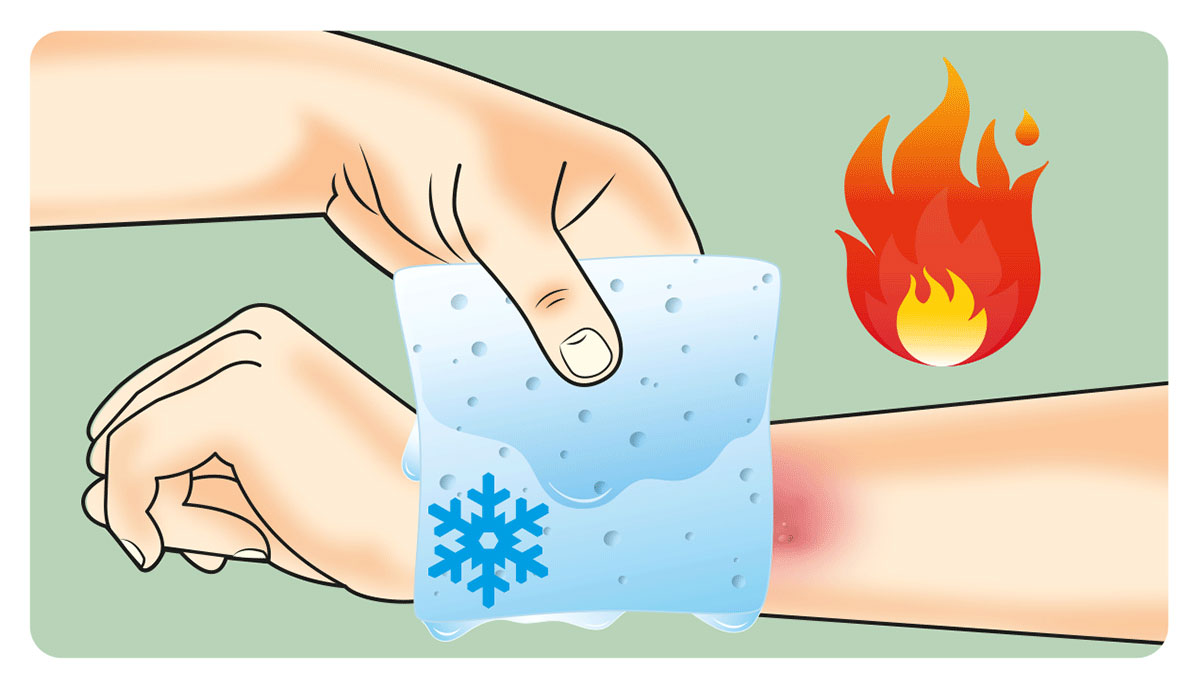
Few experiences are as immediately startling and painful as a burn. Whether it's a splash of hot coffee, an accidental touch of a hot stove, or a chemical spill, burns can range from a minor annoyance to a life-threatening emergency. Knowing what to do in those critical first moments can significantly impact the outcome, helping to reduce pain, minimize damage, and promote healing.
If you're dealing with an emergency right now, please scroll down to the "General First-Aid Steps for Burns" section for quick, practical help.
What is a Burn?
A burn is a type of traumatic injury to the skin, and sometimes the underlying tissues, caused by contact with various sources of extreme heat, chemicals, radiation (like from the sun), or electricity.
Types of Burns
Burns are typically classified by how deep they go into the skin.
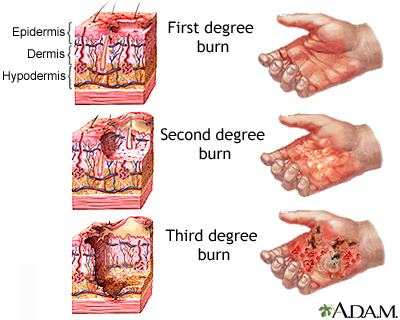
- Superficial Burns (First-Degree): These involve only the top layer of skin (the epidermis). They usually appear red, may be slightly swollen, and are often painful. Think of a typical sunburn.
- Partial-Thickness Burns (Second-Degree): These burns affect both the epidermis and the layer beneath it, the dermis (which contains blood vessels, nerves, hair follicles, and glands). They often look red or mottled, are extremely painful, and typically develop blisters that may ooze fluid.
- Full-Thickness Burns (Third-Degree): These are the most severe, involving both layers of skin and potentially extending into the fat, muscle, or even bone underneath. The skin may appear white, brown, black, or charred, and surprisingly, there might be little to no pain due to nerve damage.
Important Note: Any burn that is more than superficial usually requires medical care. Many severe burns are potentially life-threatening and need immediate emergency medical attention.
When to Seek Emergency Help (Call Your Local Emergency Number)
It's crucial to know when a burn requires immediate professional medical care. Call your local emergency number if:
- Burns that go through deep layers of skin, fat, muscle, or bone.
- Large body surface area burns (larger than about 3 inches or 8 centimeters in diameter, or bigger than the size of the affected person's hand).
- Burns to critical areas like the face, mouth, nose, hands, feet, joints, or groin/genitals.
- Electrical, chemical, radiation, or explosive burns.
- Burns in very young children or elderly individuals.
- Burns that encircle a limb, chest, or neck.
- If the skin appears dry, leathery, charred, or has patches of white, brown, or black.
- If there are any signs of smoke inhalation (e.g., coughing, sore throat, difficulty breathing, singed nasal hair, facial burns).
- If the person shows signs of shock (cool, clammy skin, weak pulse, shallow breathing, weakness, dizziness).
- If the burn quickly begins to swell.
- If the burn was caused intentionally or you suspect intentional injury.
General First-Aid Steps for Burns
1. Check Scene Safety
Before approaching, ensure the area is safe. For electrical burns, make absolutely sure the power source is off before you touch the person.
2. Protect Yourself
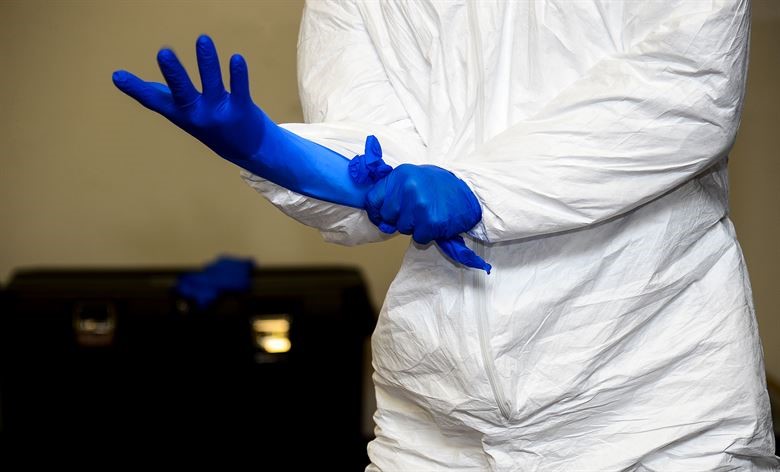
Put on disposable gloves and other personal protective equipment (PPE) if available to prevent infection transmission if suspected.
3. Call for Help
If it's a major burn, call emergency services immediately. These includes burns that cover large part of the body, burns at the genitals, burns at the throat and face, burns that are deep, etc.
4. Remove Contaminants (if safe)
Gently remove any clothing or jewelry that isn't stuck to the burn site. If clothing is stuck, do not try to pull it off.
5. Cool the Burn - This is Key!
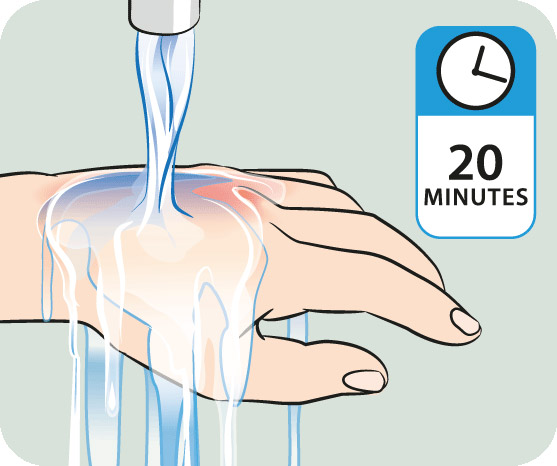
Use clean, cool (not cold or icy) running water for at least 10-20 minutes as soon as possible. This is the most effective way to cool the burn and reduce damage.
If running water isn't available, use a clean, cool, wet cloth or compress.
NEVER use ice, ice water, or freezing compresses, butter, mayonnaise, petroleum jelly, or any greasy substances. These can cause more damage, seal in heat, or increase the risk of infection.
For a mouth burn from hot food or drink, putting a piece of ice in the mouth for a few minutes can help.
For large burns, be mindful of hypothermia, especially in young children and older adults. Keep the rest of the person warm while cooling the burn.
6. Cover the Burn Loosely
Once cooled, cover the burn loosely with a sterile dressing, a clean non-fluffy cloth, or plastic cling film. Lay the cling film over the burn rather than wrapping it tightly around a limb. This protects the blistered skin, keeps air off the area (reducing pain), and helps prevent infection.

Do not use adhesive bandages as they will stick to the skin and may cause further damage.
7. Manage Pain
If appropriate, an over-the-counter pain reliever like ibuprofen or acetaminophen can help. Always follow dosage instructions.
8. Elevate the Affected Area
If possible, raise the burned area above heart level to help reduce swelling.
9. Watch for Shock
Monitor for signs of shock (cool, clammy skin, weak pulse, shallow breathing) and provide care for shock if necessary (lie the person down, raise legs, keep warm).
10. Do Not Break Blisters
Blisters help protect against infection. If a blister breaks on its own, gently clean the area with water and apply an antibiotic ointment (if advised by a medical professional).
11. Stay with the Person
Continue to monitor their condition, including breathing and responsiveness, until emergency medical services arrive or you transport them to medical care. Reassure them calmly.
Specific Considerations for Different Burn Types
Chemical Burns
1. Protect yourself
Wear PPE before touching the person.
Remove the chemical and quickly remove any clothing contaminated with the chemical.
2. Brush/Flush
If it's a dry chemical powder, brush it off with gloved hands or a cloth. If it's a liquid chemical, flush the skin immediately and continuously with large amounts of cool, clean, running water for at least 15 minutes (or until EMS arrives).
3. Eyes
If the chemical is in the eye, flush the eye with water until EMS arrives.
Leave the burn uncovered or loosely covered with a sterile dressing if transport is delayed.
Electrical Burns
1. Safety First
Ensure the power source has been turned off before you approach the person. Do not approach a person connected to a high-voltage source.
2. Cool the burn
Use clean, cool, running water for at least 15 minutes.
3. Seek medical evaluation
Even small electrical burns can indicate significant internal injuries, as electricity can affect the heart and breathing. The person should always be evaluated by a healthcare provider.
4. Be prepared for CPR
Electricity can cause cardiac arrest. Be ready to give CPR or compression-only CPR and use an AED if available and you are trained.
Leave the burn uncovered or loosely covered with a sterile dressing if transport is delayed.
Preventing Burns
- Keep hot liquids and foods out of reach of children.
- Turn pot and pan handles toward the back of the stove.
- Always supervise children in the kitchen.
- Do not wear loose clothing when cooking.
- Electrical Safety: Unplug electrical items when not in use. Avoid using extension cords excessively or overloading outlets.
- Store chemicals safely and always wear protective clothing and eyewear when using them.
- Have working smoke detectors in your home and know where to find a fire extinguisher.
- Use sunscreen, wear protective clothing, and seek shade during peak sun hours to prevent sunburn. If you do get sunburned, cool the skin, apply aftersun lotion, drink plenty of water, and watch for signs of heat exhaustion or heatstroke.
Always remember: when in doubt, seek professional medical attention.