Every Home Needs a First Aid Kit
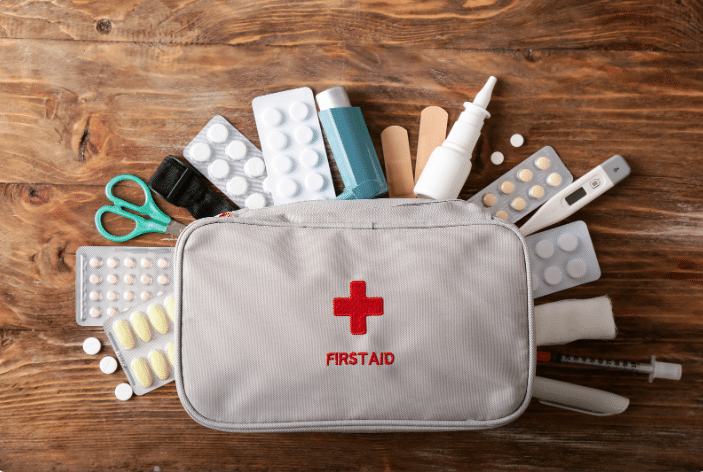
Accidents can happen at any time. A child may fall while playing, someone might get a burn while cooking, or a visitor could suddenly feel unwell. In moments like these, having a first aid kit at home can make a big difference.
A first aid kit does not replace a hospital or clinic, but it helps you manage small injuries and emergencies while you seek further care if needed. In Ghana and across Africa, where access to health facilities may sometimes take time, a well-prepared home first aid kit is especially important.
What Is a First Aid Kit?
A first aid kit is a collection of basic supplies used to give immediate care for common injuries and sudden illnesses. It helps reduce pain, prevent infection, and stop a situation from getting worse before professional help is available.
Why a Home First Aid Kit Matters
Having a first aid kit at home helps you:
-
Respond quickly to cuts, burns, and falls
-
Care for children and older family members
-
Handle minor injuries during the night or on weekends
-
Stay prepared during power outages, floods, or travel delays
-
Reduce panic during emergencies by having tools ready
Preparedness is a form of care. It shows responsibility toward yourself and those around you.
Essential Items for a Home First Aid Kit
A good home first aid kit does not need to be expensive. It should be simple, clean, and easy to use.
Basic supplies to include:
-
Adhesive bandages (plasters) of different sizes
-
Clean gauze and cotton wool
-
Adhesive tape
-
Antiseptic solution or wipes
-
Clean scissors
-
Tweezers
-
Disposable gloves
-
Thermometer
-
Pain relief tablets such as paracetamol
-
Oral rehydration salts (ORS)
-
Burn cream or soothing ointment
-
Safety pins

If anyone in the household has a known condition like asthma or allergies, keep their emergency medicines in or near the kit.
Where Should You Keep the Kit?
-
Store it in a cool, dry place
-
Keep it out of reach of young children, but easy for adults to access
-
Make sure everyone in the household knows where it is
-
Avoid places with too much heat or moisture, such as kitchens or bathrooms
Maintaining Your First Aid Kit
A first aid kit is only useful if it’s well maintained. Every few months:
-
Check expiry dates on medicines
-
Replace used or damaged items
-
Make sure liquids have not leaked
-
Update the kit if family needs change
This habit is especially important in homes with children.
First Aid and Cultural Care Practices
In many homes, traditional remedies are often the first response to injury or illness. While some cultural practices offer comfort, it is important to be careful. Certain substances applied to wounds or burns can cause infection or delay healing.
A first aid kit provides safe, clean, and tested supplies that support proper care. Traditional wisdom and modern first aid can exist together, but safety should always come first.
When First Aid Is Not Enough
First aid is for immediate help, not full treatment. You should seek medical care if:
-
Bleeding does not stop
-
Burns are severe or widespread
-
There is loss of consciousness
-
A child has a high fever that does not reduce
-
An injury looks serious or painful
Knowing when to go to the hospital is just as important as giving first aid.
A first aid kit is a small investment with big value. It promotes safety, confidence, and readiness in the home. For families in Ghana and across Africa, it is a practical step toward protecting health and well-being.
Prepared homes are safer homes.