Exclusive Breastfeeding - Nature’s First Superpower for Your Baby
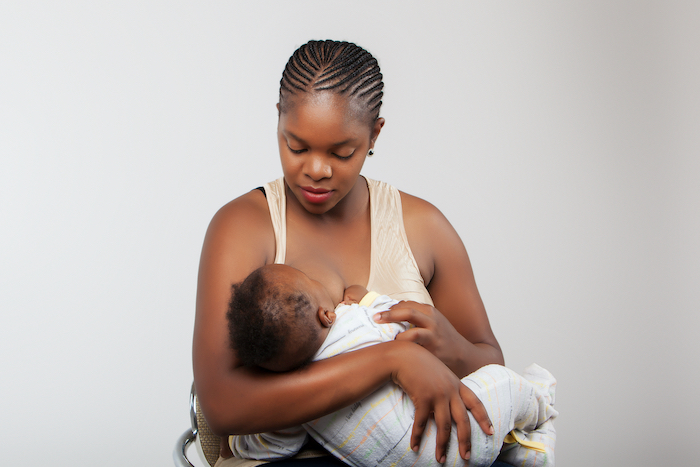
Let’s face it—when a baby is born, the first thing most people look for (after fingers and toes) is, “Has the baby breastfed yet?” It’s not just a cultural thing—it’s a survival thing. Just like baby goats, lions, and puppies, humans too are designed to breastfeed from day one. That first sip of breast milk is like nature’s welcome gift to your baby—full of nutrients, energy, and protection.
Now, when we say exclusive breastfeeding, we mean giving your baby ONLY breast milk—no water, no koko, not even a taste of palmnut soup—for the first six months. The only exception? Medicine, ORS, or prescribed drops when needed.
The World Health Organization (WHO) recommends it, and honestly, nature backs it up too.
What Makes Exclusive Breastfeeding So Special?
For the Baby
-
Strong Defense: Breastmilk is like your baby’s first vaccine. It’s packed with antibodies that help fight off infections—from colds to stomach upsets.
-
Smarter Kids: Studies have shown that babies who breastfeed tend to grow up smarter.
-
Better Growth: It has just the right balance of carbs, fats, and proteins to help your baby grow healthy and strong.
-
Fewer Sick Days: Less diarrhea, fewer respiratory infections, and even reduced chances of becoming overweight later in life.
For the Mother
-
It’s FREE! – No bottles, no formula, no stress. That’s money saved!
-
Helps You Heal: Breastfeeding helps your womb shrink faster and reduces postpartum bleeding [3].
-
Reduces Risk of Certain Cancers: Yup—regular breastfeeding lowers your chances of getting breast, ovarian, and even uterine cancer [5].
-
Stronger Bond: There’s something special about that skin-to-skin connection—it builds love and trust between you and your baby [6].

Challenges Mothers Face (And How to Overcome Them)
Let’s be real—exclusive breastfeeding is not always easy. Some mums struggle due to:
-
Sore nipples or cracked skin
-
Low milk supply
-
Pressure from others to introduce formula or other foods early
-
Work stress or no support from family
-
Lack of knowledge or poor health worker follow-up
But guess what? There’s always help.
If you're not producing enough milk, don’t panic. Speak to your baby’s doctor or pediatrician. Sometimes it’s a minor issue, sometimes it’s medical. Either way, you’ll get a plan that works for you.
Avoid random baby foods you see online or at the roadside. Not everything with a cute baby on the label is safe. Always check with a health worker first.
Tips to Help You Breastfeed Like a Pro
- Start Early, Feed Often: Begin breastfeeding within the first hour after birth and feed on demand (even if it feels like all day) [1][3].
- Skin-to-Skin is Key: Hold your baby close to your bare chest often—it helps with bonding and boosts milk production [6].
- Check the Latch: A good latch prevents nipple pain and helps your baby get enough milk [8].
- Join Support Groups: Talk to other mums, join a breastfeeding group, or speak with a lactation nurse if needed.
- Don’t Delay Help: If you're struggling, don’t wait till the baby is crying and you’re in tears—ask for help early.
Conclusion
Feeding your baby well is one of the most important decisions you’ll ever make—and it starts with exclusive breastfeeding. It’s free, it’s natural, and it’s powerful—for both baby and mum.
Remember, only breast milk for the first 6 months, then start adding nutritious meals, but continue breastfeeding until age 2 if you can.
If you're having a tough time, that’s okay. You’re not alone. Talk to a doctor, midwife, or any child health clinic nearby. Your baby deserves the best—and you deserve support.
Share this post with every mother, father, aunty, and grandmother you know. You might just save a life or raise a genius!