First Aid for Snake Bites: What to Do Before Help Arrives
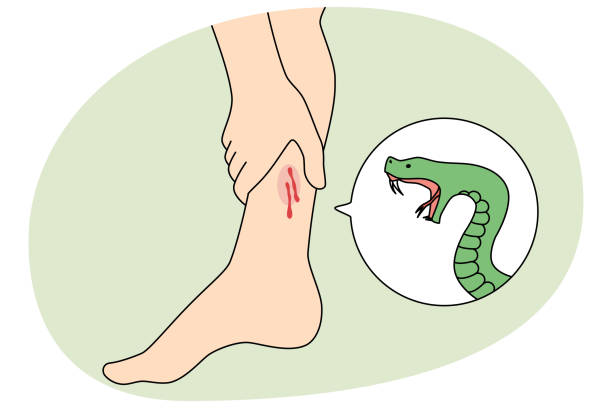
Snake bites are medical emergencies. The right first aid steps can make the difference between life and death while waiting for professional care. Knowing what to do—and just as importantly, what not to do—is essential if you live, hike, or work in areas where snakes are common.
1. Stay Calm and Call for Help
Panic spreads venom faster through the body. If you or someone nearby is bitten:
-
Call emergency services immediately if possible.
-
Keep the person as calm and still as possible.
-
Reassure them—most snakes aren’t venomous, but don’t take chances.
2. Limit Movement
Venom spreads faster when the heart rate is elevated.
-
Encourage the person to lie down.
-
Keep the bite site at or slightly below heart level.
-
Avoid walking if possible; carry the victim to transport if it’s safe to do so.
3. Remove Constricting Items
Bites often cause swelling. Rings, watches, bracelets, or tight clothing near the bite should be removed immediately to avoid circulation problems.
4. Apply a Pressure Immobilization Bandage (If Appropriate)
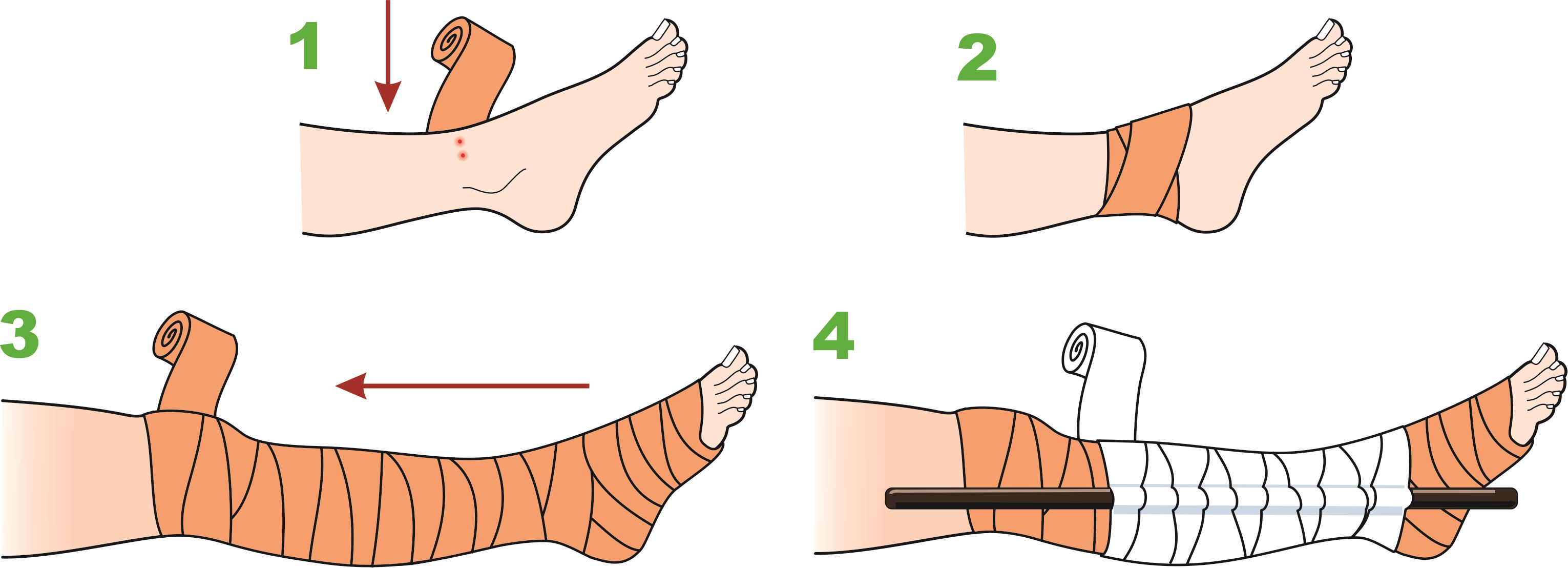
If the snake is suspected to be highly venomous (such as in regions with elapids—cobras, kraits, mambas, Australian snakes), apply a broad bandage firmly over the bite site and then wrap the entire limb.
-
Keep it snug, not cutting off blood flow.
-
Splint the limb to keep it immobile.
⚠️ Note: This method isn’t typically recommended for viper bites (common in the Americas, Africa, and Asia) because swelling can worsen.
5. Do Not Do the Following
There are plenty of myths about snake bite care. Avoid these mistakes:
-
❌ Do not cut or suck the wound.
-
❌ Do not apply ice.
-
❌ Do not use a tourniquet.
-
❌ Do not drink alcohol or caffeine.
-
❌ Do not try to catch the snake—just note its color or markings from a safe distance if possible.
6. Monitor Breathing and Circulation
If the victim shows signs of severe envenomation—difficulty breathing, drooping eyelids, confusion—be prepared to provide CPR if necessary.
7. Get to Medical Care—Fast
Antivenom is the only effective treatment for venomous snake bites. Time matters. Transport the victim to a hospital as quickly and safely as possible.
What to Pack if You Hike in Snake Country
If you like trails where snakes live, toss these into your daypack:
-
Elastic bandage (broad, ~7–10 cm wide): for pressure immobilization if recommended in your region.
-
Small splint or sturdy stick: to immobilize a limb if needed.
-
Marker or pen: to note bite time on the skin for medical staff.
-
Basic first aid kit: gauze, antiseptic wipes, gloves.
-
Fully charged phone + power bank: for emergency calls.
-
Plenty of water + snacks: in case you need to wait for help.
-
Emergency whistle or signal mirror: for attracting attention.
It doesn’t have to be heavy—just enough to buy you time until help gets there.
Final Thoughts
Snake bites are terrifying, but panic and misinformation make them worse. The golden rule is simple: keep the victim calm, immobilized, and get them to professional care immediately. Every other step—pressure bandages, removing tight items, monitoring vitals—supports this core principle.