Guide to Advance Care Planning

Hey there! Let’s chat about something that’s super important but doesn’t have to be scary: advance care planning. Think of it as creating a guidebook for your future healthcare, so if you’re ever too sick or injured to speak for yourself, your loved ones and doctors know exactly what you’d want. It’s like leaving a heartfelt note that says, “Here’s what matters to me.” This guide will walk you through what advance care planning is, why it’s a big deal, and how to get started in a way that feels approachable and empowering.
What is Advance Care Planning
Advance care planning is all about thinking ahead and making decisions now about the medical care you’d want if you can’t communicate later. Maybe you’d want every possible treatment to prolong life, or maybe you’d prefer to focus on comfort and staying at home. It’s your call! You can write down these preferences in a document called an advance care directive and choose someone you trust to make decisions for you, known as a healthcare proxy or substitute decision-maker. This ensures your care reflects your values, whether it’s about life-sustaining treatments, pain management, or where you’d like to be cared for Advance Care Planning Australia.
It’s different from voluntary assisted dying, which is about choosing the timing of your death and follows strict laws. Advance care planning is about guiding your medical care to match your wishes, and it’s something everyone can do.
Why Advance Care Planning is a Game-Changer?
Imagine you’re in a hospital, unable to tell your doctors what you want. Without a plan, your family might have to guess, and that can be really stressful for them. Advance care planning takes that burden away by letting you share your wishes now, while you’re healthy and thinking clearly. Here’s why it’s so important:
- Your Wishes Come First: It ensures you get the care you want, not what someone else thinks is best. For example, you might say no to a ventilator but yes to pain relief.
- Less Stress for Your Family: Research shows that families of people with advance care plans feel less anxious, depressed, and stressed. They’re more satisfied knowing they’re honoring your wishes National Institute on Aging.
- Better Care: Planning helps doctors tailor treatments to your goals, which can mean fewer unwanted hospital stays or procedures.
- It’s for Everyone: A sudden accident or illness can happen at any age, so planning isn’t just for older adults or those with chronic conditions.
It’s like giving yourself and your loved ones a gift of clarity and peace of mind.
Who Should Think About Advance Care Plannning?
The answer is simple: everyone! No matter your age or health, life can be unpredictable. A car accident, a sudden stroke, or an unexpected diagnosis could leave you unable to communicate. Advance care planning ensures your voice is heard, no matter what. It’s especially important if you:
- Are older, as health changes become more common.
- Have a chronic illness, like diabetes or heart disease.
- Have multiple health conditions.
- Are noticing early memory or cognitive changes, like in early dementia.
- Are nearing the end of life.
Even if you’re young and healthy, planning now means you’re prepared for the unexpected. Without a plan, state laws might decide who makes decisions for you—like a spouse or parent—and they might not know what you’d want National Institute on Aging.
How to Get Started
Advance care planning doesn’t have to be overwhelming. It’s a process you can take at your own pace. Here’s how to dive in:
1. Reflect on What Matters to You
Think about your values, beliefs, and goals for care. Ask yourself:
- What treatments would I want or avoid if I were seriously ill? (e.g., CPR, feeding tubes, ventilators)
- Where would I prefer to be cared for—home, hospital, or hospice?
- What quality of life is important to me? (e.g., being able to talk with family, being pain-free)
- Who do I trust to make decisions for me?
You don’t need all the answers right away. Just start jotting down what feels important.
2. Choose a Healthcare Proxy
Pick someone you trust to be your healthcare proxy—someone who knows you well and will follow your wishes. This could be a family member, friend, or partner. Make sure they’re over 18, not your healthcare provider, and comfortable making tough decisions. Talk to them about your preferences so they’re ready to step in if needed NIA Choosing a Proxy.
3.Have the Conversation
Share your thoughts with your family, friends, and doctor. It might feel a bit awkward, but it’s a huge help. Try starting with, “I want to make sure you know what I’d want if I can’t speak for myself—can we talk about it?” Tools like The Conversation Project have guides to make these chats easier. Being open now can prevent confusion later.

4. Create an Advance Care Directive
Put your wishes in writing with an advance care directive. This usually includes:
- A living will, where you list treatments you do or don’t want.
- A durable power of attorney for healthcare, naming your proxy.
You can find free forms through your state’s Attorney General’s Office, AARP, or National Hospice Organization. Sign it with two witnesses or a notary to make it legal—no lawyer needed, though you can consult one if you want.
5. Share Your Plan
Give copies of your directive to your proxy, doctors, and loved ones. Keep a copy in an accessible place (not a locked safe) and consider registering it with your state’s advance directive registry if available. This ensures everyone can find it when needed.
6. Review and Update Regularly
Your wishes might change over time, and that’s okay! Check your plan at least once a year or after big life events like marriage, a new diagnosis, or moving to a new state. Update it as needed and share the new version with everyone who has a copy.
Types of Documents in Advanced Care Planning
Advance care planning can involve a few different documents, depending on your needs. Here’s a quick look:
|
Document |
What It Does |
When It’s Used |
|
Living Will |
Lists treatments you do or don’t want, like CPR or ventilators. |
Guides doctors if you can’t communicate. |
|
Durable Power of Attorney for Healthcare |
Names your healthcare proxy to make decisions for you. |
Ensures someone you trust speaks for you. |
|
Do Not Resuscitate (DNR) Order |
Tells medical staff not to perform CPR if your heart stops. |
Used in hospitals or care facilities for specific situations. |
|
Physician Orders for Life-Sustaining Treatment (POLST) |
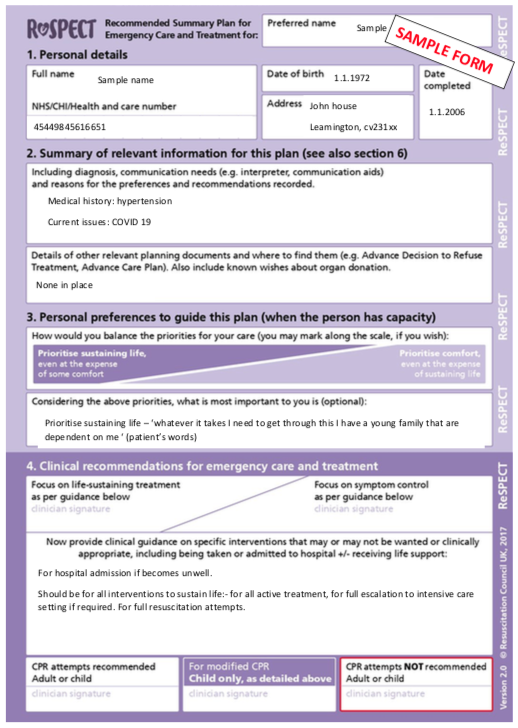
A medical order specifying emergency treatment preferences. |
For those with serious illnesses or near end of life. |
The documents vary. But it might look something like:
Addressing Common Worries
It’s totally normal to feel a bit nervous about advance care planning. Here are some common concerns and how to tackle them:
“It’s too early for me.”
The best time to plan is when you’re healthy and can think clearly. Waiting until you’re sick might make it harder to express your wishes.
“I don’t want to burden my family.”
Planning actually reduces their burden by giving them clear guidance. They won’t have to guess what you’d want, which can ease their stress.
“What if I change my mind?”
You can update your plan anytime you want, as long as you’re able to make decisions. It’s your plan, and it should reflect your current wishes.
“I’m not sure what to choose.”
That’s okay! Start by thinking about your values and talking with your doctor or loved ones. You can refine your plan as you go.
Tips for Making It Easier
- Start Small: If it feels overwhelming, begin with a simple chat with a trusted friend or family member about what matters to you.
- Use Helpful Tools: Check out free resources like PREPARE for Your Care or the National Institute on Aging’s Ready, Set, Plan! email series to guide you step-by-step.
- Talk to Your Doctor: Your healthcare provider can answer questions about your health and what decisions might come up. Medicare even covers advance care planning during annual wellness visits.
- Be Kind to Yourself: These conversations can feel emotional. Take it at your own pace and don’t be afraid to ask for support.
- Consider Your Culture: Your cultural or religious beliefs might shape your preferences. Make sure your plan reflects what’s important to you.
What Happens If You Don’t Plan?
If you don’t have an advance care directive and can’t make decisions, state laws decide who speaks for you—usually a spouse, parent, or adult child. But they might not know your wishes, and someone you don’t want, like an estranged relative, could end up deciding. In some cases, a doctor or court-appointed guardian might step in, which may not align with what you’d want. Planning ahead avoids this uncertainty.
Legal and Practical Notes
Advance care directives are legally recognized, but they’re not always binding. Doctors will try to follow your wishes, but there might be rare cases where they can’t—like if your preferences conflict with their conscience or hospital policies. In those situations, they’ll let your proxy know and may transfer your care to another provider. If you spend time in multiple states, consider creating directives for each one, as requirements vary National Institute on Aging.
For people with dementia, starting early is key, as decision-making ability may fade over time. Talk about your wishes while you can still participate, and involve family or friends to support the process NIA Dementia Planning.
What’s New in Advance Care Planning?
Advance care planning is always evolving to be more accessible and inclusive. In 2025, there’s exciting progress, especially in places like Australia, where they’re exploring ways to integrate advance care plans into digital health records. This could make it easier to create, update, and share your plan with doctors, ensuring your wishes are always at their fingertips. There’s also a global push to make planning more inclusive for people with conditions like dementia, so everyone can have a say in their care Advance Care Planning Australia.
Events like the 2025 Advance Care Planning International Conference are bringing experts together to share new ideas and make planning even better for individuals and families worldwide.
Wrapping It Up
Advance care planning might not be the first thing you think of when you wake up, but it’s one of the most thoughtful things you can do for yourself and your loved ones. It’s about making sure your voice is heard, no matter what life brings, and giving your family the clarity they need to support you. You don’t have to do it all at once—start with a conversation, think about what matters to you, and take it one step at a time. Your future self (and your family) will be so grateful you did.
Ready to get started? Grab a cup of coffee, sit down with someone you trust, and start talking about what matters most. You’ve got this!