Heart Attack - Spot the Signs, Act Fast, Save a Life!
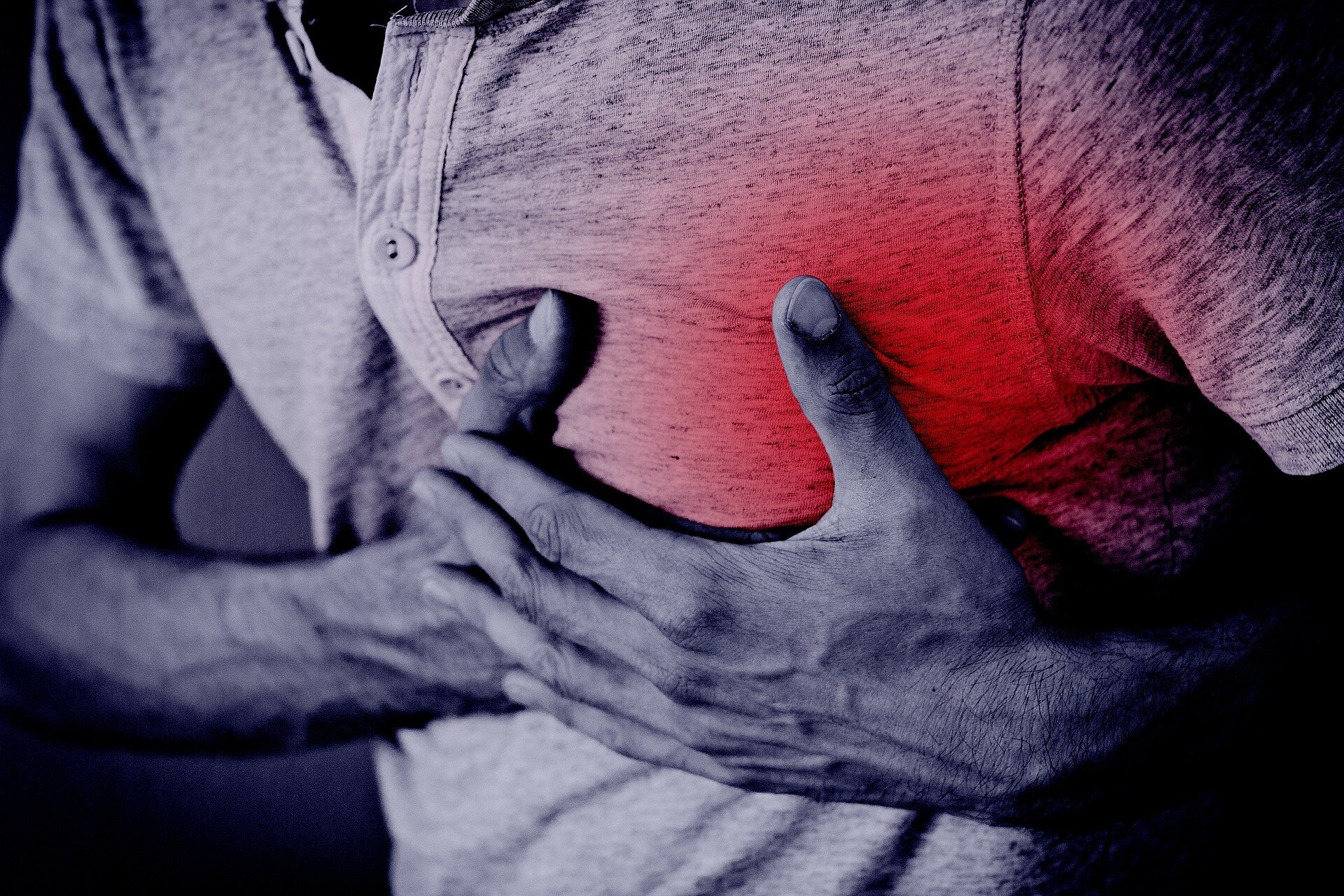
A heart attack is a serious medical emergency that demands immediate attention. The treatments that work best to minimize heart muscle damage and improve survival are most effective when given very quickly after symptoms begin. This is why recognizing the signs rapidly and acting fast is so incredibly vital!
Don't Wait, Call your local Emergency Number NOW!
This is the absolute most important takeaway: If you suspect you or someone else is having a heart attack, call emergency services (999 if you're in Ghana, or 911/112 in other regions) immediately! It's almost always the fastest way to get life-saving treatment. If these numbers are not reachable, try to mobilize the patient to the hospital provided they are stable.
Why call an ambulance instead of driving? Because emergency medical services (EMS) teams are trained to begin treatment as soon as they arrive – even on the way to the hospital! They can give initial medications, monitor the person's condition, and ensure rapid transport to the right emergency room. People who arrive by ambulance may even get faster treatment at the hospital. Don't delay the call for any reason – every minute counts!
Warning Signs
While some heart attacks are sudden and intense, others can start slowly with mild pain or discomfort, sometimes even weeks in advance. It's crucial to pay close attention to your body. Remember, symptoms can vary from person to person, and significantly between men and women.
Common Heart Attack Warning Signs (for everyone!):
1. Chest Discomfort: This is the most common symptom. It often feels like uncomfortable pressure, squeezing, fullness, or aching in the center of the chest. It might last for more than a few minutes, or it could go away and then return.
2. Discomfort in Other Upper Body Areas: The pain or discomfort isn't always just in the chest! It can spread to:
- One or both arms
- The back
- The neck
- The jaw
- The stomach (this can feel like indigestion or heartburn)

3. Shortness of Breath: This can occur with or without chest discomfort. You might feel like you can't catch your breath.
4. Other Potential Signs: Watch out for:
- Breaking out in a cold sweat
- Feeling nauseous or actually vomiting
- Feeling lightheaded or suddenly dizzy
- Feeling unusually tired
- Rapid or irregular heartbeat
- An overwhelming feeling of anxiety (sometimes described as similar to a panic attack)
- Coughing or wheezing
Note: Symptoms Can Differ Between Men and Women!
While chest pain or discomfort is the most common symptom for both men and women, it's crucial to know that women may experience other, less typical symptoms that might be easily overlooked. Women are more likely to have:
- Anxiety
- Shortness of breath (without chest pain)
- Nausea or vomiting
- Upset stomach
- Pain in the shoulder, back, or arm (sometimes sharp or brief pain)
- Unusual tiredness and weakness
So, if you're a woman, be extra vigilant for these "other" signs, especially if they appear suddenly and without explanation.
What to Do in a Heart Attack Emergency
Your quick action can truly make the difference!
1. Call your local emergency number IMMEDIATELY! As soon as you recognize any of the warning signs in yourself or someone else, make that call. Don't wait to see if symptoms improve or go away. Every minute counts! If the ambulance service is not responding, try getting the person to the hospital by another means.
2. Rest and Remain Calm (as much as possible): While waiting for the ambulance, try to sit or lie down and stay as still as possible. This helps to avoid putting extra strain on the heart.
3. Take Aspirin (if appropriate): If you are conscious, not allergic to aspirin, and emergency services advise it (or if you have been previously told by a doctor to take aspirin for a suspected heart attack), slowly chew and then swallow an adult-size (300mg) aspirin tablet. Aspirin helps thin the blood and can improve blood flow to the heart. However, never delay calling 999 to take aspirin. Call for emergency help first!
4. Nitroglycerin (if prescribed): If you've been prescribed nitroglycerin by a healthcare provider for chest pain, take it as instructed while awaiting emergency help.
5. If the Person is Unconscious and Not Breathing (Cardiac Arrest):
- Call 999 (or your local emergency number) immediately!
- Begin CPR (Cardiopulmonary Resuscitation):
-
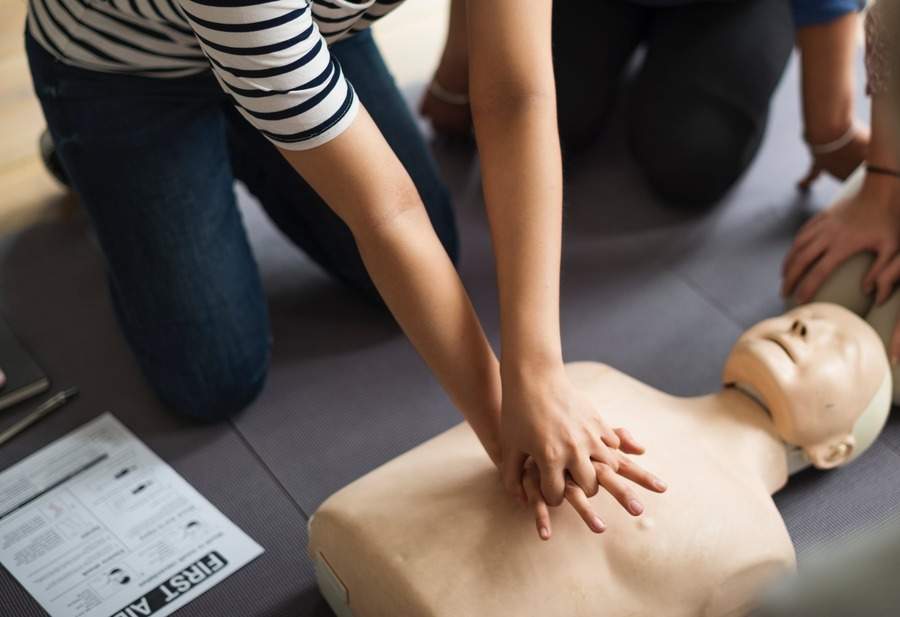
- If you're untrained in CPR: Do hands-only CPR. That means push hard and fast on the center of the person's chest – aim for about 100 to 120 compressions a minute. Continue until medical help arrives.
- If you're trained in CPR: Start with 30 chest compressions, then give two rescue breaths.
- Find an AED (Automated External Defibrillator): If there's someone else with you, ask them to find an AED. These are safe, portable electrical devices found in many public places. Use it as soon as it's available, following its verbal instructions.
Angina vs. Heart Attack
Angina is chest pain caused by a temporary restriction of oxygen-rich blood to the heart, usually triggered by exertion and relieved by rest or specific medication (like glyceryl trinitrate, if prescribed).
· If you have angina, the prescribed medicine should improve your symptoms within 5 minutes.
· If you're having a heart attack, this medicine will likely not work.
· If the first dose of glyceryl trinitrate doesn't work after 5 minutes, take a second dose.
· If the second dose doesn't work after 5 minutes, or if the pain gets worse, or you also feel unwell, sick, dizzy, or short of breath, seek medical help immediately. Do not wait!
Share this post; Save a life!