Heart Attacks – What It Means

Have you ever wondered what exactly happens when someone has a heart attack? It's a medical event we often hear about, but truly grasping the science behind it, why it occurs, and who is at risk can empower us to protect ourselves and our loved ones. So, let's embark on an informative journey into the world of heart attacks!
How your Heart works
Before we dive into what goes wrong, let's appreciate what's usually going right! Your heart is an amazing, tireless organ. It's a muscle, about the size of your fist, that acts as a powerful pump, constantly circulating blood throughout your entire body. This blood carries vital oxygen and nutrients to every cell, keeping you alive and thriving.
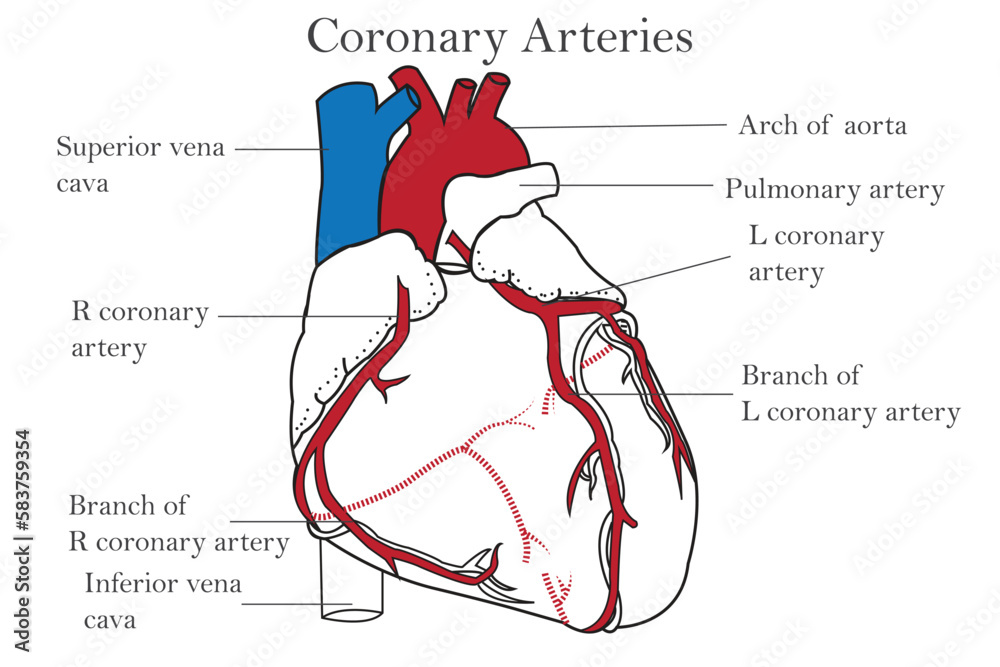
To do its job, the heart muscle itself needs a continuous supply of oxygen-rich blood. This crucial blood supply comes through special vessels called coronary arteries that wrap around your heart. Think of them as the heart's very own, dedicated fuel lines.
What is a Heart Attack (Myocardial Infarction)?
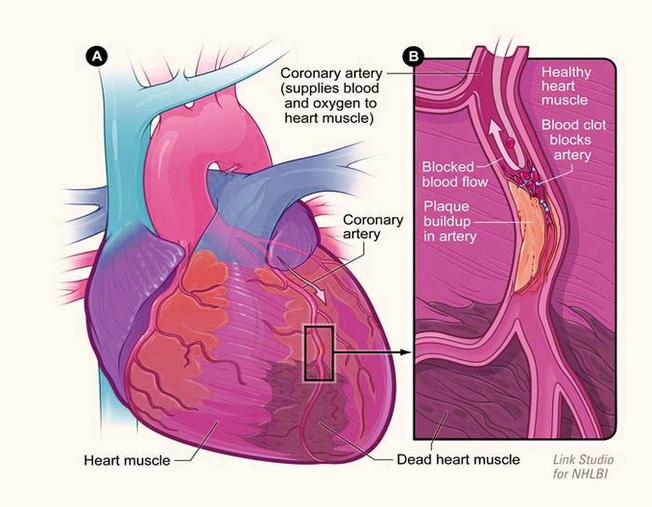
A heart attack, clinically known as a myocardial infarction (MI), occurs when the blood flow to a section of your heart muscle becomes severely reduced or completely blocked. When this happens, that part of the heart muscle doesn't get the oxygen and nutrients it needs, and if the blockage isn't quickly cleared, the affected heart muscle cells can begin to die. This damage can be temporary or permanent, affecting the heart's rhythm and its ability to pump blood effectively.
The Cause?
The vast majority of heart attacks are caused by an underlying condition called coronary artery disease (CAD). Here's how it generally unfolds:
1. Plaque Buildup (Atherosclerosis): Over time, substances like fat, cholesterol, and other cellular waste can accumulate on the inner walls of your coronary arteries. These sticky deposits are called plaques. This process of plaque buildup is known as atherosclerosis, and it causes the arteries to narrow and harden, making them less flexible.
2. Plaque Rupture: Sometimes, one of these plaques can rupture or crack. When this happens, your body's natural response is to form a blood clot at the site of the rupture, attempting to "heal" the damaged artery wall.
3. Blocked Artery: This newly formed blood clot can then completely block the already narrowed artery, effectively cutting off the blood supply to the heart muscle downstream. This sudden, complete blockage is what triggers a heart attack.
Less commonly, a heart attack can also be caused by a severe spasm or sudden contraction of a coronary artery, temporarily stopping blood flow.
Signs and Symptoms of a Heart Attack
Knowing the warning signs of a heart attack is absolutely critical, as getting help quickly can minimize damage and save lives. While some heart attacks strike suddenly and intensely, others begin slowly with mild pain or discomfort, sometimes even weeks in advance. It's vital to pay attention to your body.
Common Heart Attack Symptoms (for everyone!):
- Chest Discomfort: This is the most common symptom. It often feels like uncomfortable pressure, squeezing, fullness, or pain in the center or left side of the chest. It can last for more than a few minutes, or it may go away and then return.
- Pain or Discomfort in Other Areas of the Upper Body: The pain isn't always confined to the chest! It can spread to:
-
- One or both arms (often the left arm, but it can affect both)
- The back
- The neck
- The jaw
- The stomach (this can feel like indigestion or heartburn)
- Shortness of Breath: This can occur with or without chest discomfort. You might feel like you can't get enough air.
- Other Potential Signs: These can include:
-
- Breaking out in a cold sweat
- Feeling nauseous or actually vomiting
- Feeling lightheaded or suddenly dizzy
- Feeling unusually tired (especially unexplained fatigue)
- Rapid or irregular heartbeat
- An overwhelming feeling of anxiety (sometimes described as similar to a panic attack)
- Coughing or wheezing
Heart Attack Symptoms in Women
While chest pain or discomfort is the most common symptom for both men and women, it's crucial to know that women may experience other symptoms that are often less typically associated with a heart attack and can be easily missed. Women are more likely to experience:
- Unusual or unexplained tiredness and weakness
- Nausea or vomiting
- Upset stomach or indigestion
- Pain in the shoulder, back, or arm (sometimes described as brief or sharp pain, and can occur without chest pain)
- Shortness of breath (without chest discomfort)
- Anxiety
Sometimes, the first sign of a heart attack can even be sudden cardiac arrest, where the heart unexpectedly stops beating.
Who's at Risk?
While a heart attack can strike anyone, certain factors significantly increase your likelihood. It's helpful to categorize these into those you cannot change and those you can manage and modify.
Non-Modifiable Risk Factors:
1. Age: The risk of heart attack generally increases with age, especially for men over 45 and women over 55.
2. Gender: Men tend to have heart attacks at a younger age than women. However, after menopause, women's risk steadily increases and can even surpass men's.
3. Family History: A strong family history of early heart disease (e.g., a father or brother diagnosed before age 55, or a mother or sister before age 65) increases your personal risk.
4. Race/Ethnicity: Certain groups, such as African Americans and Hispanic people, have a higher risk of heart disease due to a combination of genetic and lifestyle factors.
Modifiable Risk Factors (Areas Where You Can Take Action!):
1. High Blood Pressure (Hypertension): This is one of the most significant risk factors. Uncontrolled high blood pressure constantly stresses and damages your arteries, making them more prone to plaque buildup.
2. High Blood Cholesterol: Specifically, high levels of LDL ("bad") cholesterol contribute to plaque formation, while low levels of HDL ("good") cholesterol can also be a concern.
3. Diabetes: Poorly managed blood sugar can damage blood vessels throughout the body, including those supplying the heart.
4. Smoking: This is a major accelerator of atherosclerosis. Smoking damages artery walls, promotes blood clot formation, and reduces the oxygen-carrying capacity of your blood. This includes exposure to secondhand smoke!
5. Obesity/Overweight: Carrying excess weight significantly increases the risk of high blood pressure, high cholesterol, and diabetes, all of which are direct risk factors for heart attack.
6. Physical Inactivity: A sedentary lifestyle is a major contributor to poor cardiovascular health. Regular exercise helps manage weight, lower blood pressure, improve cholesterol levels, and strengthen the heart.
7. Unhealthy Diet: Diets high in saturated and trans fats, processed foods, excessive sodium, and added sugars contribute to high cholesterol, high blood pressure, and inflammation, all of which harm your heart.
8. Stress: Chronic stress can contribute to high blood pressure and other heart disease risk factors.
9. Excessive Alcohol Consumption: Heavy drinking can raise blood pressure and contribute to heart muscle damage.
10. Illicit Drug Use: Certain drugs like cocaine and methamphetamine can cause severe spasms of the coronary arteries, leading to a heart attack.
11. Obstructive Sleep Apnea: This condition, where breathing repeatedly stops during sleep, can put significant strain on the heart over time.
12. COVID-19 Infection: Some early research suggests a potential increased risk of ischemic stroke following COVID-19 infection, though more study is needed.
Prevention and Recovery
The good news is that many heart attacks are preventable! By understanding these risk factors, you can work with your healthcare provider to develop a personalized plan for a heart-healthy lifestyle. This often includes:
1. Regular Exercise: Aim for at least 150 minutes of moderate-intensity aerobic activity or 75 minutes of vigorous activity per week.
2. Heart-Healthy Diet: Focus on whole foods – plenty of fruits, vegetables, whole grains, lean proteins, and healthy fats. Limit processed foods, red meat, and sugary drinks.
3. Maintain a Healthy Weight: Losing even a small amount of weight can significantly impact your heart health.
4. Quit Smoking: This is paramount. If you smoke, seek support to quit.
5. Manage Existing Conditions: Work closely with your doctor to control blood pressure, cholesterol, and diabetes through lifestyle and medication if necessary.
6. Stress Management: Incorporate stress-reducing activities like yoga, meditation, spending time in nature, or connecting with loved ones.
7. Regular Check-ups: These are crucial for monitoring your risk factors and catching potential issues early.
For those who have experienced a heart attack, recovery is a crucial phase. Your heart may be damaged, and you're at higher risk for another event or complications like stroke. Cardiac rehabilitation is an incredibly important, supervised program that includes physical activity, education on healthy living, and counseling to manage stress. This program significantly improves outcomes and reduces the risk of future problems.
Frequently Asked Questions (FAQs) About Heart Attacks
1. Can I have sex after a heart attack?
Yes — in most cases, people can resume sexual activity once they feel better and can do moderate physical activity (like climbing stairs) without chest pain or shortness of breath. It’s best to talk with your doctor first, especially if you're unsure or have other conditions.
2. What does a heart attack feel like?
It often feels like pressure, squeezing, or pain in the chest that may spread to the neck, jaw, arm, or back. Some people may also feel lightheaded, sweaty, nauseous, or very tired — symptoms can vary, especially in women and older adults.
3. Are heart attacks always sudden?
Not always. Some start slowly with mild symptoms that build up over time. Others can be sudden and intense. Either way, early action is critical — don’t wait to seek help.
4. Can younger people have heart attacks?
Yes, although more common in older adults, heart attacks can affect younger people — especially if there are risk factors like smoking, high blood pressure, drug use (like cocaine), or family history.
5. What’s the difference between a heart attack and cardiac arrest?
A heart attack happens when blood flow to the heart is blocked. A cardiac arrest is when the heart suddenly stops beating. A heart attack can lead to cardiac arrest if not treated quickly.
6. Can a heart attack happen without chest pain?
Yes — especially in women, older adults, and people with diabetes. These “silent heart attacks” may cause symptoms like fatigue, shortness of breath, nausea, or back pain.
7. How soon can I return to work after a heart attack?
It depends on the severity of the heart attack and your job type. Some people return to work in a few weeks, while others may need more time and rehabilitation. Follow your doctor's advice and take it slow.
8. Is it true that women experience heart attacks differently?
Yes. Women are more likely to have atypical symptoms such as fatigue, shortness of breath, back or jaw pain, or nausea — rather than classic chest pain. This can make recognition and treatment more challenging.