HPV Vaccine for Girls – and Boys Too!
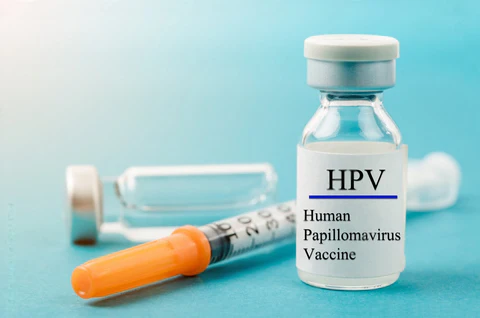
When we hear about HPV, many of us think it’s a rare condition. However, Almost everyone will come into contact with Human Papillomavirus (HPV) at some point in their lives. It’s one of the most common viruses worldwide, spread through close skin-to-skin contact. Most HPV infections go away on their own, but some can lead to serious health problems—like cancers and genital warts. That’s where the HPV vaccine comes in.
What is HPV and Why Does It Matter?
HPV isn’t just one virus—it’s a group of more than 100 related viruses. Some types are harmless, but others are high-risk. Persistent infections with these high-risk types can cause:
-
Cervical cancer (the most well-known link)
-
Throat and mouth cancers
-
Anal and penile cancers
-
Genital warts
The HPV vaccine helps prevent infection from the strains that cause most of these problems. It’s like putting up a shield before the virus has a chance to do damage.
Not Just for Girls—Boys Benefit Too
When the HPV vaccine was first introduced, the focus was mainly on preventing cervical cancer, so people thought it was “for girls.” But research quickly showed it also protects boys. Vaccinating boys prevents genital warts, penile and anal cancers, and HPV-related throat cancers. Plus, when boys are vaccinated, it reduces the overall spread of the virus—protecting everyone.
Who Should Get the Vaccine?
Health experts recommend:
-
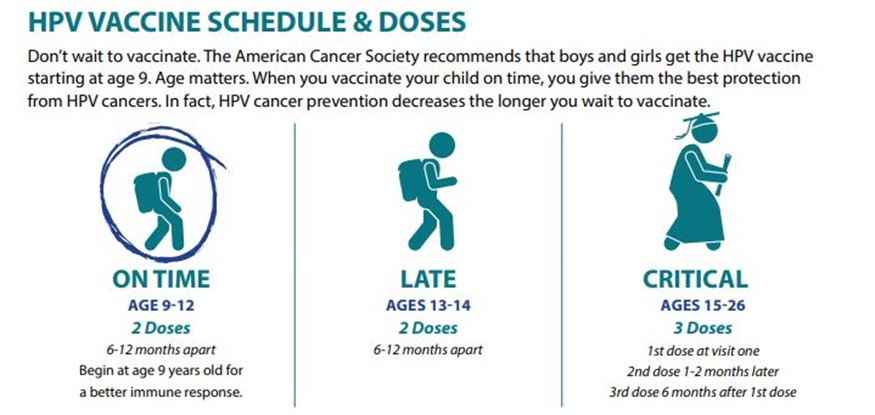
Routine vaccination at ages 11–12 (though it can start as early as age 9)
-
Catch-up vaccination up to age 26 if not done earlier
-
Adults aged 27–45 can discuss with their doctor whether it makes sense for them
Getting vaccinated before any exposure to HPV (that is, before becoming sexually active) gives the strongest protection. But even if you’re older, the vaccine can still help.
Common Myths and Misconceptions
-
“The vaccine is only for sexually active people.”
Not true. It works best before any exposure, which is why kids and teens are the primary age group. -
“It encourages early sexual activity.”
Studies show this isn’t the case. Getting the HPV vaccine doesn’t change when or how people choose to become sexually active. -
“It’s not safe.”
The HPV vaccine has been used for years and studied worldwide. Health authorities like the World Health Organization (WHO) and the Centers for Disease Control and Prevention (CDC) confirm it’s both safe and effective.
Why Vaccination Matters
The HPV vaccine is more than personal protection—it’s community protection. By lowering HPV infections overall, we reduce the spread of the virus and the burden of preventable cancers.
HPV is common, but the cancers it can cause don’t have to be. Vaccination is a simple, powerful step we can take to protect ourselves, our children, and our communities. And remember—it’s not just for girls. Boys need protection too.
Getting the HPV vaccine today means building a healthier future for everyone.