Rheumatic Fever - "It was Just a Sore Throat"

Could something as simple as a sore throat or skin infection put your heart at risk? As surprising as it may sound, the answer is yes. What many people brush off as “just a sore throat” could, if left untreated, lead to Rheumatic Fever—a serious illness that can cause lifelong damage, especially to the heart.
In many parts of the world Rheumatic Fever remains a real threat. It’s not just a medical condition; it’s a public health concern, especially for children and young people. But in most cases, it’s completely preventable.
Let’s break it down in simple terms—what it is, how to recognize it, and how to protect yourself or your child.
What Exactly Is Rheumatic Fever?
Rheumatic Fever is an illness that can develop after a bacterial infection, most often sore throat or certain skin infections caused by a germ called Group A Streptococcus.
Normally, antibiotics clear up a strep infection quickly. But if the infection goes untreated, the body’s immune system can overreact and mistakenly start attacking healthy parts of your body—like your heart, joints, skin, or brain. This is what leads to Rheumatic Fever.
It’s most common in children aged 5 to 15, and the long-term consequences can be very serious. That’s why catching it early and taking it seriously is so important.
Watch Out for These Signs
Rheumatic Fever doesn’t happen right away. Symptoms usually show up 2 to 4 weeks after a strep infection.
Here are the signs to look out for:
-
Fever that doesn’t go away
-
Painful, swollen joints, especially in the knees, ankles, wrists, or elbows. The pain often moves from one joint to another
-
Tiredness and weakness, even after resting
-
Chest pain or difficulty breathing—this could mean the heart is affected
-
Strange rashes or painless lumps under the skin
-
Sudden, jerky body movements or changes in behavior (this can affect the brain)
Not everyone has all of these signs, and some may come and go. But if you notice any of them—especially after a sore throat—it’s time to see a doctor.
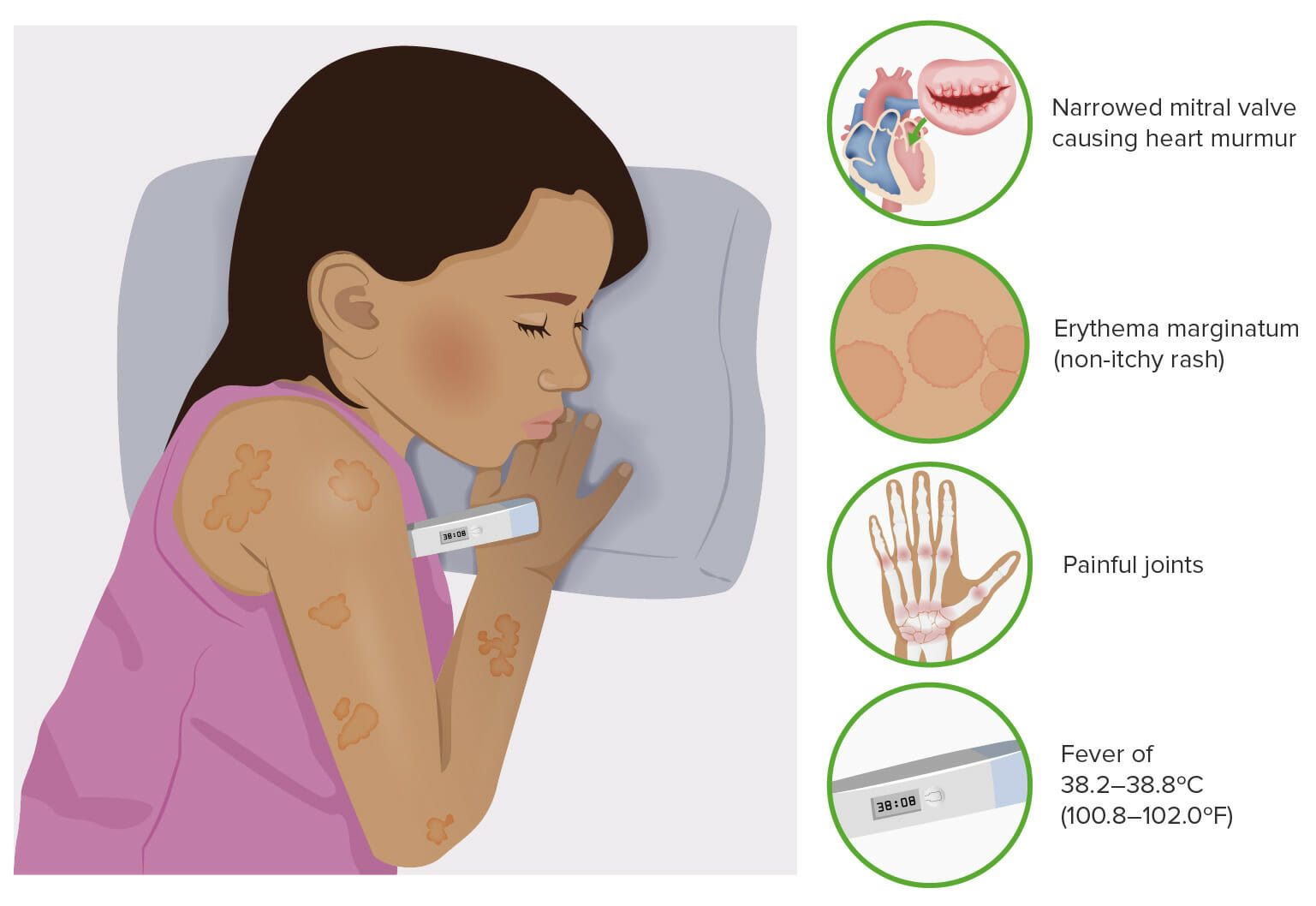
Rheumatic Heart Disease (RHD)
The most serious part of Rheumatic Fever is that it can damage your heart, especially the valves that control blood flow. This can lead to a condition called Rheumatic Heart Disease (RHD).
Damaged heart valves can:
-
Become narrow and stiff (making it hard for blood to pass through)
-
Leak, causing the heart to work harder
-
Lead to heart failure, irregular heartbeats, or even stroke later in life
Once this kind of heart damage happens, it can be permanent and may require surgery. That’s why prevention is key.
How You Can Prevent Rheumatic Fever
The best way to prevent Rheumatic Fever is to treat strep infections properly and on time.
Here’s what to do:
- Don’t ignore a sore throat—especially if there’s a fever, trouble swallowing, or a red rash. It could be strep.
- Ask for a strep test at the clinic. It’s a simple throat swab.
- If antibiotics are prescribed, finish the full course—even if the symptoms go away early. Stopping too soon allows the bacteria to survive and can lead to Rheumatic Fever.
- If someone has had Rheumatic Fever before, doctors may recommend regular antibiotics for years to protect the heart from more damage.
These steps may seem simple—but they can save lives.
Why This Matters
Rheumatic Fever is more common in areas where people may delay going to the clinic, or where access to care is limited. In our communities, raising awareness is just as important as treatment.
Parents, teachers, and community leaders can all help by:
-
Knowing the signs
-
Encouraging early treatment
-
Supporting full antibiotic use
-
Helping others get access to care
Conclusion
Rheumatic Fever often begins quietly—but its impact can be loud and long-lasting. Fortunately, the power to stop it lies in awareness and action.
A sore throat might seem like nothing at first. But with the right steps—getting tested, taking medicine fully, and following up—you can protect yourself and your loved ones from the lifelong effects of this disease.
Let’s stay informed, stay alert, and take action early. Because when it comes to Rheumatic Fever, prevention truly is the best cure.