Road Traffic Accident - First Aid
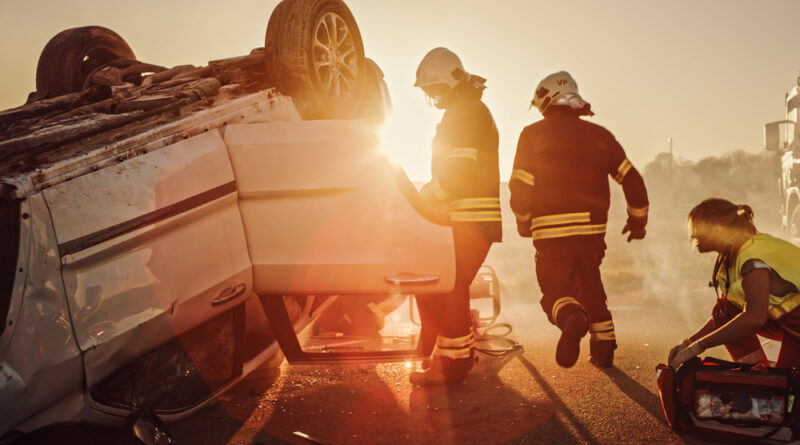
Accidents happen in the blink of an eye—on the road, at work, in public spaces, or even at home. And in those first few moments, your response could make all the difference between life and death.
Unfortunately, many people either panic or unknowingly do more harm than good. Whether you're a passerby, a friend, or even the one involved in the accident, knowing what to do can save lives, prevent further injury, and give emergency services a better chance of taking over safely.
This guide breaks down simple, essential steps anyone can follow when faced with an accident scene. Whether you’re the first to arrive or you're caught in it yourself—these are things everyone should know.
1. If You Arrive at an Accident Scene
Step 1: Request Help and Survey the Environment
-
Call for help immediately. Dial the local emergency number and give them clear information about the scene.
-
Ensure your safety first. Park your vehicle safely, turn on hazard lights, and approach only if it’s safe.
-
If possible, switch off the victim’s car engine.
-
Assume spinal or neck injury. NEVER move a victim unless there’s an immediate threat (e.g., fire, water, or another oncoming danger).
Remember: The only time to move a victim is when not doing so puts them at greater risk.
Step 2: If You Must Move the Victim
-
Ideally, use a stretcher and neck stabilizer.
-
If not available, improvise:
-
Support the head and neck at all times.
-
Move the head, neck, chest, and body as one block.
-
-
Never yank or pull—gentleness and alignment are crucial.

Step 3: Offer Comfort and Reassurance
-
Let the victim know you’re there.
-
If they’re lying down, kneel beside them to avoid making them feel alone or overwhelmed.
-
Speak calmly, offer reassurance, and avoid unnecessary movement.
Step 4: Perform Primary Assessment (The ABCs)
🅰️ Airway
-
Ask loudly, "Are you okay?" or "Can you hear me?"
-
If they respond, monitor them.
-
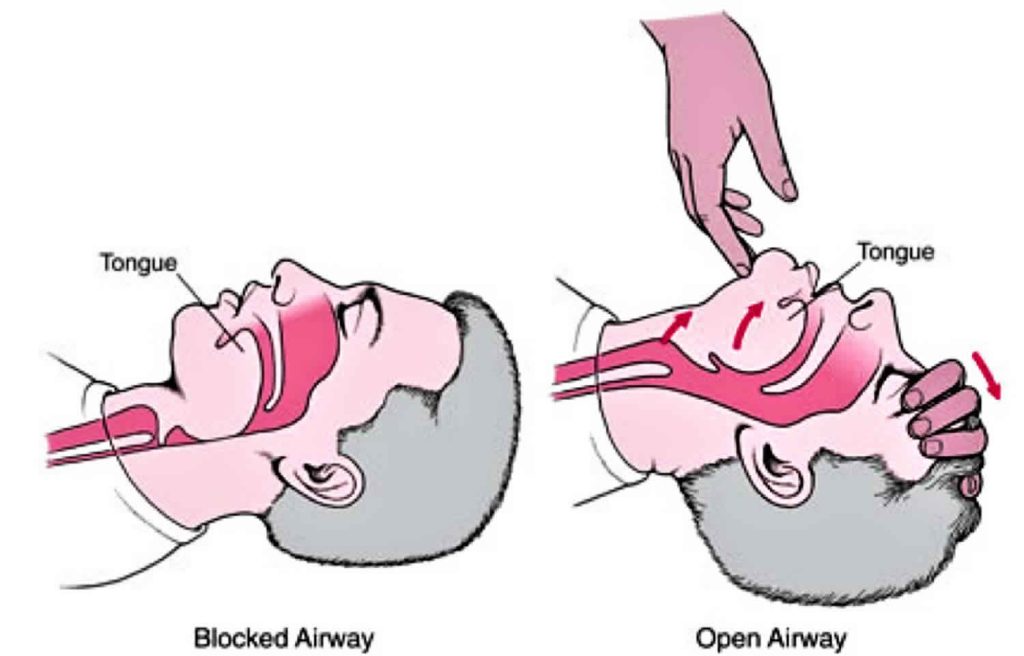
If unresponsive, gently tilt the head backward and lift the chin to open the airway.
-
If you suspect a spinal injury, do not tilt the head. Instead, gently lift the jaw without moving the neck.
🅱️ Breathing
-
Check if the person is breathing.
-
If not breathing, perform rescue breaths (mouth-to-mouth or through a cloth barrier).
-
Remember: Unconscious doesn’t always mean dead—CPR saves lives.
🅲️ Circulation
-
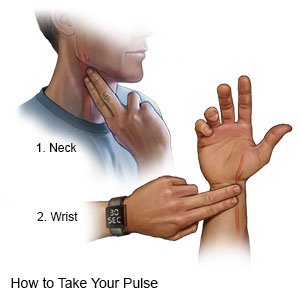
Check for a pulse:
-
At the wrist (radial pulse).
-
Or at the side of the neck (carotid pulse).
-
-
If no pulse: Start CPR immediately.
-
If there is active bleeding, apply direct pressure with a clean cloth—but be cautious if the injury is on the head or face.
Step 5: Monitor and Wait for Help
-
Keep track of:
-
Breathing rate
-
Pulse per minute
-
Level of consciousness
-
-
Keep the victim warm with clothing or a blanket.
-
Avoid giving food, drinks, or medication.
-
Once emergency personnel arrive, let them take over.
Step 6: If Help Is Not Coming Soon (Remote Areas)
-
Safely and carefully transport the victim as described above.
-
Continue monitoring them throughout the trip.
-
Drive gently to avoid jerky movements.
-
Talk to the victim to keep them calm and conscious.
Step 7: Don't Make Assumptions
-
NEVER assume someone is fine just because they’re awake or talking.
-
Some injuries take time to show symptoms (internal bleeding, head trauma). Always ensure they go to the hospital to make sure everything is fine before going home.
-
-
NEVER assume someone is dead because they are still and unresponsive.
-
Perform the ABCs and begin CPR if needed.
-
Wait for trained help to confirm death.
-
2. If You Are the One Involved in the Accident
-
First, check yourself: Are you bleeding? Can you move?
-
Call for help or alert passersby.
-
If uninjured, assist others while waiting for emergency services.
-
Even if you feel fine, go to the hospital. Some injuries show up hours later (especially head, chest, or internal trauma).
Safety Is Everyone’s Business
Every home, church, school, hotel, mall, workplace, and bus stop should have at least one trained first aider. It could be the person who saves your life—or the life of someone you love.
First aid should be taught early—starting in schools. Accidents don’t come with a warning, but your response can be the warning line between survival and tragedy.
Let’s learn. Let’s act. Let’s save lives.