Stroke - First Aid Tutorial
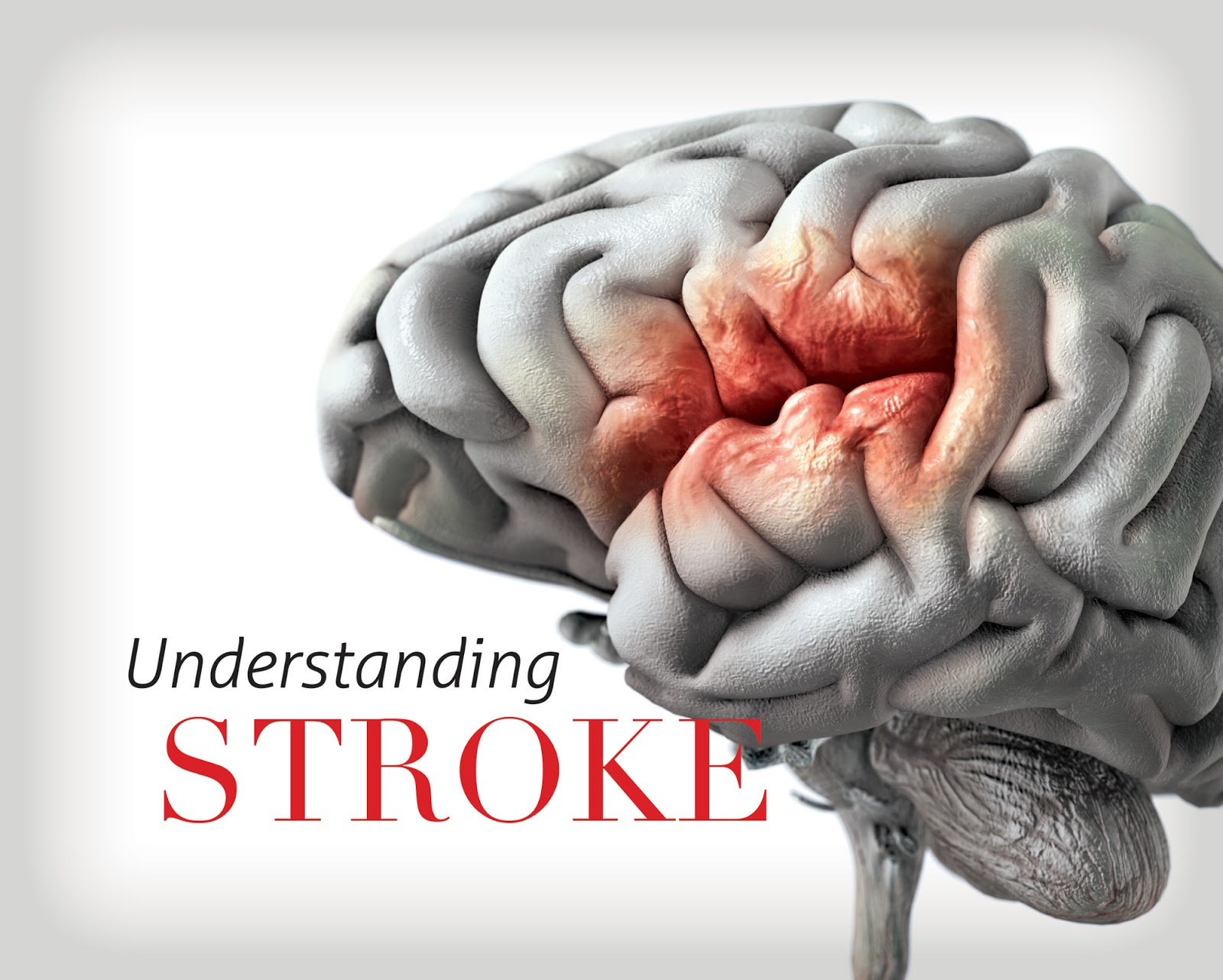
What to do when a stroke actually happens. Because when it comes to stroke, every single minute counts!
Stroke is a medical emergency that requires immediate attention. The treatments that work best to minimize brain damage are most effective when given very soon after symptoms begin—ideally within 3 hours! This is why recognizing the signs quickly and acting fast can literally save a life and improve recovery.
The Lifesaving F.A.S.T. Test
Doctors have given an incredible, easy-to-remember tool to spot the most common signs of a stroke. It's called F.A.S.T. and it's something everyone should know!
Here's how to use it:
- F is for Face Drooping: Ask the person to smile. Does one side of their face droop or look numb? Is their smile uneven? This could be a sign of muscle weakness.
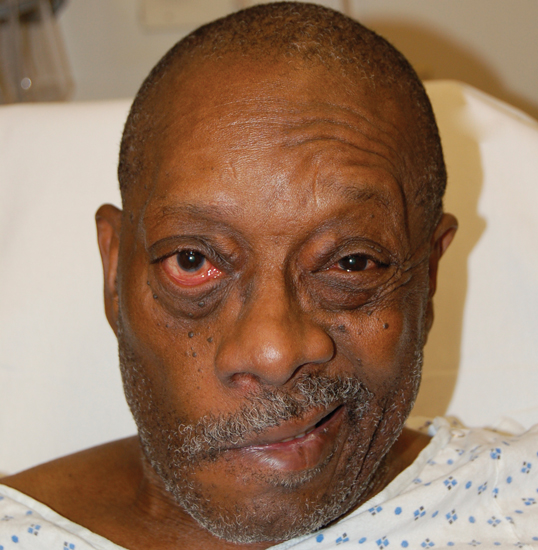
- A is for Arm Weakness: Ask the person to raise both arms. Does one arm drift downward? Or can they not raise one arm at all? This indicates weakness on one side of the body.
- S is for Speech Difficulty: Ask the person to repeat a simple phrase (like "The sky is blue"). Is their speech slurred? Do they have trouble speaking clearly or understanding what you're saying?
- T is for Time to Call 911 (or your local emergency number like 999/112 in Ghana): If you notice any one of these signs, don't wait! Call for emergency medical help immediately. Try to note the time when the symptoms first appeared – this information is incredibly helpful for healthcare providers to determine the best treatment.
Remember: Face or Arm or Speech, at the first sign, it's Time to call for help. Acting FAST gives the person the best chance of survival and recovery. Even if the symptom seems minor or comes and goes, it's still an emergency!
Other Important Stroke Symptoms to Watch For
While F.A.S.T. covers the most common signs, stroke can manifest in other ways too. Be vigilant for any sudden occurrence of:
- Numbness or weakness: Especially if it's on one side of the body, including legs, hands, or feet.
- Confusion or trouble understanding: Difficulty speaking or comprehending what others are saying.
- Vision problems: Sudden blurred vision or loss of sight in one or both eyes, or seeing double.
- Trouble walking: Dizziness, loss of balance, or lack of coordination, causing stumbling or unsteadiness.
- Severe headache: A sudden, excruciating headache with no known cause, sometimes accompanied by vomiting or dizziness.
- Memory loss or personality changes.
- Seizures or passing out.
- Neck stiffness.
If you spot any one of these signs or symptoms, do not hesitate. Call 911 (or 999/112) or seek medical help straight as soon as possible.
Why Call an Ambulance (and Not Drive)?
This is a critical point: Do NOT drive yourself or someone else to the hospital if you suspect a stroke. Unless ambulance services are not available in your region, call an ambulance (911/999/112) immediately! Here's why:
- Time is Brain: Ambulance paramedics are trained in stroke care. They can begin life-saving treatments on the way to the emergency room.
- Specialized Care: Emergency medical personnel can assess the situation sooner and ensure the person gets to the right hospital equipped for stroke treatment.
- Accurate Information: They can note the exact time symptoms began, which is crucial for determining treatment options.
What About "Mini-Strokes" (TIAs)?
As we mentioned in our previous blog, a Transient Ischemic Attack (TIA) or "mini-stroke" causes stroke-like symptoms that are temporary. Even though the symptoms might clear up on their own, a TIA is a medical emergency and a serious warning sign! It means you are at a higher risk of having a full stroke soon. If you experience TIA symptoms, you still need to call/seek for emergency help immediately so doctors can evaluate your condition and take steps to prevent a future stroke.
Being Prepared Saves Lives
Stroke can happen to anyone, at any time. Being prepared can make a huge difference:
- Learn the signs: Make sure you, your family, and friends know the F.A.S.T. test and other warning signs.
- Educate children: Teach them the F.A.S.T. test and how to call emergency services, giving your address and describing what's happening.
- Use medical IDs: If you have any medical conditions or take medications, wear a medical bracelet or have this information readily available on your phone's medical ID feature.
Myths and Misconceptions
1. Don’t wait for symptoms to improve: Stroke symptoms may come and go, but even temporary ones (called a TIA or “mini-stroke”) are a red flag for a major stroke.
2. Don’t give aspirin unless advised by a medical professional. While aspirin helps with heart attacks, it can make some types of stroke (especially hemorrhagic) worse.
3. Don’t assume the person will be fine: Stroke is not something to “sleep off” or “walk off.”