Understanding Bedwetting (Enuresis): A Guide for Parents

Bedwetting—known in medical terms as enuresis—happens when a child passes urine in their sleep after the age when most children usually stay dry. For many parents, it can feel worrying or even frustrating. But the truth is: bedwetting is common, normal, and usually temporary.
This guide breaks it down in simple language so every parent can understand what’s happening, why it happens, and what can help.
What Exactly Is Bedwetting?
By around 4 to 7 years old, most children have learned to control their bladder at night.
👉 The bladder is a small, stretchy bag inside the lower tummy that stores urine (pee) until we go to the washroom. At night, the bladder slowly fills. In most children, the brain sends a signal to either:
-
wake up and go to the toilet, or
-
hold the urine until morning.
In children who wet the bed, this connection between the bladder and the brain isn’t fully developed yet. This is not something the child can control.
Why Does Bedwetting Happen?
There are several reasons why children may wet the bed:
-
Bladder not fully developed
-
Some children’s bladders are smaller or less mature, meaning they cannot hold all the urine made during the night.
-
-
Deep sleep
-
Some children sleep so soundly that they do not wake up when their bladder is full. Even though the bladder is sending signals, the brain doesn’t respond in time.
-
-
Family history
-
Bedwetting often runs in families. If one parent wet the bed as a child, their child has a higher chance of the same. If both parents did, the chance is even higher.
-
-
Hormone imbalance
-
The body makes a special hormone at night called ADH (anti-diuretic hormone). This hormone reduces how much urine the kidneys make while we sleep. Some children don’t yet make enough ADH, so their body produces too much urine at night.
-
-
Constipation
-
The bowel is the long tube that carries waste (poop) out of the body. When a child is constipated (meaning poop is hard or not passed often), the bowel becomes full and presses on the bladder. This pressure makes it harder for the bladder to hold urine.

-
-
Stress or emotional changes
-
Starting school, moving house, the birth of a sibling, or family stress can sometimes cause temporary bedwetting, even in a child who was already dry at night.
-
-
Medical causes (rare)
-
Problems like urinary tract infections (infections in the pee system), diabetes, or sleep disorders can sometimes be linked. But these are uncommon.
-
Myths and Misunderstandings
Because many people don’t know the real reasons behind bedwetting, myths are common. Let’s clear them up:
-
“My child is lazy.”
Not true. A child cannot control bedwetting while asleep. It has nothing to do with laziness. -
“Punishing will fix it.”
Wrong. Punishment increases shame, stress, and fear. This can actually make bedwetting worse. -
“They drink too much water.”
Not exactly. Drinking a lot right before bed may increase wetting, but the real issue is bladder control and brain–bladder communication. Children still need healthy amounts of water during the day. -
“It will never stop.”
False. Most children outgrow bedwetting as their body develops. Only a small percentage continue into teenage years or adulthood.
What Parents Can Do to Help

Here are some simple, effective ways parents can support their child:
1. Stay Calm and Supportive
Children already feel embarrassed when they wet the bed. They don’t need scolding. Comfort them and let them know many children go through this.
2. Encourage Good Toilet Habits
-
Remind your child to use the toilet regularly during the day (every 2–3 hours).
-
Always encourage a toilet visit right before bedtime.
3. Watch Evening Drinks
-
Reduce drinks in the last hour before sleep.
-
Avoid fizzy drinks, tea, coffee, or chocolate in the evening—they can irritate the bladder or act as mild diuretics (make the body produce more urine).
-
Don’t completely stop fluids—children still need water, especially in hot climates.
4. Use Protective Bedding
Waterproof mattress covers and extra sheets make cleanups easier. This reduces stress for both child and parent.
5. Positive Reinforcement
Use praise or small rewards for dry nights. A sticker chart or verbal encouragement builds confidence.
6. Bedwetting Alarms
These are special devices placed in the child’s underwear or bed. If the child starts to wet, the alarm rings or vibrates, waking them up to finish in the toilet. Over time, this teaches the brain to respond earlier to a full bladder.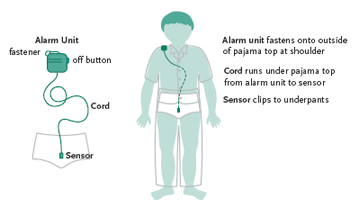
7. Manage Constipation
Ensure your child eats fruits, vegetables, and drinks enough fluids during the day to keep bowel movements regular. Soft, daily stools reduce bladder pressure.
8. When to See a Doctor
Most children outgrow bedwetting, but there are times when medical help is needed. If it continues beyond age seven with no signs of improvement, or if a child who was dry begins wetting again, it may point to an underlying problem. Bedwetting that comes with pain, blood in the urine, or daytime accidents should also be checked. In addition, children who snore heavily or struggle to breathe during sleep should be seen by a doctor.
Will My Child Outgrow Bedwetting?
Yes—most children outgrow it naturally. About 15 out of every 100 children improve each year without treatment. By the teenage years, only a small number still have bedwetting, and those children may benefit from medical support.
Final Words for Parents
Bedwetting can feel stressful for both children and parents, but it is a normal stage for many families. The most important thing is to stay patient and supportive. Bedwetting is not the child’s fault, and with time, healthy routines, and reassurance, most children will overcome it.