Understanding Drug Abuse
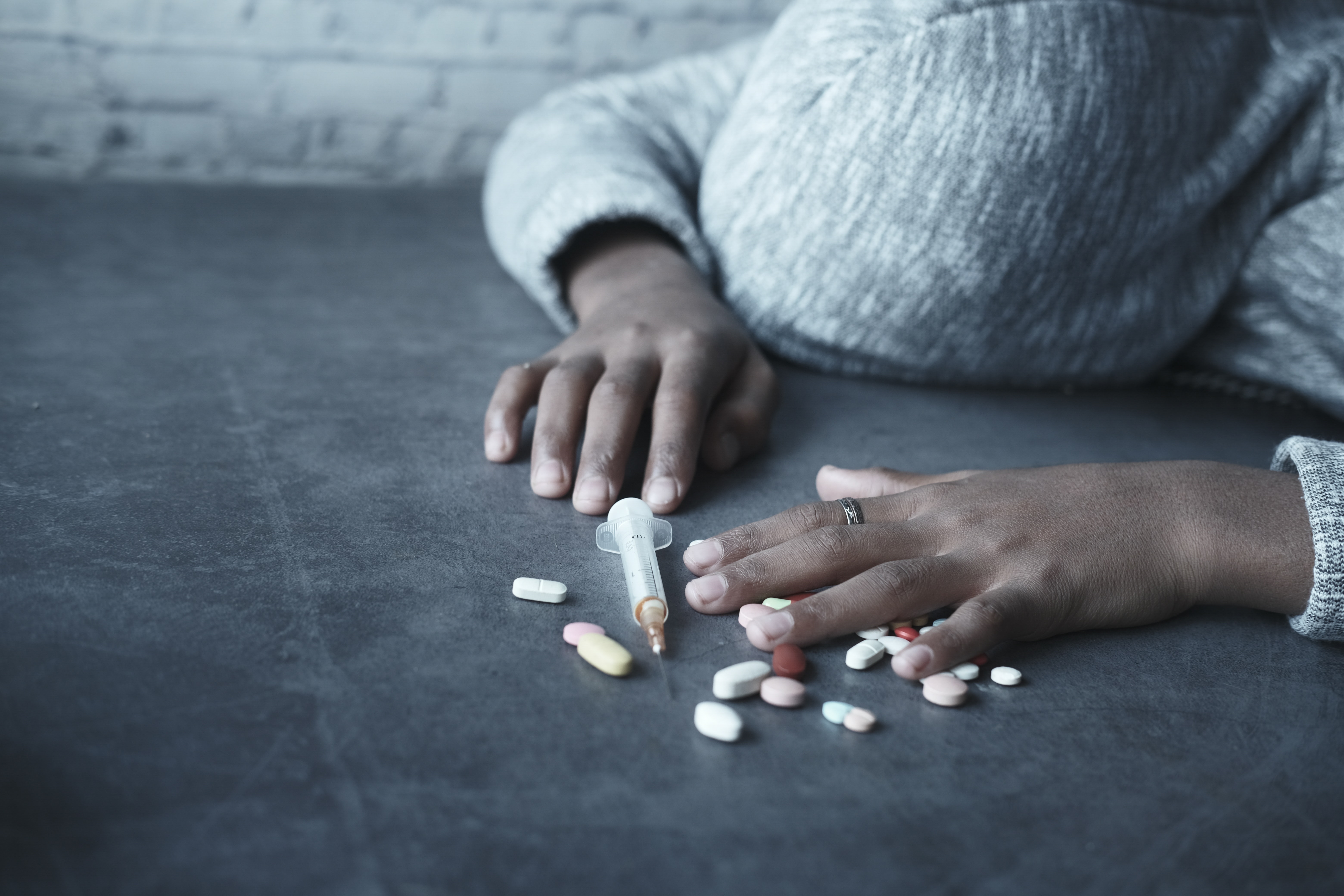
Have you ever wondered why some people turn to drugs—and why it’s so hard for them to stop?
Drug abuse isn’t just about “bad choices” or rebellion. It’s often a cry for help, an escape from pain, or a misguided attempt to feel better. Whether it's prescription pills, alcohol, or street drugs, the misuse of substances affects not just the person using them but also their loved ones and entire communities.
In this post, we take a gentle but honest look at what drug abuse really means—why it happens, how it affects the brain and body, and why recovery is possible with the right support. Whether you're worried about someone you love or just want to understand the issue better, you're in the right place. Our goal is to provide clear, accessible information that empowers you to understand, identify, and, if needed, seek help for yourself or a loved one. We believe that knowledge, shared with empathy, is the first step towards healing and recovery.
What Exactly Is Drug Abuse?
At its core, drug abuse refers to the harmful and excessive use of substances – whether legal or illegal – that leads to distress in a person's physical, mental, or emotional health. It's not just about illegal drugs; it can also involve the misuse of prescription medications, over-the-counter remedies, alcohol, and even inhalants. The key here is "misuse" – taking substances in a way that causes negative effects on an individual's health, behavior, relationships, and overall well-being.
Different Types of Drug Abuse
Drug abuse isn't a single issue; it encompasses various forms of substance misuse, each with its own challenges and risks:
1. Alcohol Abuse
This is a common form of substance misuse, characterized by excessive and harmful consumption of alcoholic beverages. It can lead to health problems, impaired judgment, and strained relationships.
Street/Common Names: Akpeteshie, dry gin, spirit, schnapps, bitters, star, club, mandingo, small stout, shots, 'a tot', 'knockout' brews, hard liquor, booze, hooch, firewater, sauce, knockouts.
2. Prescription Drug Abuse
This involves misusing medications prescribed by healthcare professionals. This can include taking higher doses than prescribed, using medications for non-medical reasons, or using someone else's prescription. Common culprits include painkillers, sedatives, and stimulants.
-
Painkillers (Opioids): tramadol, oxycodone, codeine
Street Names: Tramol, Trams, Cody, Oxy, Vikes, Percs -
Sedatives (Benzodiazepines): diazepam, alprazolam, lorazepam
Street Names: Valium, Xannies, Benzos, Downers, Blues -
Stimulants (ADHD Meds): methylphenidate, amphetamines
Street Names: Ritalin, Addys, Uppers, Speed, Smart Pills
3. Illicit Drug Abuse
This refers to the misuse of illegal substances like cocaine, heroin, and methamphetamine. These substances can have severe physical and mental health consequences, often leading to legal issues.
-
Cocaine: powerful stimulant
Street Names: Coke, Snow, Blow, White, C, Nose Candy -
Heroin: potent opioid derived from morphine
Street Names: Smack, H, Dope, Brown, Junk, Horse -
Methamphetamine: highly addictive stimulant
Street Names: Crystal, Ice, Meth, Tina, Crank, Shards
4. Over-The-Counter (OTC) Meds Abuse
Even seemingly harmless non-prescription medications, like cough syrups or pain relievers, can be harmful when taken in excessive amounts or for purposes other than their intended use.
-
Street Names: Robo, Triple C, Skittles, Red Devils, Purple Drank, Lean
5. Inhalant Abuse
This occurs when individuals intentionally inhale fumes from household products such as glue or paint thinners. This dangerous practice can lead to immediate and long-term health issues, including damage to the brain and other organs.
-
Street Names: Huff, Poppers, Snappers, Whippets, Air Blast, Rush

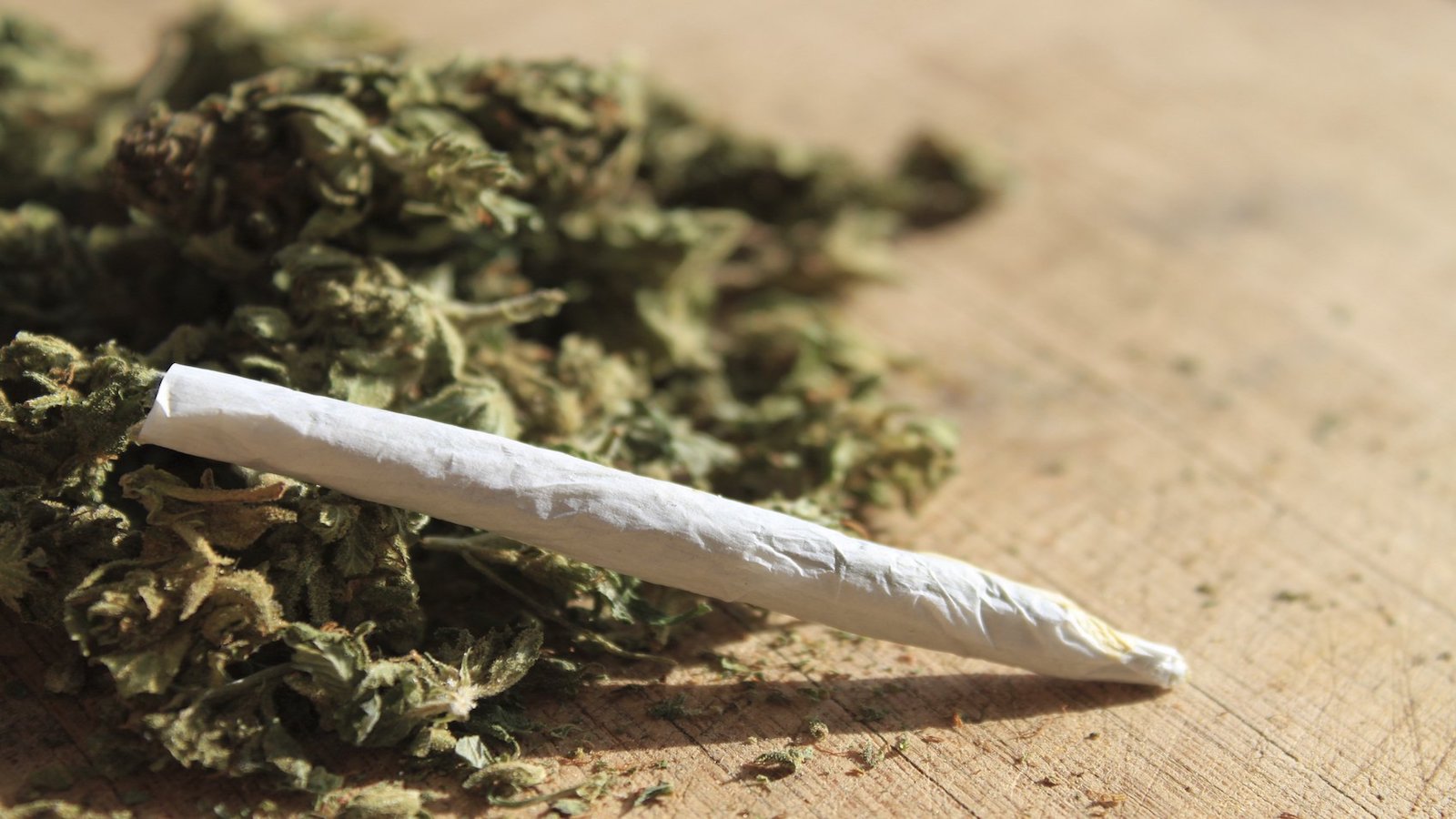
6. Cannabis Abuse
Despite growing legalization, excessive use of marijuana or THC-containing products can still lead to negative health outcomes and impaired cognitive function.
Street Names: Weed, Pot, Mary Jane, Ganja, Dope, Reefer, Bud, Chronic, Skunk, Kush, Loud
7. Club Drugs Abuse
These include substances like MDMA (ecstasy), ketamine, and GHB, often misused in social settings. Their use carries heightened risks of dehydration, overheating, and other dangerous side effects.
What Leads to Drug Abuse?
Drug abuse is a complex issue, often stemming from a combination of factors:
1. Biological Factors
Our genes and brain chemistry can play a role. Genetic factors can increase susceptibility to addiction, and imbalances in brain neurotransmitters can impact how an individual responds to substances —personal choices, environment, and support systems also matter greatly.
2. Psychological Factors
Underlying mental health conditions such as depression, anxiety, or trauma can drive individuals to use substances as a form of self-medication. Low self-esteem, poor coping mechanisms, and a lack of healthy stress management skills also contribute.
3. Environmental Factors
The environment we live in significantly influences drug abuse. This includes family dynamics, socioeconomic status, community characteristics, and the availability of drugs. Exposure to a drug-friendly environment can increase the likelihood of substance experimentation and abuse.
4. Social Factors
Peer pressure, societal norms, and cultural attitudes toward drug use can contribute to substance abuse. The desire to fit in or conform to social expectations can drive individuals to engage in drug-related behaviors.
5. Developmental Factors
Adolescence and young adulthood are critical periods for identity exploration and independence. Experimentation with drugs may be part of this exploration, and developmental factors can contribute to the initiation and continuation of substance abuse. Starting drug use when young can particularly impact developing brains, increasing the risk of addiction later in life.
Identifying Drug Abuse
Recognizing the signs of drug abuse is crucial for seeking help. These signs can manifest in various ways, affecting a person physically, psychologically, and behaviorally.
Physical Signs
- Changes in Appearance: Sudden weight loss or gain, red eyes, dilated or constricted pupils, poor hygiene, track marks (for injected drugs), or unusual smells.
- Physical Health Issues: Frequent illnesses, chronic fatigue, tremors, slurred speech, impaired coordination, or unexplained injuries.
- Changes in Appetite and Sleep Patterns: Significant changes in eating habits, insomnia, or oversleeping.
Psychological Signs
- Mood Swings: Rapid shifts in mood, unexplained irritability, aggression, anxiety, or depression.
- Mental Health Changes: Confusion, impaired cognition, memory problems, paranoia, hallucinations, or delusions.
- Changes in Emotional State: Heightened euphoria, extreme sadness, or a noticeable lack of emotional responsiveness.
Behavioral Signs
- Changes in Social Circles: Withdrawal from family and friends, sudden shifts in social groups, or increased isolation.
- Neglect of Responsibilities: Decline in performance at work or school, neglect of personal responsibilities, or financial difficulties.
- Engagement in Risky Behavior: Reckless driving, stealing, lying, secretive behavior, or legal problems.
If you consistently observe several of these signs, it may be a cause for concern, and seeking professional help is advisable. The specific signs and symptoms can also vary depending on the drug being abused.
The Effects of Drug Abuse
Drug abuse can have far-reaching consequences across various aspects of an individual's life:
Physical Effects:
- Health Complications: This can include cardiovascular problems, liver damage, respiratory issues, and increased susceptibility to infections.
- Changes in Appearance: Some drugs can cause physical changes like skin problems, weight fluctuations, dental issues, and a general deterioration in overall appearance.
- Addiction and Withdrawal: Physical dependence can develop, leading to uncomfortable and sometimes life-threatening withdrawal symptoms when the drug is not used.
- Higher Risk of Overdose: Overuse or misuse of drugs significantly increases the risk of overdose, which can be fatal.
- Cognitive Impairment: Drug abuse can impair cognitive functions like memory, attention, and decision-making abilities.
- Mental Disorders: Prolonged drug abuse might trigger or worsen mental health issues such as anxiety or depression.
- Emotional Instability: Erratic mood swings, increased irritability, and emotional instability are common consequences.
- Psychosis: Some substances can induce hallucinations, paranoia, and psychosis.
- Relationship Strain: Drug abuse often leads to conflicts and strains relationships with family, friends, and colleagues.
- Social Isolation: Individuals may withdraw from social activities, leading to loneliness and further psychological issues.
- Legal Issues: Substance abuse can result in legal problems, including arrests, fines, and imprisonment, particularly with illegal substances.
- Financial Problems: Maintaining a drug habit can be costly, leading to financial strain, job loss, or even theft to support the addiction.
These effects can vary based on the type of drug, frequency of use, individual tolerance, and other personal factors. Seeking help and support is crucial to addressing these challenges and mitigating the impact of drug abuse.

What to Do If You or Someone You Know Is Struggling With Drug Abuse
1. Acknowledge the Problem
The first and most important step is recognizing that there is a problem. Denial only delays healing. Whether it's you or someone close to you, awareness opens the door to recovery.
2. Talk to Someone You Trust
Open up to a family member, friend, teacher, or spiritual leader. You don’t have to go through it alone. Talking is often the beginning of healing.
3. Seek Professional Help
Look for a qualified healthcare provider, counselor, or addiction specialist. Treatment options may include therapy, medical support, or rehabilitation programs.
4. Avoid Judgment and Shame
Understand that addiction is a health issue, not a moral failure. Treat yourself or others with compassion—guilt and shame can worsen the problem.
5. Build a Support System
Recovery is easier with community. Support groups, whether local or online, provide encouragement and accountability throughout the journey.
6. Focus on Healthy Coping
Stress, loneliness, and trauma often drive substance use. Learn healthy ways to cope, such as exercising, journaling, or engaging in hobbies.
7. Take It One Day at a Time
Recovery isn’t instant. There may be relapses, but progress is possible. Every small step forward counts.
Resources and Support
1. Healthcare Providers (Doctors, Nurses, Psychiatrists)
-
Why: Medical professionals can offer diagnosis, detox assistance, referrals to rehab, and medications if needed.
-
Where: Local hospitals, clinics, mental health centers.
2. Mental Health Professionals (Psychologists, Therapists, Counselors)
-
Why: They help explore the root causes of addiction and offer coping strategies.
-
Where: Private practices, NGOs, schools, or faith-based centers.
3. Helplines and Support Hotlines
These offer confidential support and immediate help:
Africa-Based Examples
-
Ghana: Mental Health Ghana (SADAG)
-
Helpline: 0800678678
-
Website: mha-ghana
-
-
South Africa: South African Depression and Anxiety Group (SADAG)
-
Helpline: +27 800 567 567
-
Website: sadag.org
-
-
Nigeria: NDLEA (National Drug Law Enforcement Agency)
-
Offers counseling and referral services.
-
Website: ndlea.gov.ng
-
Global Support Hotlines:
-
WHO Mental Health Support: Check their country-specific programs.
-
International Narcotics Anonymous (NA):
-
Website: na.org → Search for meetings by region.
-
-
UNODC (UN Office on Drugs and Crime):
-
unodc.org offers global support tools and resources.
-
4. Addiction Treatment & Rehabilitation Centers
These centers offer structured programs (detox, therapy, group support).
-
Public or private rehabs exist in many countries.
-
Use Google Maps or ask a doctor for local referrals.
5. Faith-Based and Community Support Groups
-
Many churches, mosques, and local NGOs run outreach programs, group therapy, or support meetings.
-
Example: Celebrate Recovery (Christian-based recovery program) has international reach.
6. Peer Support Groups
-
Narcotics Anonymous (NA)
-
Alcoholics Anonymous (AA)
7. Online Therapy and Recovery Platforms
Ideal if local access is limited:
-
BetterHelp: Offers therapy worldwide.
-
Therapists Without Borders: Some work pro bono in underserved areas.
-
7 Cups: Free peer support and counseling options.
8. Family and Trusted Friends
-
Starting with someone safe and trusted can reduce shame and fear.
-
They can assist in finding professional help or act as emotional anchors.
Emergency Situations
-
If overdose or harm is imminent, call emergency services immediately.
-
Most countries have an ambulance or emergency line (like 112 or 999 or 919 or 911).
SHARE THIS POST AND SAVE A LIFE.
Someone out there needs it more than you know.