Understanding Fibroids
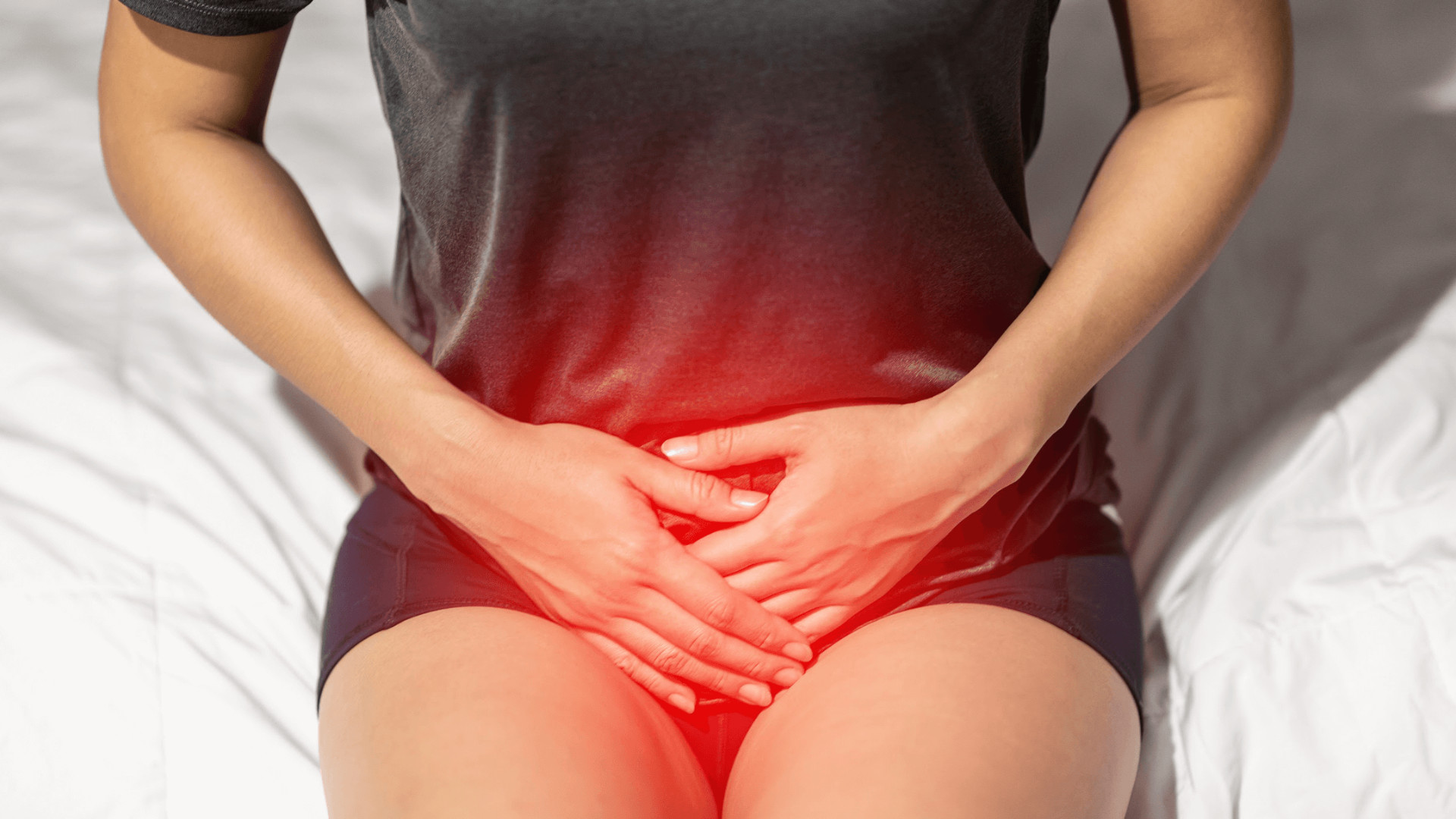
Fibroids are one of the most common health issues affecting women, yet many people know little about them. Some women live with fibroids without symptoms, while others experience pain, heavy bleeding, or fertility struggles. Because the symptoms often overlap with other conditions, fibroids can go undiagnosed for years. This writing explains what fibroids are, why they matter, and how they can be managed.
What Are Fibroids?
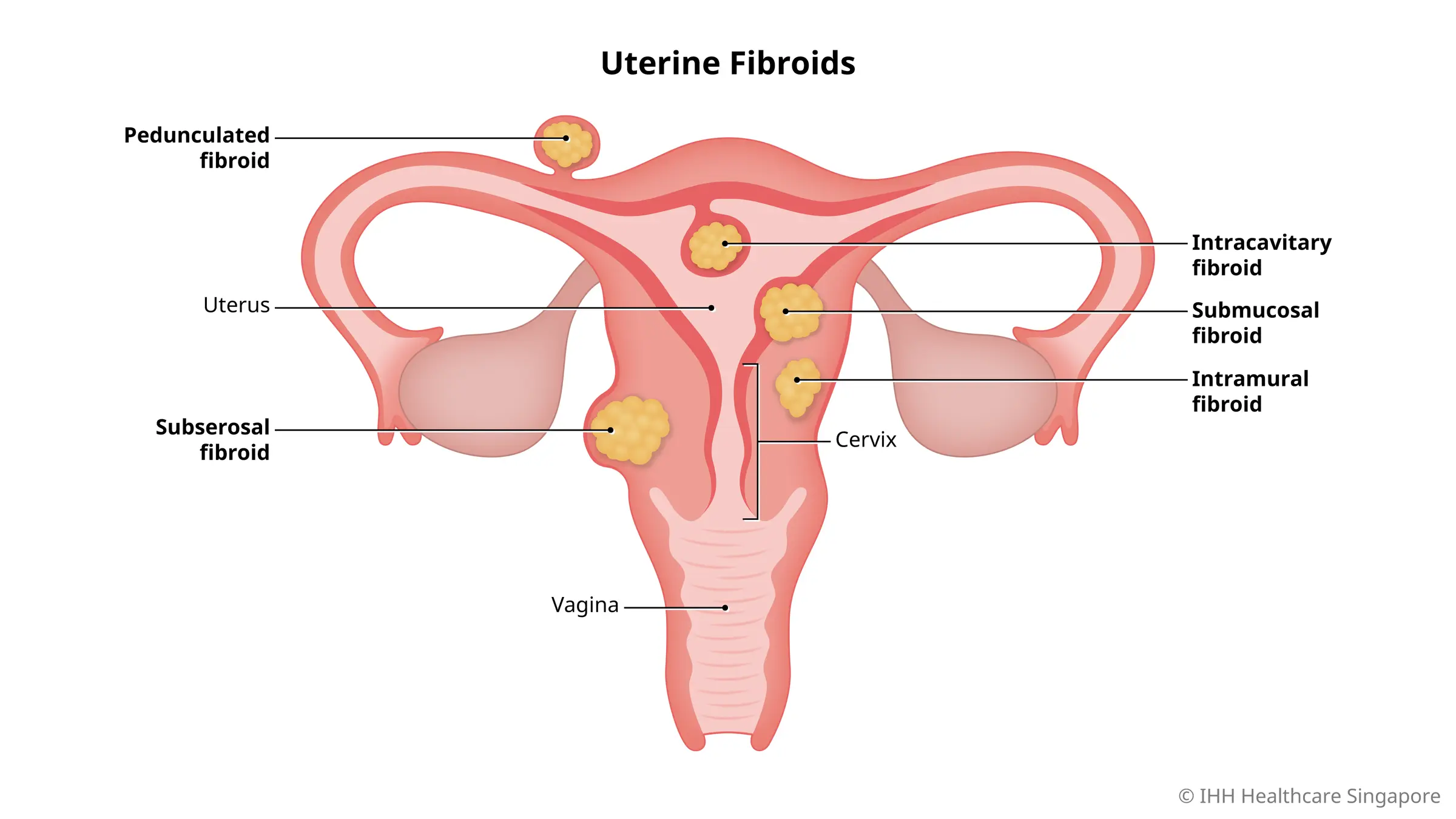
Fibroids are non-cancerous lumps that grow in or around the womb, which is the place where a baby develops during pregnancy. They are made of the same kind of muscle and tissue that makes up the womb itself. These lumps can be as small as a seed or so large that they press on other organs. A woman may have just one fibroid or many at the same time. They can also appear in different places: inside the wall of the womb, on the outside, or even hanging inside the space where a baby would grow. The most important thing to understand is that fibroids are, most of the time, not cancer. They are not usually life-threatening, but if they are not managed, they can cause pain, discomfort, and other health problems.
Who Gets Fibroids?
Fibroids are very common. Most women will develop them at some point, especially during their childbearing years (roughly from their 20s to their 40s). They usually stop growing or even shrink after menopause, when a woman’s monthly periods naturally end.
Some factors make fibroids more likely:
-
Age: They are most common in women between 30 and 50.
-
Family history: If your mother, sister, or grandmother had fibroids, you may get them too.
- Nulliparity: If you have not had children as you age, it increases your chances of getting fibroids.
-
Hormones: Fibroids grow when the body makes higher levels of certain female hormones (like estrogen and progesterone, which are responsible for monthly periods and pregnancy).
-
Other reasons: Being overweight, starting your periods very early in life, or certain lifestyle habits can also play a role.
But here’s the simple truth: any woman of childbearing age can have fibroids — even without these risk factors.
Symptoms to Look Out For
Some women with fibroids have no signs at all, and only find out during a check-up or scan. But for many others, the symptoms can disturb daily life. Here are the most common ones:
-
Heavy periods — bleeding much more than usual, sometimes with large blood clots.
-
Longer periods — bleeding that lasts more than 7 days.
-
Severe stomach or lower back pain — cramps that are worse than the usual period pain.
-
Swollen belly — sometimes big enough to make a woman look pregnant when she isn’t.
-
Needing to urinate often — if fibroids press on the bladder.
-
Constipation or difficulty passing stool — if fibroids press on the bowel.
-
Pain during sex — depending on where the fibroid is located.
-
Trouble getting pregnant or miscarriages — if fibroids interfere with the womb’s ability to carry a baby.
These problems are not “just part of being a woman.” They are warning signs from the body that something needs attention.
Treatment Options
Treatment depends on the size, number, and location of fibroids, as well as a woman’s age and whether she wants to have children. Options include:
-
Medication: To control heavy bleeding or shrink fibroids temporarily.
-
Non-surgical procedures: Such as uterine artery embolization, which blocks blood supply to fibroids so they shrink.
-
Surgery:
-
Myomectomy removes fibroids while keeping the uterus intact.
-
Hysterectomy removes the uterus completely and is a permanent solution.
-
-
Lifestyle management: While lifestyle changes cannot cure fibroids, maintaining a healthy weight, eating a balanced diet, and managing stress may help improve overall health.
When to Seek Medical Help
Women should see a healthcare provider if they notice unusually heavy or painful periods, pelvic pressure, or difficulty conceiving. Fibroids are not life-threatening in most cases, but untreated symptoms can seriously affect quality of life.