Understanding Life with Asthma

Many people have heard the word “asthma,” but few truly understand what it means. Is it just occasional breathlessness? Can it be cured? What triggers it—and how dangerous is it, really?
This post is your chance to get clear, simple answers. Whether you're living with asthma, know someone who is, or just want to be informed, we’re breaking it down: what asthma is, how it affects the body, and the steps you can take to manage it safely—especially in our local setting where myths and misinformation still exist.
What Exactly Is Asthma?
Asthma is a chronic condition that affects the airways in your lungs, making it hard to breathe when triggered. These triggers can vary from person to person — dust, smoke, cold air, exercise, stress, or even strong smells. When a trigger hits, the airways become inflamed and narrowed, and the muscles around them tighten, causing symptoms like:
- Tightness in the chest
- Coughing
- Shortness of breath
- Wheezing (a whistling sound when breathing)
Some people have mild symptoms occasionally. Others live with frequent attacks that disrupt their daily lives or send them to the emergency room.
What Can Set Off Asthma?
Asthma is a sensitive condition, and certain things can make symptoms worse or spark an attack. These are called "triggers." While everyone's triggers differ, common ones include:
- Allergens: Dust, pollen, mold, animal fur or feathers.
- Irritants: Smoke (including tobacco smoke), strong perfumes, chemical fumes.
- Environmental Factors: Cold air, sudden changes in weather, air pollution.
- Infections: Colds and other viral respiratory infections.
- Physical Activity: Exercise can be a trigger for some.
If you experience these symptoms, it's always best to chat with a healthcare provider. They can help determine if it's asthma or another condition.
What Causes Asthma?
While it's often hard to pinpoint a single "cause," a mix of factors can increase someone's risk of developing asthma.
- Family History: If close relatives like parents or siblings have asthma, your risk increases.
- Other Allergies: People with conditions like eczema or hay fever (allergic rhinitis) are more prone to asthma.
- Early Life Events: Low birth weight, prematurity, or exposure to tobacco smoke and air pollution in early life can affect lung development.
- Environmental Exposures: Indoor and outdoor air pollution, house dust mites, and certain chemicals or dusts at work can contribute.
- Weight: Being overweight or obese can also increase the risk.
Managing Asthma for a Full Life
The good news is asthma cannot be cured, but it can absolutely be managed! With the right treatment, people with asthma can lead completely normal, active lives, participate in sports, and enjoy their daily activities without constant worry.
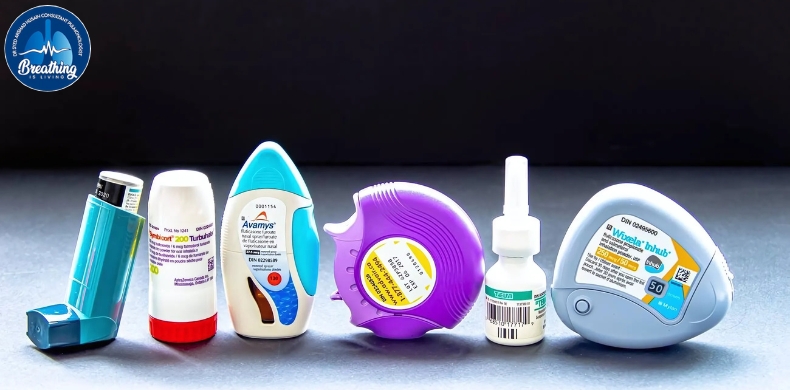
The most common and effective treatment involves inhalers, which deliver medicine directly to the lungs. See a licenesed health professional first if you are asthmatic and need an inhaler.
Beyond Medication
1. Know Your Triggers.
Once you identify what sets off your asthma, you can take steps to avoid them. This might mean improving home ventilation, cleaning regularly to minimize dust mites, or avoiding strong perfumes.
2. Follow Your Asthma Action Plan:
Your healthcare provider can give you a personalized plan that outlines exactly what to do when symptoms worsen, how to adjust medication, and when to seek emergency care. This plan puts you in control!
3. Stay Healthy
Regular exercise (with proper management), maintaining a healthy weight, and addressing other health issues like severe heartburn can all contribute to better asthma control.
“It’s Not That Serious” — Yes, It Is
One of the biggest challenges people with asthma face is not just the disease — it’s being dismissed.
In many communities, asthma is misunderstood. People think it’s just being “weak” or “too sensitive.” You may hear someone say, “Oh, you’re just looking for attention,” or “You’ll grow out of it.” Because of this, many people suffer in silence or hide their inhalers.
But here’s the truth: asthma can kill. Without proper management, a severe attack can block the airways completely. And when a person can’t breathe, they can die within minutes.
Living with Asthma
For someone with asthma, managing the condition often means carrying an inhaler everywhere — and not because they want to. The inhaler (especially the blue one — a quick-relief bronchodilator) is literally a lifeline.
Some people need to use their inhaler before exercise. Others need it the moment they feel tightness or wheezing. There are also preventive inhalers (like the brown one) used daily to reduce inflammation.
Know this:
Asthma isn’t just triggered by cold air or dust. Stress, strong perfumes, intense laughter, or even humidity can set it off. It can strike anytime, anywhere — during sleep, school, church, or work.
The Stigma Is Real — And It Hurts
In many African communities, having asthma comes with shame and stigma. Some people are teased at school or made to feel like a burden. Others are told it’s spiritual or a curse. You might hear things like:
“Are you sure it’s not witchcraft?
“You need deliverance, not medicine.”
“It’s because your mother didn’t take care of you.”
These ideas are dangerous. They stop people from seeking medical help. They lead families to prayer camps while completely negleting medical care, and often, children and adults alike suffer unnecessarily — or even die — because of ignorance. While faith and spiritual support are important to many families, they should go hand in hand with seeking medical care.
What Should You Do During an Asthma Attack?
- If someone is having an asthma attack:
- Stay calm. Panic makes breathing worse.
- Help them sit upright — not lying down.
- Let them use their reliever inhaler (blue inhaler) — usually two puffs, repeated every 30–60 seconds if needed, up to 10 puffs.
- If there’s no improvement within 10 minutes, call for medical help immediately, or take them to the nearest health facility if help will delay.
Do not give cold water, herbs, or start praying before helping them breathe. You can pray while getting them proper help.
And if you're the one with asthma, never be ashamed to use your inhaler in public. It’s better to breathe than to “fit in.”
Let’s Talk About Support
If you know someone with asthma:
- Don’t downplay their condition.
- Don’t mock or make jokes.
- Learn to recognize their symptoms.
- Support them emotionally and physically — especially during attacks.
- For families, teachers, partners, and coworkers: educating yourself about asthma can literally save a life.
:max_bytes(150000):strip_icc()/GettyImages-1171159508-5c06e55c88fe41699a8346120418f77e.jpg)
Asthma Is Manageable
Asthma has no cure yet — but with proper treatment and understanding, people with asthma can live full, healthy lives. Many are doctors, athletes, teachers, parents, and leaders. They just need the right support, medication, and environment.
Let’s break the silence and stigma. Let’s stop calling it “just small breathing wahala” or “a spiritual problem.” It’s a medical condition — and with your help, we can make life easier for those living with it.
Know someone with asthma? Share this post. You might just save a life.