Understanding Tuberculosis
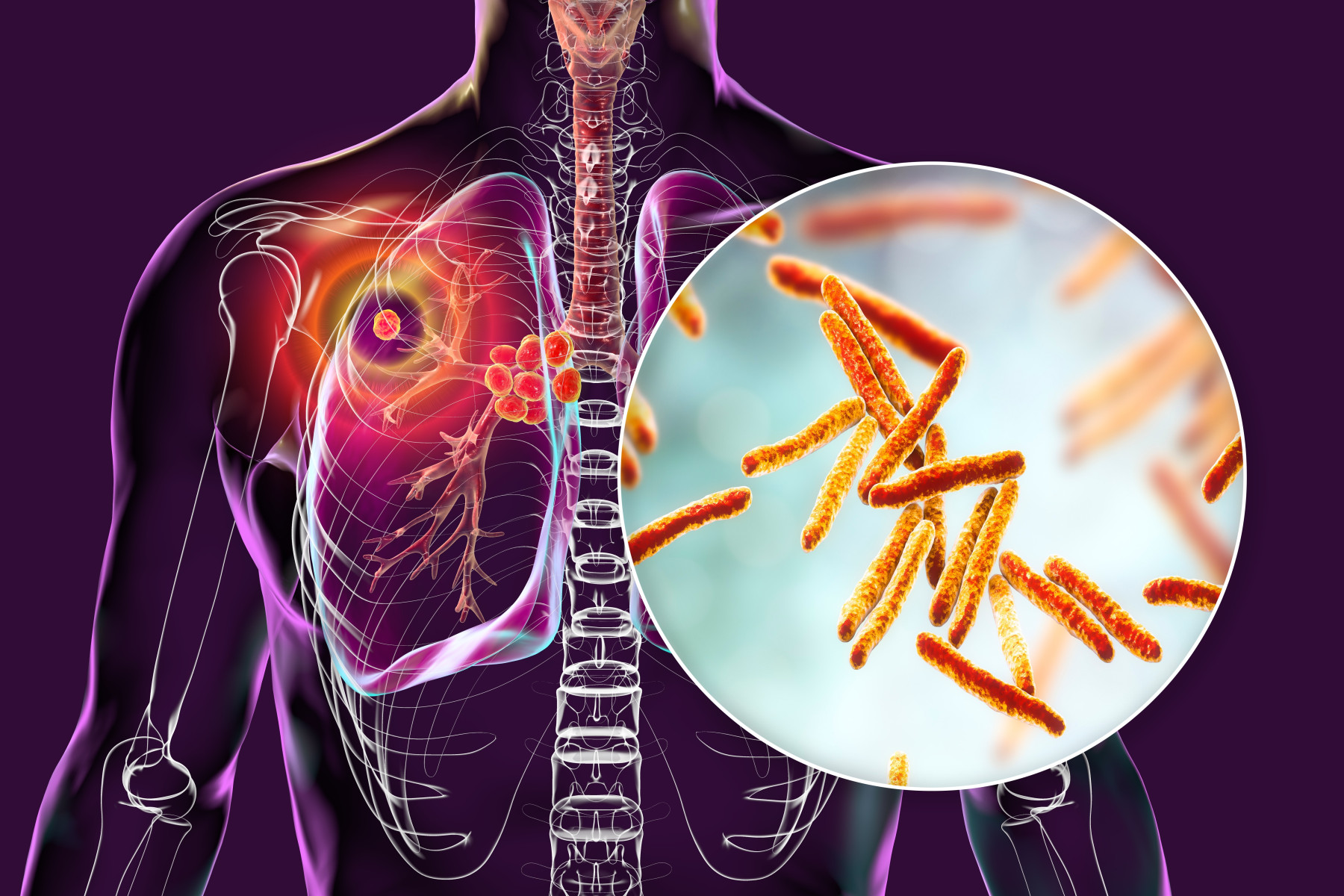
Tuberculosis — most people call it TB — is a serious but often misunderstood disease. It’s been around for centuries, and it still affects millions of people worldwide. In Ghana and across Africa, it’s an important health issue that touches families, communities, and health systems.
What Is TB?
TB is an infection caused by bacteria that usually attacks the lungs, although it can affect other parts of the body. A person with active TB in their lungs can spread the bacteria through the air when they cough, sneeze, sing, or even talk. It doesn’t spread through shaking hands, sharing food, or casual contact.
TB is both preventable and curable, especially when it’s detected early and treated properly.
How Does TB Affect People?
Not everyone who carries the TB germ gets sick. There are two main forms:
-
Latent TB infection: The bacteria live quietly in the body without causing symptoms and cannot spread to others.
-
Active TB disease: The bacteria multiply and cause illness that can be spread to others.
Common Symptoms to Watch For
If TB becomes active, common signs include:
-
A cough lasting three weeks or more
-
Chest pain
-
Coughing up blood
-
Unexplained weight loss
-
Night sweats
-
Fever and fatigue
If you notice any of these signs — especially if they don’t go away — it’s important to visit a health facility.
Who Is at Higher Risk?
TB can affect anyone, but some factors increase the risk of becoming sick:
-
People with weakened immune systems, like those living with HIV
-
Individuals with malnutrition
-
People with diabetes
-
Those exposed to someone with active TB for a long time
In Ghana, children and adults living in crowded homes or working in close, busy places may have more exposure to TB germs. This makes awareness and early action important for everyone.
How Is TB Treated & Prevented?
Treatment:
TB is usually treated with a course of medicines that people take every day for several months. It’s very important to finish the full course — stopping early can allow the bacteria to become stronger and harder to treat.
Vaccination:
Some countries give a vaccine called BCG to babies. It helps protect young children from severe forms of TB.
Prevention:
Simple steps can help reduce the spread of TB:
-
Cover your mouth and nose when coughing
-
Improve airflow at home and in public spaces
-
Get tested if you have symptoms
-
If you’re at high risk (e.g., living with HIV), regular TB screening is recommended
Tuberculosis may seem like a distant term, but it’s part of life in many Ghanaian and African communities. Understanding what it is, how it spreads, and how to prevent and treat it empowers you to make smart decisions about your health and the health of those around you. With community support, access to health services, and accurate information, TB can be stopped.