Using Soap or Detergent to Wash Your Vagina
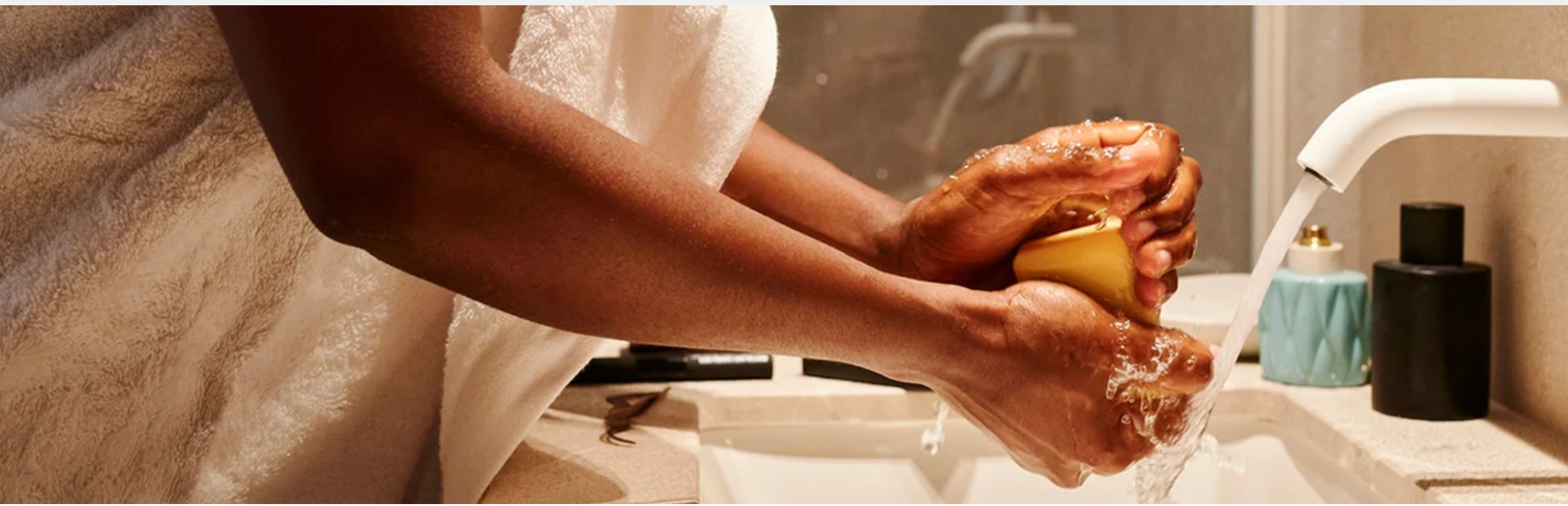
The vagina is a naturally self-cleaning organ. Yes, you read that right! It is designed to stay healthy on its own, thanks to its natural balance of good bacteria and slightly acidic pH. When you use soap—especially scented or harsh ones—you can upset that balance, leading to infections, dryness, and irritation.
This is especially important in communities where hygiene practices are passed down without modern understanding of female anatomy. Let’s break this down in a way that’s clear and easy to understand.
Why Soap and Detergents Are a Bad Idea
1. They Disrupt Natural pH Balance
The vagina naturally maintains a slightly acidic pH—typically between 3.8 and 4.5—which helps keep harmful bacteria and yeast in check. Most soaps and detergents, however, are alkaline in nature (with pH values of 9 or higher). When used in or around the vagina, these products raise the pH level, upsetting the natural balance. This makes the environment more favorable for harmful bacteria and yeast to grow, increasing your risk of irritation and infection.
2. They Kill Good Bacteria
The vagina is home to beneficial bacteria, primarily Lactobacillus, which play a crucial role in maintaining vaginal health. These bacteria produce lactic acid, hydrogen peroxide, and other substances that prevent overgrowth of harmful organisms. Unfortunately, soap—especially those with antibacterial agents or harsh chemicals—can kill off these protective microbes. The result? Increased vulnerability to infections like bacterial vaginosis (BV) and yeast infections.
3. They Increase the Risk of Infection
Many soaps, especially scented or antiseptic ones, can irritate the sensitive skin of the vulva and vaginal opening. This irritation can lead to micro-tears in the mucous membrane, weakening the skin’s natural barrier. These tiny tears act as entry points for bacteria and viruses, significantly increasing your chances of getting infections, including UTIs and STIs.
4. They Can Cause Dryness and Itching
Your vagina and vulva are designed to stay naturally lubricated. Soap can strip away the essential oils and moisture that keep the tissue soft and healthy. This leads to dryness, tightness, and an itchy or burning sensation—especially uncomfortable during physical activity or intimacy. Over time, repeated exposure to drying products can make the skin more fragile and prone to irritation.
5. They Can Worsen Vaginal Odor
It’s a common misconception that the vagina needs to smell like flowers or perfume. In reality, a healthy vagina has a naturally mild, musky scent that varies slightly depending on your cycle, activity level, and diet. Using scented soaps or douches to "smell fresh" can backfire by disrupting the vaginal microbiome and pH, leading to imbalances that actually cause unpleasant odors, rather than preventing them.
What Should You Do Instead?
1. Just Use Warm Water
You don’t need soap to keep your vagina clean—warm water is enough for washing the outer area (called the vulva). The vagina is self-cleaning and produces natural secretions to keep itself healthy. Using warm water gently helps rinse away sweat and discharge without disturbing the delicate pH or microbiome. Harsh soaps and cleansers, even if labeled "feminine," can do more harm than good.
2. Cotton Underwear Is Best
Your choice of underwear matters more than you might think. Cotton is breathable, absorbs moisture, and allows proper airflow, helping to keep the vulva dry and less prone to irritation or infection. In contrast, synthetic fabrics like nylon or polyester can trap heat and moisture, creating a perfect environment for yeast and bacteria to thrive.
3. Avoid Douching
Douching is unnecessary and potentially harmful. It involves flushing the vagina with water or other solutions, which can wash away healthy bacteria and upset the natural balance. This increases the risk of infections like bacterial vaginosis, yeast infections, and even pelvic inflammatory disease. Experts, including the CDC and ACOG, strongly advise against douching for routine hygiene.
4. Change Out of Wet Clothes Quickly
Sitting in wet clothes—like a sweaty workout outfit or damp swimsuit—can lead to excessive moisture in the vaginal area. Moisture + warmth = ideal conditions for bacteria and yeast to grow. To avoid this, change into dry clothing as soon as possible after swimming or exercising. Keeping the area dry helps prevent infections and skin irritation.
5. Practice Good Hygiene During Menstruation
Menstrual hygiene is crucial for overall vaginal health. Change pads or tampons every 4–6 hours (or sooner if needed) to prevent bacterial overgrowth and reduce odor or irritation. When cleaning during your period, stick to warm water only—no need for soaps or feminine sprays. Your body knows how to take care of itself; all it needs is gentle support.
6. Pay the Doctor a Visit When Something Feels Off
If you notice an unusual or strong vaginal odor—especially if it's accompanied by itching, discharge, discomfort, or burning—don’t ignore it. These could be signs of an infection such as bacterial vaginosis, a yeast infection, or even a sexually transmitted infection (STI). Instead of self-medicating or trying to mask the smell with scented products, see a qualified healthcare provider for proper examination, diagnosis, and treatment. Early medical attention can prevent complications and give you peace of mind.
A Message For All
In many households, it's common to teach young girls to clean with soaps, disinfectants, or even bleach mixtures. These cultural practices are usually rooted in good intentions but can lead to serious health issues.
Education is key. We must update these traditions with medical facts, and help mothers, sisters, and aunties pass on safer knowledge to the next generation.
Your vagina is like a self-cleaning oven. It doesn’t need extra products to do what it’s already built to do. In fact, the less interference, the healthier it usually stays.
Keep it simple. Keep it natural. Trust your body.