When the Past Won’t Let Go - PTSD
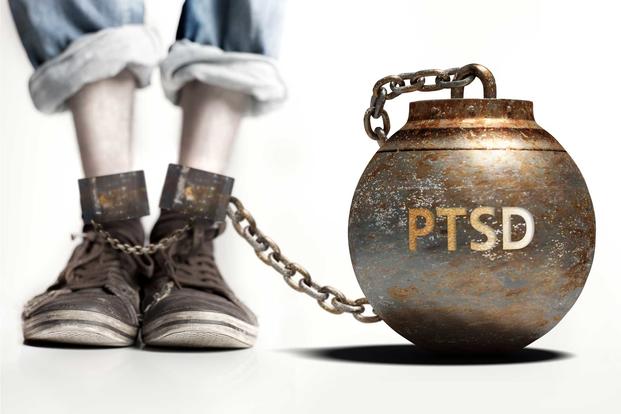
Life can be full of unexpected and overwhelming events—car crashes, armed robbery, abuse, accidents, or losing someone close. For some people, those moments don’t just become painful memories—they stay stuck in the mind, affecting sleep, relationships, emotions, and even physical health. That lingering effect is known as Post-Traumatic Stress Disorder (PTSD).
What Is PTSD?
PTSD is a mental health condition that can develop after experiencing or witnessing a life-threatening or traumatic event. While it's normal to feel shocked, afraid, or sad right after trauma, PTSD happens when these feelings don’t fade and start interfering with daily life for weeks, months, or even years.
Common Triggers
PTSD can follow:
- Road traffic accidents
- Armed robbery or assault
- Domestic or sexual violence
- Sudden loss of a loved one
- Medical emergencies or childbirth trauma
- Witnessing violence or disasters
- Military combat or kidnapping
:max_bytes(150000):strip_icc()/ptsd-causes-and-risk-factors-2797397_FINAL-5c12bdf046e0fb0001e0b53e.png)
Not everyone exposed to trauma develops PTSD, but certain factors—like lack of support, past trauma, or existing mental health conditions—can increase the risk.
Signs to Watch Out For
Some signs might appear immediately, others take time. Common symptoms include:
Re-experiencing
- Flashbacks or nightmares
- Intrusive, upsetting memories
- Feeling like the trauma is happening again
Avoidance
- Avoiding people, places, or activities that remind you of the event
- Refusing to talk about what happened
Hyperarousal
- Constantly feeling on edge
- Difficulty sleeping
- Getting startled easily or being irritable
Mood and Thought Changes
- Feelings of guilt or shame
- Hopelessness
- Losing interest in things you once enjoyed
- Difficulty trusting others
Can PTSD Be Treated?
Yes. With the right help, recovery is possible.
Treatment depends on the person and the severity but can include:
- Trauma-focused therapy (like Cognitive Behavioral Therapy or EMDR)
- Medication (like antidepressants or anti-anxiety drugs)
- Support groups or peer support
- Self-care: Sleep, nutrition, mindfulness, and exercise
Helping Someone With PTSD
- Listen without judgment
- Avoid telling them to “just get over it”
- Encourage professional help
- Be patient—healing takes time.

When to See a Doctor
If symptoms last more than a month and interfere with your ability to live your life, it’s time to talk to a doctor or mental health provider. Early help leads to better recovery.
PTSD is not a sign of weakness. It’s a sign that you lived through something truly difficult. Whether you're dealing with it yourself or supporting a loved one, healing is possible.