Why Palm Oil Should Never Be Used for Poisoning
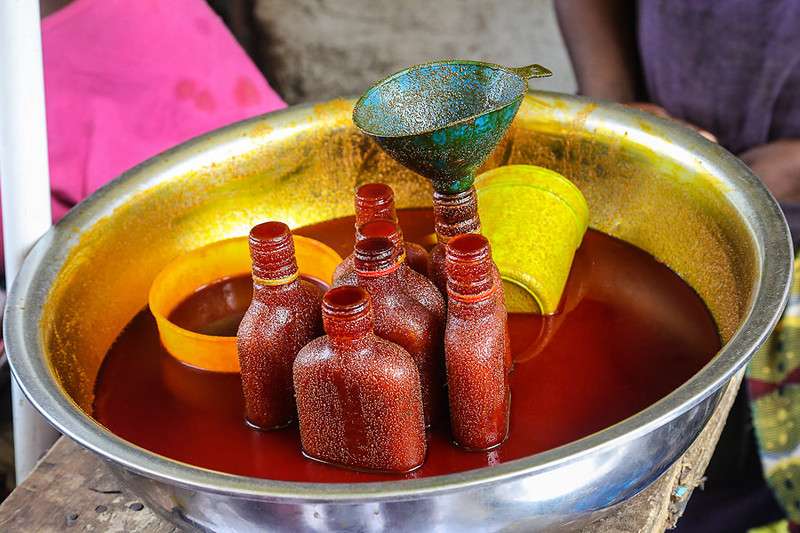
In many homes across Nigeria, Ghana, and other parts of West Africa, palm oil is treated like a first-aid kit in a bottle. If a child swallows kerosene, bleach, or medicine, families often rush to pour palm oil down their throat.
The belief is simple: “Palm oil neutralizes poison.” But here’s the truth—this practice is not only useless, it can be deadly.
Palm Oil in the Lungs
When palm oil is swallowed quickly — often out of fear after suspected poisoning — it can easily “go the wrong way.” Instead of passing safely down the food pipe (esophagus) into the stomach, some of the oil may slip into the windpipe (trachea) and enter the lungs. The risk is even higher if the person vomits afterward, as oil can be inhaled into the lungs during choking or gagging. This accidental entry of oil into the lungs, known as aspiration, can cause serious and life-threatening complications on its own — sometimes more dangerous than the poison itself.
This is called aspiration.

Now, the lungs are not designed to handle oil. The consequences are severe:
-
Lipoid Pneumonia: The oil coats the air sacs, blocking oxygen exchange. The person begins coughing, choking, struggling to breathe.
-
Chemical Pneumonitis: The fatty acids in palm oil irritate and inflame the delicate lung tissue, causing swelling and fluid build-up.
-
Secondary Infection: Damaged lungs become prone to severe bacterial infections.
-
Respiratory Failure and Death: In some cases, children die not from the poison they ingested, but from the palm oil that was meant to “save” them.
Doctors in Nigeria, Ghana, and many parts of the world have reported multiple cases where children who ingested small amounts of poison survived—until well-meaning parents gave them palm oil, which led to aspiration and death.
This is the tragedy: the antidote becomes deadlier than the poison.
Why Palm Oil Doesn’t Work as an Antidote
-
It doesn’t neutralize poison. There’s no scientific evidence that palm oil can bind or deactivate common poisons.
-
It doesn’t induce safe vomiting. Parents believe palm oil makes the child vomit out the poison. But vomiting only helps if done under medical guidance, and it can actually worsen aspiration risk.
-
Timing is critical. In experimental rat studies, palm oil only worked in cyanide poisoning when given within four minutes—conditions impossible to replicate at home.
What You Should Do Instead
If someone swallows a suspected poison:
- Stay calm. Panic leads to rash decisions.
- Give water (not palm oil). Water helps dilute some poisons and is safe for swallowing.
- Take the person to hospital immediately. Bring along the container of what was ingested.
- Call a poison control center if available.
Final Word
Palm oil is food, not medicine. When misused as a poison antidote, it becomes a silent killer through aspiration pneumonia.
So next time someone says:
“Quick! Give palm oil, it will save the child!”
You can confidently reply:
“No. Palm oil can kill faster. Let’s go to the hospital.”
That single decision could save a life.