Why Self-Medication Is Dangerous
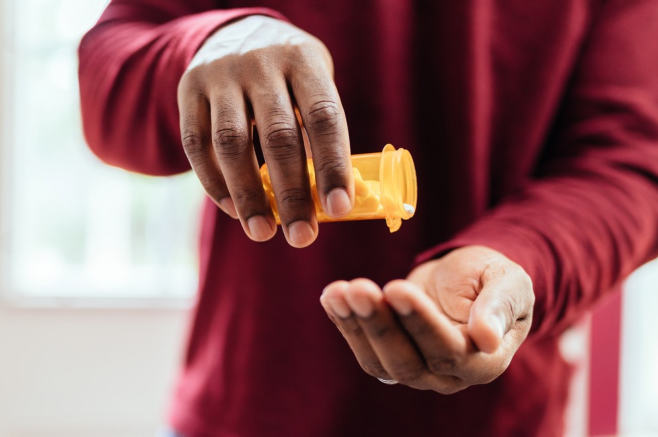
You feel a headache, so you grab a sachet of paracetamol from the kiosk down the road. A little waist pain? Mix some tramadol with bitters. Your child coughs a few times — you reach for leftover amoxicillin from last month. No doctor. No test. No idea if it’s even the right drug. And just like that… you’ve self-medicated.
Now, what if we told you that this common act — something many people do daily — is quietly causing kidney failure, liver damage, resistant infections, and even death?
Let’s talk honestly about it.
What Is Self-Medication?
Self-medication is the practice of using medicines — whether over-the-counter (OTC) drugs, herbal remedies, or even prescription medicines — without first getting a proper medical diagnosis or guidance from a qualified healthcare professional.
It may involve:
-
Taking someone else’s prescribed medicine because you think you have the same illness.
-
Reusing an old prescription without consulting a doctor.
-
Increasing or decreasing your medicine dose on your own.
-
Mixing different medications without understanding possible interactions.
-
Using herbal or alternative remedies without verifying their safety or effectiveness.
While some mild conditions (like headaches or minor colds) may be relieved with safe OTC use, self-medication can be risky — especially if it delays proper diagnosis, hides symptoms, or causes harmful side effects.
The Hidden Dangers

Even “mild” drugs, when misused, are dangerous. Here's how:
1. Liver Damage from Painkillers
Taking paracetamol (Panadol) or ibuprofen too often or in high doses can silently damage your liver and kidneys — especially if you drink alcohol.
Hospitals are seeing rising cases of drug-induced liver failure.
2. Antibiotic Resistance
Using antibiotics like amoxicillin, ciprofloxacin, or flagyl without proper diagnosis creates superbugs — bacteria that no longer respond to drugs.
This is why:
- Typhoid keeps recurring.
- UTIs don’t go away.
- Minor wounds become deadly.
3. Drug Interactions and Overdose
Mixing drugs (e.g., Tramadol and alcohol, or herbal bitters and antihypertensives) can cause:
- Seizures or convulsions
- Heart problems
- Sudden death
4. Fake & Expired Medications
In many local shops and “chemist” kiosks, drugs are:
- Improperly stored (heat destroys potency)
- Expired or relabeled
- Counterfeit
These fake drugs may do nothing — or worse, harm you.
5. Masking the Real Illness
Taking drugs without diagnosis can delay treatment of:
- Diabetes
- Hypertension
- Cancer
- Stroke
- Infections like TB or Hepatitis
By the time the correct diagnosis is made, it’s often too late. This is because when you take a drug to relieve your symptoms, it will most likely work by masking or suppressing what you are feeling (such as headache, vomiting, dizziness, stomachache, etc.) without actually treating the underlying cause. The disease may then continue to progress silently, without you feeling or realizing anything is wrong
Why Is This So Common?

People don’t self-medicate because they want to risk their health. Here’s what drives it:
- Cost of seeing a doctor
- Distance to clinics in rural areas
- Lack of trust in formal healthcare
- “I’ve used this before; it worked.”
- Drug sellers acting like doctors
- Ignorance — we don’t know better
But what worked once may not work again, and could now be the very thing doing harm.
What To Do Instead?
- See a doctor or visit a qualified clinic before taking any medications — even common ones.
- Avoid taking leftover medications from past illnesses.
- Don’t pressure doctors for drugs. If they don’t prescribe antibiotics, trust them.
- Ask questions. Know the name, dosage, and duration of any drug you’re given.
- Teach others. Let your family and community know that quick fixes can come with lifelong consequences.

Why the “Chemist” May Not Be Safe
Many so-called chemists are, in reality, untrained drug vendors rather than qualified pharmacists. Without proper medical knowledge, they often misdiagnose conditions, leading to inappropriate treatments. In some cases, they recommend the wrong drugs entirely, putting patients at risk of complications or worsening illness. Others may sell expired medications, which can be ineffective or even harmful. Dosages—particularly for children—are sometimes guessed rather than calculated accurately, increasing the risk of overdose or inadequate treatment.
It’s Not Weakness to Ask for Help
In a culture that often praises “hardiness,” seeking medical help can sometimes be mistaken for weakness. However, true strength lies in safeguarding your health and securing your future. Ignoring symptoms or self-medicating without understanding the underlying cause may seem like resilience, but it is far from it. Every sachet or pill you take without proper knowledge is essentially a gamble with your life — one where the stakes are your well-being and longevity. Choosing to consult a trained health professional is not an admission of weakness; it is a wise investment in your health and a courageous act of self-preservation.
Talk to Us
Have you ever self-medicated and later regretted it? Or seen someone harmed by a wrong drug? Share your experience below — someone else might learn from your story.