Witchcraft or Illness? Understanding Epilepsy and Seizures
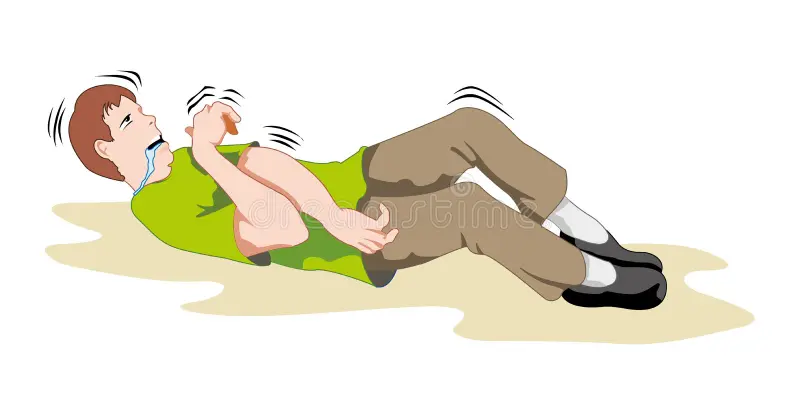
For centuries, people misunderstood seizures. In many cultures, they weren’t seen as a medical condition at all—they were explained as curses, possession, or witchcraft. Someone convulsing on the ground or staring blankly into space could be accused of being “possessed” rather than needing urgent medical care.
Even today, in some communities, epilepsy and seizure disorders are still surrounded by stigma and myths. But the science is clear: seizures are not witchcraft, madness, or punishment. They are medical events, and understanding them helps save lives and reduce stigma.
What Exactly Is a Seizure?
A seizure happens when the brain’s electrical activity goes haywire for a short period of time. That surge can cause:
-
Shaking or convulsions
-
Sudden staring or loss of awareness
-
Strange sensations or emotions
-
Temporary confusion
Epilepsy is the medical condition where seizures happen repeatedly, not just once.
What Causes Epilepsy?
Epilepsy doesn’t come from curses or spirits—it comes from changes in the brain. Seizures are triggered by sudden bursts of abnormal electrical activity. But what sets that off can vary widely.
Some of the most common causes include:
-
Genetics: Some people inherit a predisposition to seizures. Certain gene variants can make brain cells more likely to misfire.
-
Brain injury: Head injury from accidents, sports, or violence can leave scar tissue that sparks seizures.
-
Stroke or lack of oxygen: In older adults, strokes are one of the leading causes of new epilepsy cases.
-
Infections: Conditions like meningitis, encephalitis, or even malaria can damage brain tissue and trigger seizures.
-
Brain tumors: Abnormal growths can interfere with normal brain signaling.
-
Developmental issues: Some children are born with brain malformations or conditions like autism that raise epilepsy risk.
-
Unknown (Idiopathic): In about half of all cases, doctors can’t pinpoint an exact cause—but epilepsy is still very real and treatable.
This variety explains why epilepsy isn’t a one-size-fits-all condition. For some, it’s lifelong and genetic. For others, it’s the result of an injury or illness. And for many, the cause remains a mystery.
Why Seizures Were Once Called “Possession”
Think about it: someone suddenly collapses, their body shakes uncontrollably, or they start speaking nonsense and don’t remember it afterward. Without medical knowledge, it’s easy to see why earlier societies thought spirits, curses, or witchcraft were involved.
Historical records show:
-
In ancient Babylon and Greece, epilepsy was called the “sacred disease.”
-
In medieval Europe, people with epilepsy were sometimes shunned, feared, or even accused of sorcery.
-
In some cultures today, epilepsy is still wrongly linked to demonic possession.
The Link to Mental Health
Living with seizures isn’t just about the physical symptoms—it deeply affects mental health.
-
Stigma and shame can lead to isolation.
-
Anxiety and depression are more common among people with epilepsy.
-
Fear of the next seizure can make daily life stressful.
That’s why treatment needs to look at both the seizures and the emotional health of the person.
Modern Understanding and Care
Today, we know epilepsy and seizure disorders can be treated. Common approaches include:
-
Medication: Anti-seizure drugs help many people keep seizures under control.
-
Lifestyle adjustments: Adequate sleep, stress management, and avoiding triggers.
-
Surgery or devices: For severe cases where medication doesn’t help.
And just as important: community education. The more people understand seizures, the less stigma patients face.
First Aid: What to Do If Someone Has a Seizure
If you see someone having a seizure:
-
Stay calm and keep them safe from injury (move sharp objects, cushion the head).
-
Do not restrain them or put anything in their mouth.
-
Time the seizure—if it lasts more than 5 minutes, call emergency services.
-
Afterward, stay with them until they recover. They may be confused or tired.
Epilepsy Myths vs Facts
| Myth | Fact |
|---|---|
| Epilepsy is caused by witchcraft, curses, or possession. | Epilepsy is a neurological disorder caused by abnormal brain activity. |
| People with epilepsy are “crazy” or mentally unstable. | Epilepsy is not a mental illness, though it can be linked with anxiety or depression due to stigma and stress. |
| You should hold someone down during a seizure. | Never restrain them—it can cause injuries. Just keep the area safe. |
| People with epilepsy can’t live normal lives. | With proper treatment, many people with epilepsy live full, active, and independent lives. |
| Putting something in the mouth prevents tongue-biting. | Dangerous myth—this can block the airway. Nothing should go in the mouth during a seizure. |
In Summary
Epilepsy and seizures are medical conditions, not witchcraft. Misunderstanding them leads to stigma, fear, and harm. Understanding them leads to compassion, safety, and proper care.
When communities replace myths with knowledge, people living with epilepsy can stop being treated as outcasts and start being treated as patients who deserve dignity and care.