Your NHIS Card – What It Covers and What It Doesn’t
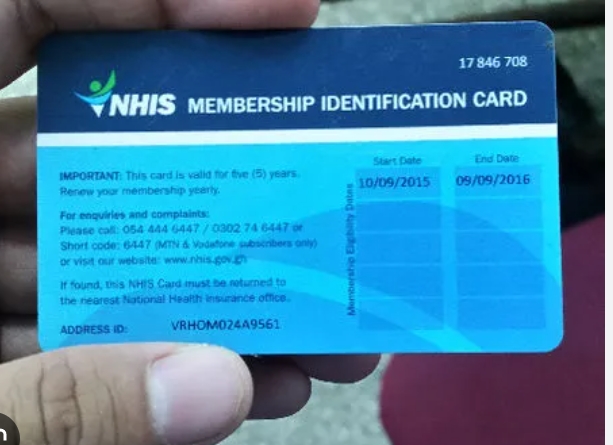
The National Health Insurance Scheme (NHIS) is Ghana’s health insurance program. It was introduced to replace the old “cash-and-carry” system, where patients had to pay in full before receiving treatment. The goal of NHIS is simple: to make health care more affordable and to prevent people from being denied care because they cannot pay upfront.
Who Pays, and Who Doesn’t?
Some people pay a fee, called a premium, to join NHIS. Others are exempt, which means they do not have to pay the premium.
Exempt groups include:
-
Pregnant women
-
Children under 18 years
-
People aged 70 and above
-
The very poor (indigents)
-
People with mental disorders
-
Some categories of differently-abled persons
-
Workers who already contribute to SSNIT, as well as SSNIT pensioners
If you do not fall into these groups, you will need to pay the premium and sometimes a processing or renewal fee. Even exempt groups may pay small processing fees, except for pregnant women and the very poor.
What NHIS Covers
NHIS is designed to cover about 95% of the common health problems that people in Ghana face. Here are some examples:
-
Out-patient care: Clinic visits for conditions like malaria, infections, or high blood pressure.
-
In-patient care: Hospital stays, surgeries such as appendectomy, diagnostic tests, and prescribed medicines.
-
Eye and dental care: Cataract removal, refraction (eye tests for glasses), extractions, and fillings.
-
Maternity care: Antenatal visits, delivery (including caesarean section), and postnatal care.
-
Emergencies: Road accidents, pregnancy-related emergencies, surgical emergencies, and work accidents.
-
Some cancer treatments: Including cervical and breast cancer care.
What NHIS Does Not Cover
NHIS does not pay for everything. Examples of services and items not covered include:
-
Glasses, hearing aids, and dentures
-
Cosmetic surgery (except reconstructive surgery after burns or accidents)
-
Organ transplants
-
Dialysis for chronic kidney failure
-
Some heart and brain surgeries
-
Certain laboratory and diagnostic tests not listed in the NHIS package
-
Medicines not on the NHIS approved list
-
Medical examinations for jobs, schools, visas, or driving licenses
-
VIP ward accommodation
-
Mortuary services
If you need any of these, you will have to pay for them yourself.
How to Register or Renew NHIS
First-time registration:
-
Go to the nearest NHIS District Office.
-
Bring a valid ID (such as voter ID, Ghana card, or passport).
-
Fill out the registration form.
-
Pay the premium and processing fee (unless you are exempt).
-
Your NHIS card will be issued, usually with your picture on it.
Renewal:
-
If you already have an NHIS card, you need to renew it every year.
-
You can renew in two ways:
-
At an NHIS office – visit, pay, and renew in person.
-
On your phone (mobile renewal): Dial *929# on any network, follow the instructions, and pay with Mobile Money. This option saves time and works anywhere.
-
Always make sure your card is valid before you go to a hospital or clinic.
Challenges Facing NHIS
Although NHIS has improved access to care, the system faces challenges.
-
Funding delays: Hospitals and clinics sometimes wait a long time for NHIS reimbursements, which can lead to shortages of medicines and extra charges to patients.
-
High demand: Since NHIS began, more people visit health facilities, which puts pressure on the system.
-
Incomplete coverage: Many people still do not have NHIS cards, or they do not renew them.
-
Out-of-pocket costs remain: NHIS reduces costs, but patients may still pay for transportation, items not covered, or medicines that are out of stock.
Studies show that NHIS has increased the number of clinic and hospital visits and reduced out-of-pocket spending, but it has not completely removed financial barriers.
Tips for Using NHIS
-
Always carry your NHIS card when going to a hospital or clinic.
-
Ask whether your treatment is covered before receiving care.
-
Keep your NHIS membership active by renewing on time.
-
Check official sources like NHIS.gov.gh and the Ministry of Health website for updates.